What are the nutritional benefits of okra? A complete guide
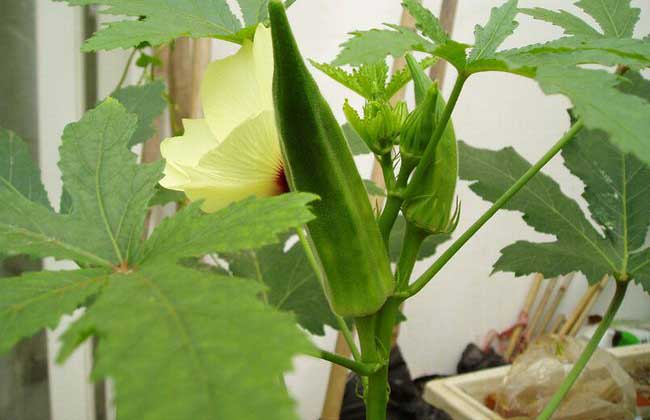
The tender pods of okra are tender and smooth in texture, with a unique flavor and high nutritional value, comparable to ginseng yet more suitable than ginseng for everyday dietary supplementation. They can be stir-fried, boiled, served cold, canned, made into soup, or quick-frozen for processing. The young pods also contain a viscous substance that aids digestion, helps treat gastritis and gastric ulcers, protects the liver, and boosts physical endurance. The tender leaves are also edible. The flowers, seeds, and roots have therapeutic effects on malignant sores and carbuncles, and possess a certain anti-cancer effect. The seeds contain relatively high amounts of minerals such as potassium, calcium, iron, zinc, and manganese, and can be used to extract oil and protein or as a coffee substitute.
The nutritional value of okra
Nutritional composition table per 100 grams of tender okra pods:
Nutrient content Nutrient content Nutrient content Moisture 86.2 g Energy 37 kcal Protein 2 g Fat 0.1 g Carbohydrates 11 g Dietary fiber 3.9 g Cholesterol 0 mg Ash 0.7 g Vitamin A 52 mg Carotene 310 mg Retinol 0 mg Thiamine 0.05 mcg Riboflavin 0.09 mg Niacin 1 mg Vitamin C 4 mg Vitamin E (T) 1.03 mg Calcium 45 mg Phosphorus 65 mg Potassium 95 mg Sodium 3.9 mg Magnesium 29 mg Iron 0.1 mg Zinc 0.23 mg Selenium 0.51 mcgThe culinary value of okra
Okra can be prepared in many ways: served cold, stir-fried, deep-fried, or made into soup. The main methods of use are as follows:
1. Cold salad: Gently cut off the stem end, place in boiling water for 2 to 3 minutes, remove, rinse quickly with cold water, cut into fine strips, and dress with various seasonings.
2. Stir-fry: Remove the stem end, blanch in boiling water for about 30 seconds, remove and drain, then cut into slices 1 cm thick and set aside. Take lean pork, slice it, and stir-fry quickly in hot oil, then add the okra slices, stir-fry over high heat, add seasonings, and transfer to a plate.
3. Deep-fry: Take an appropriate amount of flour, add 1 egg, and mix with water into a batter, adding suitable seasonings. Coat the stemmed okra in the batter, deep-fry in oil until creamy yellow, remove and plate, and serve with dipping sauce.
4. Soup: Divided into flower soup (which is further divided into fresh flower soup and dried flower soup), tender pod soup, and root soup. These can be made into quick soups with fresh meat or eggs, while the dried flowers and roots can respectively be used to make slow-simmered soups.