What are the benefits and effects of okra? A complete guide in one article
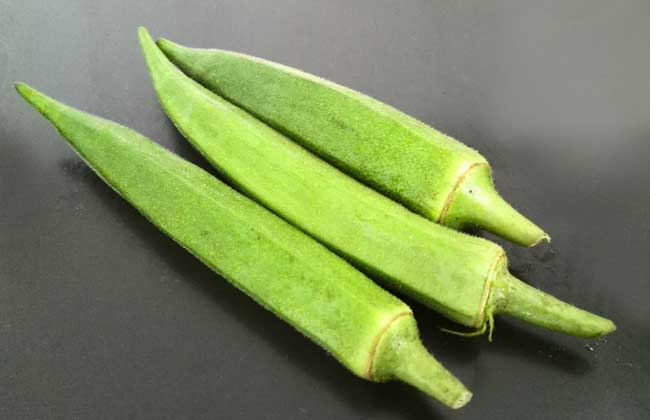
Okra is also known as golden okra, yellow okra, goat's horn bean, coffee okra, hairy eggplant, yellow hollyhock, foreign chili, and more. The edible part is the seed pod, which has a crisp, tender, and juicy texture, smooth but not greasy, with a unique aroma and extremely rich nutritional value. It has various edible benefits such as lowering blood sugar, preventing cancer, and treating constipation. Let us now take a look at the benefits and effects of okra together!
The nutritional composition of okra
The nutritional content per 100 grams of okra is 307.00 kcal of calories, 76.60 grams of carbohydrates, 0.40 grams of fat, 7.60 grams of protein, 8.30 grams of fiber, 2818.00 micrograms of vitamin A, 846.00 milligrams of vitamin C, 6.05 milligrams of vitamin E, 16910.00 micrograms of carotene, 0.23 milligrams of thiamine, 0.18 milligrams of riboflavin, 4.00 milligrams of niacin, 145.00 milligrams of magnesium, 130.00 milligrams of calcium, 7.40 milligrams of iron, 1.65 milligrams of zinc, 1.17 milligrams of copper, 0.84 milligrams of manganese, 1443.00 milligrams of potassium, 106.00 milligrams of phosphorus, 26.00 milligrams of sodium, and 3.01 micrograms of selenium.
The nutritional value of okra
1. Tender okra pods are rich in pectin and dietary fiber. The viscous state of its pectin is very rare in the plant kingdom, and both its proportion of dietary fiber and the proportion of soluble dietary fiber within it are very high among plants.
2. Tender okra pods are rich in vitamin A, carotene, as well as vitamin C, E, and others. In particular, their content of vitamin A and carotene ranks first among the animals and plants discovered so far.
3. Tender okra pods also contain various trace elements such as selenium, calcium, iron, phosphorus, and potassium, but the content is not especially rich.
The benefits and effects of okra
[Nature and flavor] Bitter in taste, cold in nature.
[Meridian entry] Kidney, stomach, and bladder meridians.
[Effects] Reinforces yang, tonifies the kidney, promotes qi flow, clears heat, and drains dampness. Suitable for conditions such as gastritis, cancer, gastric ulcers, anemia, and indigestion.
1. Aids digestion: The viscous substances in yellow okra can promote gastrointestinal motility and are beneficial for aiding digestion, benefiting the stomach and intestines, and improving hypoxia tolerance.
2. Protects the liver: The pectin and polysaccharides in yellow okra have liver-protective effects.
3. Prevents colon cancer: The viscous substances in yellow okra contain 50% fiber, which helps prevent colon cancer.
4. Calcium supplementation and weight loss: Yellow okra not only contains an amount of calcium comparable to fresh milk, but its calcium absorption rate is 50-60%, which is 1 times higher than milk, making it an ideal calcium source. At the same time, yellow okra is a low-energy food and is a very good food for weight loss.
5. Anti-fatigue: Yellow okra is also called goat's horn bean, and Americans call it the “plant Viagra”, which shows its kidney-tonifying effects. For young and middle-aged adults and athletes, regular consumption of yellow okra can eliminate fatigue and quickly restore physical strength. Of course, this effect also applies to all groups of people.
How to eat okra
1. Cold dressed okra
[Ingredients] 250 grams of yellow okra, 2 grams of salt, 2 grams of chicken essence, 3 slices of ginger, half a head of garlic, 5 grams of light soy sauce, 5 grams of fragrant vinegar, 3 grams of sesame oil, 2 chilies, 3 grams of white sugar, and an appropriate amount of water.
[Method] 1. Wash the yellow okra, remove the heads and tails, and cut open lengthwise. 2. Bring water to a boil, add a little salt and oil, put in the okra and blanch until cooked; once the water boils, it is ready. 3. Remove immediately and place into ice water to cool and chill. 4. Mince the garlic and ginger, finely dice the chilies, and put them together with all the seasonings such as white sugar into the cooled okra, then mix well. 5. Refrigerate for a moment before eating for an even more delicious taste.
[Tips] 1. Adding salt and oil during blanching can make the color better. 2. Cooling is to maintain a crisp texture and also to preserve the bright green surface.
2. Stir-fried yellow okra with tomato
[Ingredients] 6 yellow okra pods, 1 tomato.
[Method] 1. Wash the yellow okra and tomato, and slice them for later use. 2. Put an appropriate amount of cooking oil into the pan and turn on medium heat. 3. When the pan is hot, pour in the tomato and stir-fry. After the tomato juice comes out, finally pour in the yellow okra and stir-fry. 4. Add an appropriate amount of salt and yellow wine and continue stir-frying. 5. After the dish is cooked, add an appropriate amount of MSG and mix well.
3. Stir-fried okra with eggs
[Ingredients] 3 yellow okra pods, 2 eggs.
[Method] 1. Wash the yellow okra and slice it for later use, and beat the eggs for later use. 2. Put an appropriate amount of cooking oil into the pan and turn on medium heat. 3. After the pan is hot, pour in the yellow okra slices and stir-fry, then add the beaten eggs and stir-fry. 4. Add an appropriate amount of salt, yellow wine, MSG, and pepper, and mix well; once the dish and eggs are cooked, it is ready.
4. Tofu mixed with okra
[Ingredients] 300 grams of okra, 1 block of tofu, 1 spoon of salt, 1/2 small spoon of vegetarian seasoning.
[Method] 1. Blanch the okra until cooked, drain, and cut into star shapes. 2. In a mortar, grind the tofu and seasonings evenly, then add the okra and mix well.