What are the nutritional benefits of ginkgo nuts? A complete guide in one article
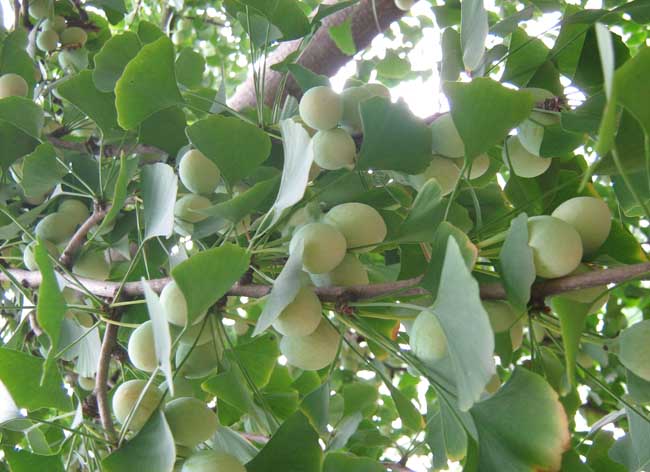
The ginkgo nut tree, also called the ginkgo tree, is a tall deciduous tree of the genus Ginkgo in the family Ginkgoaceae. The fruit of the ginkgo nut tree is the ginkgo nut. The ginkgo nut tree is a species native to China and is known as a living fossil on Earth. Let's take a look at the nutritional benefits of ginkgo nuts!
The nutritional value of ginkgo nuts
The roots, bark, leaves and fruit of the ginkgo nut tree all have medicinal value. The kernel of the ginkgo nut contains 62% starch, 11% crude protein, 3% crude fat and 5% sucrose, and also contains minerals such as calcium, potassium, phosphorus and selenium, trace elements and various vitamins and other bioactive substances.
Traditional Chinese medicine holds that ginkgo nuts are sweet and bitter in nature and flavor, slightly toxic, and have functions such as astringing lung qi, calming phlegm and asthma, stopping abnormal vaginal discharge, stopping diarrhea, detoxifying sores and resisting aging.
Ginkgo leaves have the effect of dilating blood vessels, promoting microvascular circulation and anticoagulation, so ginkgo leaves have a certain therapeutic effect on coronary heart disease, angina pectoris and cerebrovascular disease.
According to analysis and determination by German scientists, ginkgo leaves contain more than 160 effective components, among which there are as many as 36 kinds of flavonoid bioactive substances. Due to the overall functional effect of these components, they can produce a good therapeutic effect on the human body. China has not only researched and developed many ginkgo leaf health products, but also exports large quantities of ginkgo leaves. At present, in Western countries the amount of ginkgo leaves used ranks first among all herbal medicines.
Ginkgo also has a beauty function, because ginkgo contains essential amino acids for the human body, which are raw materials for synthesizing collagen. Collagen can make the skin glowing and elastic, so many cosmetics on the market are related to ginkgo.
How to eat ginkgo nuts
The edible part of the ginkgo nut is the kernel. There are many ways to eat it. The simplest way is roasted ginkgo nuts, which originated in Shanghai. Wash the ginkgo nuts and stir-fry them in a pan with the shells on, or wrap the ginkgo nuts in a paper bag and heat them in a microwave. Once the ginkgo nuts make a cracking sound, they are ready to eat.
There are many ways to prepare cooked ginkgo nuts, including stir-frying, steaming, stewing and braising. Ginkgo nuts can be paired with pork, beef, mutton and poultry eggs. Before cooking, the meat can first be cooked until half done, then add ginkgo nuts that have been boiled in clear water and had their skins removed, and cook everything together. This can prevent the ginkgo nuts from becoming too mushy.
How to eat ginkgo nuts safely
Ginkgo nuts contain substances such as ginkgolic acid and ginkgol, and are somewhat toxic. These are mainly distributed in the green embryo and seed coat. The usual toxic dose is 10-50 nuts, and poisoning symptoms such as vomiting and dizziness occur 1-12 hours after eating. Therefore, the following points should be noted when eating ginkgo nuts:
1. Never eat them raw. When the toxins in ginkgo nuts are exposed to heat, their toxicity weakens, so ginkgo nuts must be thoroughly cooked before eating.
2. Children should best not eat them or eat only a small amount. The younger the age, the more prone to poisoning. Infants must not eat them. Children aged 3-5 should not eat more than 5 nuts, and about 10 nuts is suitable for adults.
3. Remove the skin and embryo before eating. The toxins in ginkgo nuts are mainly concentrated in the embryo and seed coat, which must be removed before eating. Sprouted ginkgo nuts must not be eaten.
4. Do not eat them together with aspirin or anticoagulant drugs. Ginkgo nuts have an anticoagulant effect. Taking them with these similar drugs may cause continuous bleeding and worsen the condition.
5. People with the following conditions should not eat them or should eat them with caution. Patients after surgery, pregnant women and women during their menstrual period should avoid taking ginkgo leaf preparations. In addition, people with weak constitutions should also not take them.