What are the benefits and effects of ginkgo leaves
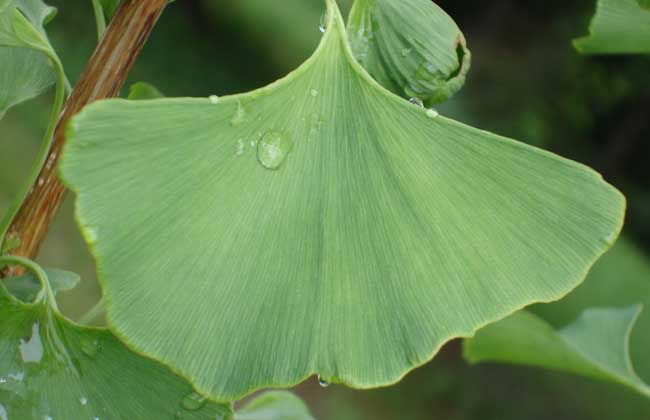
Ginkgo leaves are the dried leaves of the ginkgo plant of the Ginkgoaceae family, harvested in autumn while the leaves are still green and dried promptly. They have the effects of promoting blood circulation and removing blood stasis, unblocking collaterals and relieving pain, astringing the lungs and calming asthma, and resolving turbidity and lowering lipids. They have therapeutic effects on blood stasis obstructing collaterals, chest impediment and heart pain, stroke and hemiplegia, lung deficiency with cough and asthma, hyperlipidemia, and more. Let us take a look at the benefits and effects of ginkgo leaves below!
Nutritional value of ginkgo leaves
Ginkgo leaves contain two types of antioxidants (nutritional antioxidants and non-nutritional antioxidants). The nutritional antioxidants mainly include carotene, VC, VE, selenium, zinc, copper, and more, while the non-nutritional antioxidants mainly include ginkgo flavonoids, terpene lactones, catechins, polyphenols, and more, which play a very important role in protecting the body from oxidative damage caused by free radicals. Therefore, ginkgo leaves combine nutrition, health care, and therapeutic functions in one. Developing and utilizing ginkgo leaves as a resource with high nutritional and health care value is of great significance for improving the comprehensive utilization rate of ginkgo leaves.
Benefits and effects of ginkgo leaves
[Nature and flavor] Sweet, bitter, and astringent in flavor, neutral in nature.
[Meridian entry] Heart and lung meridians.
[Effects] Promoting blood circulation and removing blood stasis, unblocking collaterals and relieving pain, astringing the lungs and calming asthma, and resolving turbidity and lowering lipids. It mainly treats blood stasis obstructing collaterals, chest impediment and heart pain, stroke and hemiplegia, lung deficiency with cough and asthma, hyperlipidemia, and more.
1. It lowers cholesterol levels in human blood and prevents arteriosclerosis, and has a significant improving effect on fatigue after mild activity, rapid heartbeat, chest pain, dizziness, and blurred vision in middle-aged and elderly people.
2. It lowers blood pressure by increasing vascular permeability and elasticity, and has a relatively good blood pressure-lowering effect.
3. It can noticeably relieve symptoms such as menstrual abdominal pain and waist and back soreness, and is used for the treatment of bronchial asthma, also with relatively good efficacy.
4. Ginkgo leaf preparations combined with hypoglycemic drugs have relatively good efficacy in treating diabetes and can be used as an auxiliary drug for diabetes.
5. It removes deposited components on blood vessel walls, improves blood flow dynamics, enhances the deformability of red blood cells, lowers blood viscosity, and makes blood flow smooth. It can prevent and treat cerebral hemorrhage and cerebral infarction, and also has a certain therapeutic effect on senile dementia caused by arteriosclerosis.
6. It lowers lipid peroxidation levels and has the effects of reducing freckles, moisturizing the skin, beautifying the complexion, promoting bowel movements and urination, and detoxifying and eliminating toxins. It also has a noticeable improving effect on menopausal syndrome in women.
Common uses of ginkgo leaves
1. To treat lacquer sore with swelling and itching: decoct ginkgo leaves and honeysuckle stem in water for washing, or decoct ginkgo leaves alone for washing.
2. To treat angina pectoris of coronary heart disease: decoct 15 grams each of ginkgo leaves, trichosanthes fruit, and salvia root, 12 grams of longstamen onion bulb, 9 grams of turmeric root tuber, and 5 grams of raw licorice, and take by decoction.
3. To treat angina pectoris of coronary heart disease: make tablets from 4.5 grams each of ginkgo leaves, fleeceflower root (Polygonum multiflorum), and gambir vine, as a daily amount, and swallow.
4. To treat high serum cholesterol: extract the main component flavonoids from ginkgo leaves and make sugar-coated tablets, each tablet containing 1.14 mg of flavonoids, 4 tablets each time, 3 times daily.
5. To treat diarrhea and dysentery: grind ginkgo leaves into powder, mix with flour to make cakes, roast them thoroughly, and eat.
6. To treat enteritis in children: 3-9 grams of ginkgo leaves, decoct in water and wash the soles, palms, and chest area (around the Juque acupoint) of the affected child; in severe cases, wash the top of the head, twice daily.
7. To treat freckles: gather ginkgo leaves, pound them into a paste, and apply; very effective.
8. To treat onychomycosis: decoct ginkgo leaves in water for washing.
9. To treat corns: 10 fresh ginkgo leaves, pound into a paste, wrap and apply to the affected area; after two days it becomes white and macerated, then use a small knife to pick out the hard core.