Don't Ignore Yellow Leaves on Jasmine: Water It with This Kind of Water and the Leaves Will Turn Glossy Green with More Flower Buds
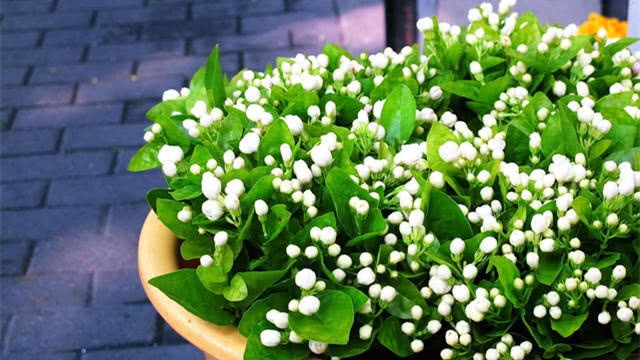
If jasmine leaves turn yellow, you can water it with vinegar, but note that you must use a 150-200 times diluted rice vinegar aqueous solution for watering, and never use ordinary table vinegar directly. Because it prefers slightly acidic soil, if the potting soil is on the alkaline side it will show in the leaves, so choose a 1:100 ferrous sulfate aqueous solution or a 1:150 rice vinegar aqueous solution for watering.
1. Causes
There are many causes of yellowing jasmine leaves: overwatering, overfertilizing, temperatures that are too low, or strong light exposure can all cause this phenomenon. Soil that is on the alkaline side can also cause its leaves to turn yellow. Because jasmine is a plant that prefers slightly acidic soil, if the soil pH is unsuitable, this abnormality will be reflected in the upper part, causing the leaves to turn yellow.
2. Watering Method
If the yellowing is caused by soil pH, you can choose a 1:100 or 1:200 ferrous sulfate aqueous solution for watering; you can also choose to water with vinegar, but note that you should use rice vinegar, a 150-200 times diluted rice vinegar aqueous solution for irrigation. Water once every 15-20 days.
3. Other Causes
Waterlogging: If overwatering causes water to accumulate in the potting soil, promptly prop up the flowerpot and place it in a ventilated spot to drain the water dry.
Overfertilizing: If too much fertilizer has been applied, or it is too concentrated, stop fertilizing for a period, and after it recovers, apply light fertilizer frequently.