Detailed video guide to king oyster mushroom cultivation techniques, helping you master the key growing points
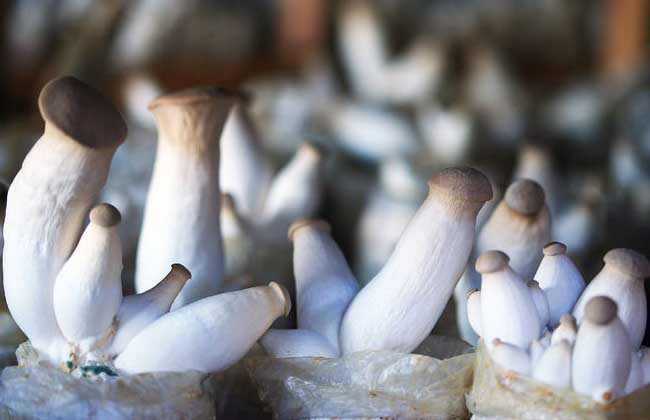
The king oyster mushroom (Pleurotus eryngii) is a special edible fungus of subtropical grasslands. Strains of king oyster mushroom isolated or introduced from different countries, or from different regions and different ecological environments within the same country, have different biological characteristics; in other words, there are many different ecotypes, and special attention should be paid to this during cultivation. Now let us take a look at the king oyster mushroom cultivation technique video together!
Cultivation season for king oyster mushroom
For cultivation under natural conditions, based on the suitable growth temperature of the king oyster mushroom, autumn-winter and winter-spring cultivation are generally preferred. However, in areas where winter temperatures are relatively high, it is better to schedule fruiting for December to February, because temperatures that are too high or too low make it difficult to form primordia and are unfavorable for the growth and development of the fruiting bodies. Therefore, whether in the south or the north, the proper fruiting period should be arranged according to the suitable temperature for fruiting; generally, it is advisable to prepare the cultivation bags 50 days in advance when the temperature drops to 18°C. If conditions permit, cold storage can also be used in summer to lower the temperature for off-season cultivation, which gives relatively high economic returns.
Cultivation methods for king oyster mushroom
Cultivation methods for king oyster mushroom include bottle cultivation, box cultivation, column cultivation and plastic bag cultivation. Some people abroad believe that casing soil cultivation should be carried out on the basis of the above methods, but in fact this is unnecessary; in China, the most convenient and suitable method is plastic bag cultivation.
Making the fungus bags for king oyster mushroom
1. Nutrient formulas: ① 73% mixed hardwood sawdust, 25% wheat bran, 1% lime, 1% gypsum, with a water content of 60%-65%. ② 88% cottonseed hulls, 10% wheat bran, 1% lime, 1% gypsum, with a water content of 60%-65%.
2. Bagging and sterilization: Put the culture material into fungus bags as required (specification 22 cm × 45 cm). After sealing, place them in a sterilization pot for sterilization. First use a fierce fire to raise the temperature in the pot to 100°C and begin timing; after 8-12 hours, let it stand for 4-5 hours, then take the material bags out.
3. Inoculation and culturing: When the material bags have cooled to room temperature, place them in a disinfected inoculation box (room) for inoculation, with an inoculation amount of 5%-10%. Send the inoculated fungus bags to a disinfected culture room for culturing, and the room temperature should be controlled between 20°C and 25°C. After about 30 days, the mycelium can fill the bags, and then they are moved to the fruiting room for fruiting. The culture room should be dark, ventilated and not damp.
4. Bag arrangement and fruiting induction: Build cultivation racks in the fruiting room, and stack the well-cultured fungus bags horizontally and overlapping on the racks or on the ground. When the temperature drops to 10°C-18°C, sprinkle water on the ground to raise the humidity in the mushroom room. The scattered light in the mushroom room should be strong, with bright illumination.
Fruiting management for king oyster mushroom
1. Temperature control: The temperature range for the formation and growth of king oyster mushroom fruiting bodies is narrow, and it is extremely sensitive to temperature. The most suitable fruiting temperature is 15°C-17°C, which should be strictly controlled.
2. Humidity regulation: During the growth period of the fruiting bodies, the humidity in the mushroom room should be lower than during the earlier fruiting induction period, and it is advisable to keep it at around 85%. When maintaining moisture, mainly water the ground, and by no means spray water on the fruiting bodies or the bag openings.
3. Light management: Keep the illumination in the mushroom room bright, with strong scattered light (direct sunlight must not be allowed).
4. Ventilation and air exchange: Open the door (window) about 2-3 times a day, with each ventilation lasting about half an hour.
5. Timely harvesting: From primordium formation to harvest takes about 10 days. Harvest when the fruiting body cap diameter reaches 4 cm-6 cm (when the cap is 80% open). After harvesting, cover the bag opening with paper to seal it, stop spraying water, and after about 5 days, spray water again to raise humidity and induce the growth of the second flush of mushrooms. The yield of king oyster mushroom is mainly concentrated in the first flush, with the weight of each cluster of mushrooms reaching up to 600 grams, and the average yield per bag reaching 500 grams. After the second flush, the fruiting amount decreases.