What are the nutritional benefits of matsutake? A comprehensive analysis of matsutake's nutritional composition
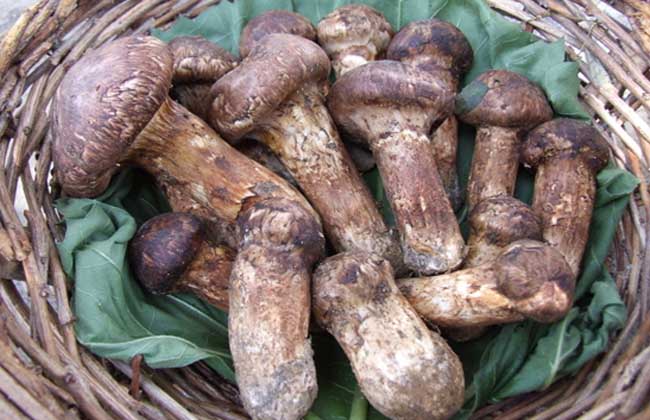
Matsutake, also known as songkouxun, songxun, hejun, taijun and so on, is a purely natural, rare and precious edible fungus, hailed as the "king of mushrooms". Its main nutrients are polysaccharides, polypeptides, amino acids, fungal proteins, minerals, trace elements and alcohols. Let us take a look below at the nutritional value of matsutake!
The nutritional value of matsutake
The main nutrients of matsutake are polysaccharides, polypeptides, amino acids, fungal proteins, minerals, trace elements and alcohols. The fruiting body contains 18 kinds of amino acids, 14 trace elements essential to the human body, 49 kinds of active nutrients, 5 kinds of unsaturated fatty acids, 8 kinds of vitamins, 2 kinds of glycoproteins, abundant dietary fiber and a variety of active enzymes. It also contains 3 kinds of precious active substances, namely double-stranded matsutake polysaccharide, matsutake polypeptide and matsutake alcohol, an anti-cancer substance unique among all plants in the world. It is the most precious natural medicinal fungus in the world.
The effects and functions of matsutake
[Nature and flavor] Mild in taste, warm in nature.
[Meridians entered] Kidney and stomach meridians.
[Effects] Tonifies the kidney and strengthens the body, regulates qi and resolves phlegm. It mainly treats soreness and weakness of the waist and knees, dizziness and blurred vision, cough with damp phlegm, stuffiness and oppression in the chest and diaphragm, nausea and vomiting, and fatigue of the limbs.
1. Anti-cancer: Matsutake has effects such as strengthening the body, benefiting the stomach and intestines, relieving pain, and regulating qi and resolving phlegm. Modern scientific research shows that matsutake also has special effects in treating diabetes and fighting cancer, ranking among the foremost anti-cancer basidiomycetes.
2. Boosting immunity: Matsutake has effects such as enhancing immunity, lowering blood sugar, strengthening the heart, regulating blood pressure, resisting thrombosis and fighting viruses.
3. Anti-tumor: Modern medicine shows that the "polysaccharide" contained in matsutake is a special double-stranded active substance with super-strong anti-gene mutation ability and strong anti-cancer effects.
4. Promoting gastrointestinal function: Matsutake has effects such as strengthening the body, tonifying the kidney and strengthening yang, benefiting the stomach and intestines, regulating qi, resolving phlegm and expelling parasites.
5. Protecting the liver: Matsutake can promote the scavenging of free radicals, inhibit or block lipid peroxidation reactions caused by free radicals, enhance the activity of SOD, CAT and GSH-Px, improve the body's antioxidant capacity, and has the effect of protecting the liver.
How to eat matsutake
1. Matsutake and free-range chicken soup
[Ingredients] 20 grams dried matsutake, 500 grams free-range chicken pieces, ginger slices, cooking wine, salt.
[Method] ① Soak the dried matsutake in warm water, change the water, and wash clean. ② Blanch the chicken pieces in water, then scoop them directly into a clay pot of boiling water, add ginger slices and cooking wine, and after bringing to a boil, turn to medium heat and stew. ③ After one hour, add the soaked matsutake, turn to low heat and continue stewing for one hour, and add an appropriate amount of salt 20 minutes before turning off the heat.
[Effects] Benefits essence and strengthens the kidney, tonifies the stomach and intestines, and is delicious and easy to digest.
2. Matsutake and soft-shelled turtle soup
[Ingredients] 20 grams dried matsutake slices, one soft-shelled turtle (about 500-800 grams), refined salt, scallion sections, garlic slices, ginger slices, monosodium glutamate, pepper powder.
[Method] ① Soak the dried matsutake slices in warm water for 30-60 minutes and wash clean. ② Put the slaughtered, processed and washed soft-shelled turtle into a pot, add ginger slices and an appropriate amount of clean water, bring to a boil over high heat, then move to low heat and simmer for about one and a half hours. Add the matsutake and stew for about another 30 minutes until the turtle shell is tender and the meat is soft. Before removing from the pot, add refined salt, garlic slices, scallion sections, monosodium glutamate and pepper powder, and it is ready.
3. Pan-fried matsutake in butter
[Ingredients] 30 grams himematsutake, 70 grams flour, 10 grams butter, 1 egg yolk, 1 teaspoon salt, 2 teaspoons cooking wine, 2 lettuce leaves, 2 purple cabbage leaves, 2 tablespoons mayonnaise, 1 tablespoon lemon juice, a little cheese powder and chili powder.
[Method] ① Soak the himematsutake in warm water for 30 minutes, wash clean after fully soaking. Cut off the roots and cut the himematsutake in half, then marinate with salt and cooking wine for 5 minutes. ② Wash the lettuce and purple cabbage, shred them and put them in a large bowl, add mayonnaise, squeeze in lemon juice and mix well. ③ Add the egg yolk and water to the flour to make a batter. Melt the butter over hot water, and after it cools slightly, pour it into the batter and stir until the batter is slightly runny, then coat the himematsutake pieces with the batter. ④ Put butter in a flat-bottomed pan, melt it over low heat, then turn to medium heat, and place the himematsutake pieces one by one into the pan and fry until golden brown on both sides. ⑤ Spread the mixed vegetables on the bottom of a plate, arrange the fried himematsutake on top, sprinkle with chili powder and cheese powder, and it is ready to eat.
4. Charcoal-grilled matsutake
[Ingredients] 400 grams steak, 50 grams willow matsutake, 15 grams pear, 10 grams lemon juice, 10 grams salt, 30 grams soy sauce, 15 grams sesame oil, 2 grams pepper, 45 grams spicy barbecue sauce.
[Method] ① Cut the whole thick steak into thin slices. ② Marinate the steak with pear juice, lemon juice, sesame oil and black pepper for about 30 minutes. ③ Wash the matsutake, gently scrape off the outer skin with a knife, and season with salt and soy sauce. ④ Take one slice of steak and spread it out, place one piece of seasoned matsutake in the middle, then roll the steak around the matsutake and brush the surface with barbecue sauce. ⑤ Wrap all the matsutake steak rolls in tin foil and put them into a preheated oven. ⑥ Bake at a high temperature of 180 degrees for 20 minutes, turning once halfway through.