What does Agaricus blazei look like? Complete collection of high-definition pictures
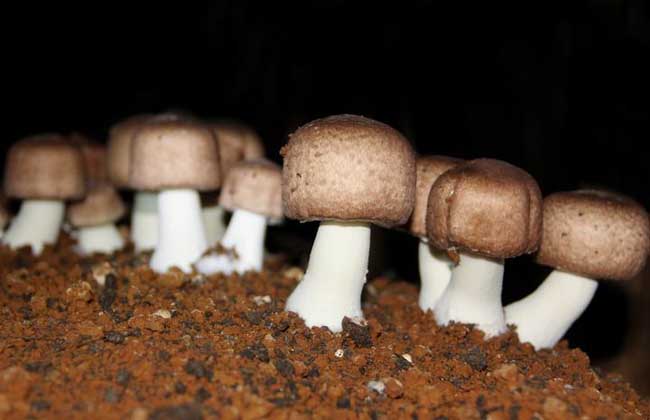
Agaricus blazei, also known as the Brazilian mushroom, P. blazei mushroom, small pine mushroom, etc., is native to Brazil and Peru. It is a saprophytic fungus of the genus Agaricus in the family Agaricaceae that grows in summer and autumn, living in high-temperature, high-humidity, well-ventilated environments. It has an almond aroma and a crisp, tender texture, and became famous for its anti-cancer and immunity-boosting effects.
The fruiting body of Agaricus blazei is stout. The cap is 5-11 cm in diameter, initially hemispherical, gradually becoming bun-shaped and finally flat, with a flat center at the top. The surface has light brown to chestnut fibrous scales, and the cap margin has fragments of the partial veil. The gills are free, the stipe is cylindrical, the spores are broadly elliptical to oval without a germ pore, and the hyphae lack clamp connections.
The cap of Agaricus blazei is tender and the stipe is crisp, with an excellent taste. Its protein composition includes 18 amino acids, with all 8 essential amino acids for the human body, and it also contains a variety of vitamins and ergosterol. The mannan it contains has therapeutic effects on inhibiting tumors, treating anal fistulas, boosting energy, and preventing and treating cardiovascular diseases.
Agaricus blazei is neutral in nature and sweet in taste, entering the heart, lung, liver, and kidney meridians. It has the effects of strengthening the brain, reducing inflammation, tonifying the kidneys, lowering blood sugar, improving diabetes, lowering cholesterol, boosting energy, improving arteriosclerosis, and preventing and treating cardiovascular diseases.