How to store matsutake mushrooms to keep them fresh? Practical storage methods shared
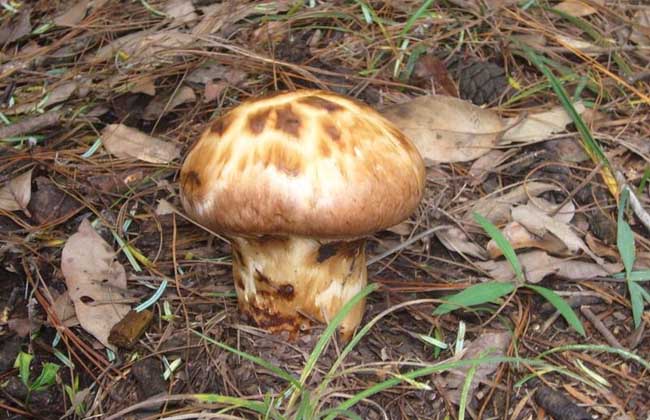
The matsutake mushroom, also known as the pine mushroom, songxun, hejun, taijun and so on, is a rare and precious natural medicinal fungus in the world, hailed as the “king of mushrooms”, and is extremely rich in nutrients. However, fresh matsutake mushrooms generally have a relatively short storage time, only about 2 days at room temperature. Let's take a look below at the storage methods for matsutake mushrooms!
Short-term storage of matsutake mushrooms
1. Wrap and cover the fresh matsutake mushrooms with cabbage leaves, and place them in a cool, damp place. This method can extend the freshness period to about 4 days.
2. Place them in the refrigerator's crisper compartment, where they can be stored for about one week.
Long-term storage of matsutake mushrooms
1. Freeze the fresh matsutake mushrooms in the refrigerator. This method can preserve them for several months. When eating, thaw them with boiling water, because after thawing with boiling water, the matsutake mushrooms will not become mushy.
2. Slice the fresh matsutake mushrooms and dry them in the sun; they can be preserved year-round.
3. Preserve them as salted matsutake mushrooms. The specific method is to put the whole fresh matsutake mushrooms in boiling water and cook for about 5 minutes, drain them, put them in a container, and sprinkle with table salt. The table salt can further draw out the moisture from the matsutake mushrooms. The amount of table salt to use is just enough that the drawn-out solution tastes very salty. When eating, take out the matsutake mushrooms, rinse them several times with clean water, and they are ready for cooking.
Product categories of matsutake mushrooms
1. Fresh products: Fresh products include fresh matsutake mushrooms and ice-fresh matsutake mushrooms. Fresh matsutake mushrooms refer to matsutake mushrooms just harvested, while ice-fresh matsutake mushrooms refer to various fresh matsutake mushrooms that have undergone freshness-preserving processing and freezing treatment. Due to differences in technology and processes, the quality of ice-fresh matsutake mushrooms varies greatly. At present, many matsutake mushrooms on the market are injected with water, dyed, and mixed with large amounts of young and old mushrooms during processing, so the quality is uneven.
2. Dried products: Matsutake mushrooms are sliced and put into drying equipment to be dried, made into packaged products that are convenient to carry and store, and soaked in warm water before eating. The raw materials for dried products are generally not of high grade, and during processing, if the temperature exceeds 100°C, it will destroy part of the active nutrients of the matsutake mushrooms, making it a low-to-mid-end product in the matsutake product chain.
3. Freeze-dried products: Freeze-dried matsutake mushrooms, whose full name is vacuum freeze-dried matsutake mushrooms, are dried matsutake mushrooms produced from fresh matsutake mushrooms at minus 170 degrees using vacuum drying technology, and can preserve most of the nutrients and flavor of fresh mushrooms.
4. Processed products: In recent years, as market demand has increased day by day, the price of matsutake mushrooms has risen year after year, and deep processing has also mushroomed. On the market, products such as salted goods, matsutake instant granules, canned food, soy sauce, and vinegar have emerged. Research on matsutake health wine has made some progress, and matsutake extract has been widely used in food and beverage production.