Gardenias need real effort to bloom; do this and the flowers will fill the pot, big and fragrant
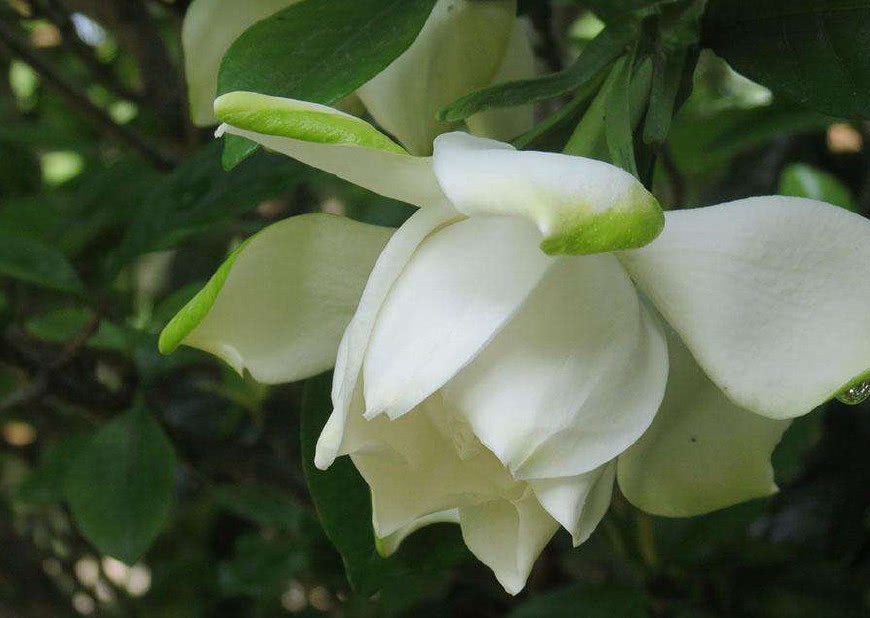
The gardenia is a very popular flowering plant these days. It not only decorates the home, beautifies the environment and adds charm to daily life, but also gives off a light, fresh fragrance that lifts the mood and melts away worries.
To grow gardenias well, they will not bloom without real effort. Do this, and the flowers will fill the pot, big and fragrant, and even the neighbours will be able to smell the scent!
Gardenias love acidic soil, so when caring for them you must keep two bags of ferrous sulfate on hand. You can use it once a month to make the soil acidic, replenish their strength, prevent yellow leaves, and keep the plant lush with leaves and flowers blooming non-stop.
Beginner tip
Since gardenias love acidity, you can often collect rainwater to water the rose. Rainwater is acidic and contains trace elements, which can replenish nutrients for the gardenia, boost its disease resistance and reduce the chance of pests and diseases.
When caring for gardenias, you should not only cut off diseased branches, old branches and tangled branches. After the flowers fade, also promptly cut off the flowering branches. This avoids wasting nutrients and at the same time encourages new buds to sprout, so the plant can bloom a second time.
Beginner tip
After cutting off the flowering branches, replenish nutrients in time. This lets the gardenia recover its growth quickly, so it has spare energy to bloom.
Whether a gardenia can bloom successfully also depends on plenty of light. If it is kept in a dark place for a long time, it will not only fail to bloom, but its leaves will also turn yellow.
Beginner tip
In summer the light is too intense, so be careful to provide shade to prevent strong light from scorching the leaves and causing them to wither and wilt.
When the gardenia is forming buds, apply 2 to 3 rounds of organic fertiliser water, or you can supplement with a quick-acting compound fertiliser. Replenishing nutrients in time promotes full blooming, making the flowers whiter and bigger with an even more fragrant scent.
Beginner tip
In July and August the weather is relatively hot and the temperature is very high, so reduce fertilising, otherwise it will harm the roots and easily lead to root rot.