Moringa Seeds: Benefits, Effects, and How to Grow Moringa from Seed
Where Moringa Grows: Native Range and Distribution
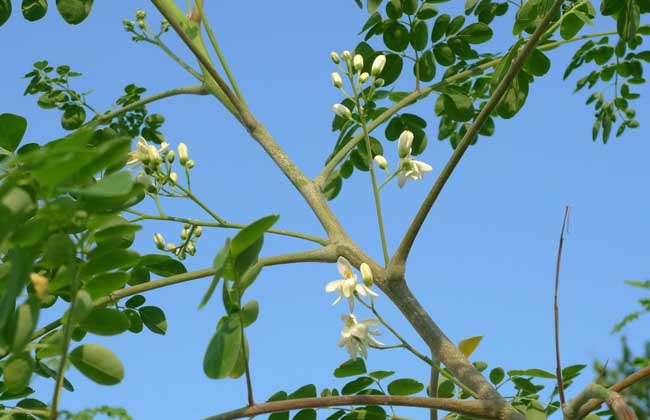
Moringa is native to northern India, and there are about 14 varieties worldwide. It is now widely cultivated in China as well. The varieties most commonly eaten today are three: traditional Indian moringa, improved Indian moringa, and African moringa (originally found only near Lake Turkana in Kenya and in southwestern Ethiopia). Since the moringa tree was confirmed to be a plant rich in high nutritional value, in developed countries such as Europe, the United States and Japan where moringa foods have been developed, it has become a new favorite in the health food world thanks to its high protein, low fat, high fiber and high vitamin content, along with its special health benefits of lowering blood sugar, fighting bacteria and inflammation, and strengthening the heart.
How do you plant moringa seeds?
1. Seedbed preparation: Choose land for the moringa seedbed that is close to the planting site, sheltered from wind, and convenient for water. Remove weeds, stones and other debris, level the land, and build a germination bed about 600×80×40 cm (length, width, height) with red bricks. Then add river sand to a thickness of 20-25 cm. Set up about 40% shade netting above the seedbed for shade; the shade shed should be 1.7 m high, with length and width depending on the actual terrain and scale of the seedbed.
2. Seed treatment: Before sowing moringa seeds, first remove defective seeds, immature seeds and moldy, rotten seeds. Pour the selected seeds into prepared medicinal solution and soak for 15-17 hours before sowing. Fungicides such as carbendazim, Luheng No. 2, or baijunqing at 800-1200 times dilution can be used. When sowing, level the sand bed with a straight wooden stick, press the seeds into the sand by hand at a spacing of about 2 cm, and sow at a depth of 1.5-2 cm, which is ideal; too deep or too shallow will reduce the germination rate. After sowing, water thoroughly, then cover with agricultural plastic film. Seeds from the current year generally sprout in 5-7 days, while seeds from the second and third years sprout 3-5 days later.
3. Bagging and seedling raising: The nutrient soil for moringa seedling bags should be fertile and loose. Prepare it from clean soil, decomposed high-quality organic fertilizer, calcium magnesium phosphate and compound fertilizer in a ratio of 100:25:3:2, mix evenly and set aside. The nutrient bags should be 12×17 cm, and the seedbed should preferably be made as a low bed about 80 cm wide. Fill the bags tightly and fully, and arrange the filled nutrient bags on the seedbed, with the bags pressed close together. About a week after sowing in the sand bed, the seedlings begin to emerge. When the cotyledons have just unfolded, move them into the arranged nutrient bags. Be very careful when moving the bags and do not injure any part of the seedlings. After planting, water thoroughly as soon as possible with 800 times Luheng No. 2 solution or another fungicide.
4. Seedling management: After moringa is transplanted and established, water once every 15 days with a fungicide such as 800 times Luheng No. 2, and always watch for insect pests and spray in good time. Water frequently to keep the soil in the bags moist, but not too much water, to prevent root rot. When the seedlings grow to 5-6 leaves, the shade netting can be removed to harden the seedlings. After about 4 weeks, when the plants reach more than 40 cm in height, they can be planted out in the field at the right time. If planting is too late, the main root of the seedling will penetrate the bag and affect the survival rate.
Moringa Tree Growing Techniques
1. Land preparation and planting: Moringa can be grown either by direct seeding or by raising seedlings and transplanting. With direct seeding, sow the seeds directly into the planting holes, 2-3 seeds per hole, cover with 1.5-2.0 cm of soil, and after emergence keep 1 strong seedling. With transplanting, raise seedlings in nutrient cups, taking care to protect the young roots when transplanting. Planting density depends on the purpose of growing: if the purpose is to pick tender leaves for eating, the planting density can be higher; if the purpose is to harvest pods or seeds, it can be appropriately lower.
2. Fertilizer and water management: Moringa does not need much water. During the seedling stage, it is enough to keep the soil appropriately moist. In the dry season, irrigate appropriately to promote growth. Moringa tolerates poor soil, so generally no fertilizer is needed, but to promote growth and increase yield, fertilizing helps the tree recover after production and overwinter. Before picking pods, apply a 0.3-0.5% compound fertilizer water solution every 15-30 days, or dig trenches around the plant and apply organic fertilizer or stove ash. For young trees, shallow application and rotational application are suitable; for mature trees, apply somewhat deeper, using methods such as spot application, strip trench application and radial trench application.
3. Tree management: Moringa grows quickly, generally reaching 3-4 m tall in the first year. Therefore, to increase branching and make harvesting easier, the plant is usually topped when it is about 0.5 m tall, and afterward the plant is cut back every winter to below 1 m in height. Tender leaves can be harvested once every 15-20 days.
4. Pest and disease control: Moringa has strong resistance to various pests and diseases. Based on domestic cultivation, the main pests and diseases are minor damage from butterfly larvae, red spider mites, leafminers and inchworm moths, which can be controlled by hand-picking, removing diseased leaves, or applying pesticide.
The Cultivation Value of Moringa
1. Every part of the moringa plant can be used. The roots and bark are raw materials for traditional medicine. The tender leaves and young pods are delicious and nutritious vegetables. The seeds are rich in plant oil, and the cake left after pressing the oil is a flocculant recommended by international environmental organizations for purifying drinking water for humans and livestock.
2. In traditional Indian medicine, moringa is considered able to effectively prevent and treat many diseases, with multiple effects such as strengthening the heart, promoting blood circulation, diuresis, aiding digestion, aiding sleep, strengthening the spleen and stomach, and removing waste from the body.
3. Moringa is rich in many trace elements essential to the human body. It can supplement many amino acids and minerals the body needs, regulate nutritional balance, enhance immunity, improve the quality of life and diet, promote physical and mental health, and more effectively prevent and fight various “diseases of affluence.”
4. Moringa seeds contain all the nutrients the human body needs and can replace multivitamins, calcium tablets, cod liver oil and the like. They are very helpful for preventing disease, improving sleep, enhancing memory and delaying aging. They are used to treat diseases of special areas such as the liver, spleen and meridians, and also have good effects on high blood pressure, high blood lipids, diabetes and gout. In addition, they have effects such as improving sexual function, treating bad breath and sobering up after drinking.
5. Moringa not only has high medicinal and food value, but also has broad development prospects and high value potential in the fields of health products, cosmetics, medicine and industry.
The Benefits and Effects of Moringa Seeds
[Nature and flavor] Pungent in taste, slightly warm in nature, non-toxic.
[Meridians entered] Lung, heart and stomach meridians.
1. Moringa seeds are a purely natural green food, containing all the nutrients the human body needs. They can replace multivitamins, calcium tablets, cod liver oil and the like. They are a healthy food for fighting malnutrition, and Western scientists have called them a miracle of nature.
2. Moringa seeds can improve skin quality and delay aging. For people with skin allergies or eczema, taking two or three moringa seeds on an empty stomach each morning and noon, persisted with for a period of time, can improve the skin and help relieve skin diseases.