Key Technical Points and Feeding Management Methods for Tibetan Fragrant Pig Farming
The Tibetan fragrant pig, also known as the "ginseng pig," is an primitive lean-meat pig breed of Tibet. It belongs to the free-range grazing type and is a famous Tibetan specialty of Zanghao Food in the Nyingchi area of Tibet, as well as an ancient livestock breed resource unique to Tibet. It lives in areas at altitudes of 2000 m to 4000 m and feeds mainly on natural wild edible plants and fruits. The average weight of an adult pig is less than 50 kg. Known as pigs that "drink spring water and eat mountain delicacies," Tibetan fragrant pigs are becoming a brand of Tibetan culinary culture.
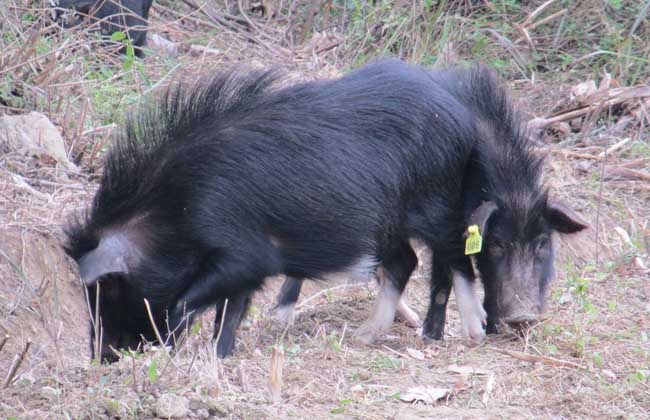
Tibetan fragrant pigs have very low fat content, thin skin, delicious meat, and rich nutrition. An altitude of 2000-4000 m is the best growing height for purebred Tibetan fragrant pigs. Local Tibetan fragrant pigs are raised freely in mountain forests and often eat wild medicinal materials such as cordyceps (cordyceps includes yellow grass and white grass; the mountains around Jiebu Village have abundant white grass), matsutake, and ginseng fruit. Therefore, not only is their meat of superior quality, but even their manure is purchased for use as a medicinal guide in Tibetan medicine. Although the Tibetan fragrant pig has a slightly longer growth cycle and requires two years, its reproductive capacity is relatively strong. It can reproduce up to 2 times a year (August and September, and February and March), with about 8 piglets per litter. Tibetan fragrant pigs have very low fat content, thin skin, delicious meat, and rich nutrition, and are called the "treasure of the plateau."
The Tibetan fragrant pig is a specialty of the Nyingchi area. Because authentic Tibetan fragrant pigs are raised freely in mountain forests and year-round eat abundant wild plants and Tibetan medicinal materials, they have a petite body size, high nutritional value, and delicious, non-greasy meat. They are now widely popular in the market and in short supply. Due to long-term free-range raising in high-altitude wild areas, Tibetan fragrant pigs have a robust physique, a pointed snout and long head, fine hooves and hard bones, are good at running, and have particularly well-developed heart and lung function. They have extremely strong disease resistance and cold resistance. Most adult Tibetan fragrant pigs grow naturally for more than two years.
Tibetan fragrant pigs have an extremely wide feeding range and extremely strong feeding ability. From herbaceous plants to woody plants, from roots and stems to leaves and fruits, from above ground to below ground, from water surfaces to land, they can feed on all of it. The main types of food they eat include various wild vegetables, grass roots, tree leaves, twigs, as well as more than 10 kinds such as ginseng fruit and Qinggang seeds. They also often prey on fish in shallow water. Their drinking water is mainly mountain stream and river water or water accumulated in low-lying areas. In winter and spring, they often drink melted snow.
In terms of quality, Tibetan fragrant pigs have the "six mosts," namely: the highest amino acid content in the meat, the highest trace elements, the lowest fat content, the longest pig intestines, the thinnest pig skin, and the longest bristles. They are a traditional ethnic delicacy of Tibet.
Authentic Tibetan fragrant pigs are also known as "pipa pigs." These small-bodied mountain pigs are mostly black, and some are black-and-white mixed. The average weight of an adult pig does not exceed 50 kg. They are not only small in size but also resistant to cold. They are raised freely in mountain forests at an altitude of 3000 to 4000 m and year-round eat abundant natural wild plants and fruits. Their meat has high nutritional value and low fat content, with thin skin, fresh meat, and no greasiness. Tibetan fragrant pork is fragrant, fresh, and tender; sliced and smoked-cured or quickly stir-fried, it is suitable either way.