Detailed Explanation of the Video Tutorial on Fragrant Pig Breeding Techniques
Fragrant pigs mature early and fatten easily, with thin skin and fine bones, tender and juicy meat, and a rich aroma. Suckling pigs have no gamey smell, and even when cooked without any seasoning they give off a delightful fragrance. They are the best material for processing premium meat products and the preferred raw material for roast suckling pig. They have the breeding characteristics of tolerance to coarse feed, few diseases, and easy rearing, making them suitable for household farming in rural areas.
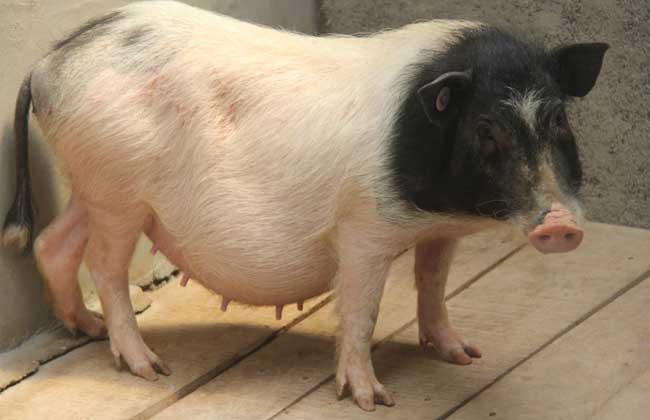
Pig Breed Selection
When introducing breeding stock, a strict assessment should be made of the pigs' appearance, growth and development, bloodline, and whether they have any genetic defects. The breed characteristics should be distinct and reproductive function vigorous. Pedigree cards of the pig breed should be brought back for keeping on file for future reference.
Environment Selection
The introduction of fragrant pigs must conform to the local people's living and consumption level and the needs of economic development. At the same time, it is necessary to understand the characteristics of the breed, climate, and feeding management, so as to determine the acclimatization measures after the fragrant pigs are introduced and create the necessary feeding and management conditions. Only in this way can the economic benefits of fragrant pig breeding be guaranteed.
Climate Requirements
It is best to introduce fragrant pigs in late spring, so that they pass through the warm summer and then go through the autumn and winter seasons as temperatures gradually drop. Cold protection work should be done after the onset of winter so that they gradually adapt to the local natural conditions.
Pig Age in Months
When introducing fragrant pigs, it is best to introduce young pigs around 4 months of age or slightly older. At the young stage, pigs have strong adaptability and readily accept changed external living conditions. Newly introduced breeding stock should not be fed in a scattered manner, but should be concentrated in 1 or several pig farms, where good feeding and management conditions are created for rearing. At the same time, observation records should be kept well, and breeding and selection work should be carried out properly. After they have adapted, they can gradually be promoted.
Epidemic Prevention and Disinfection
When introducing pigs from other places, they should be kept in centralized isolation for 1-2 months, with epidemic prevention and disinfection strengthened. Attention should be paid to eliminating and preventing the threat of local parasitic diseases and infectious diseases to ensure the safety of the introduced breeding stock.