Can Budgerigars Talk? A Look at Their Mimicry Abilities
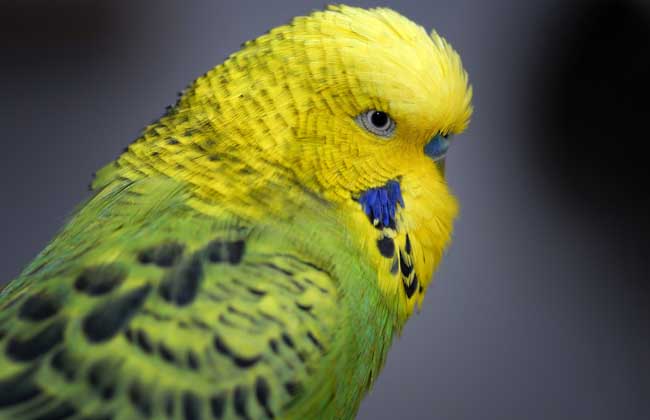
"Parroting" refers to the ability of some birds to imitate human speech, and because parrots are the best-known representatives of this group, "parroting" has become the general term for this behaviour. Budgerigars do not necessarily talk; a few original wild-type birds can be trained to talk, but few of them can still do so today. However, as long as the bird is raised from a young age, and preferably is male, there is a chance it will talk.
Can Budgerigars Talk?
Budgerigars can talk. Most small parrots in the parrot family can talk, such as budgerigars, cockatiels and small parakeets, all of which have fairly strong talking abilities, because birds in the parrot family have the same vocal cords and sound-producing organs, which are relatively suited to producing a variety of sounds. In fact, budgerigars could imitate human speech in the early days of domestication, and many records show that they have very strong mimicry abilities. It is said that in the early 20th century, a budgerigar kept by someone escaped; because it kept reciting the family's telephone number all the way, it was caught and sent back. Today this ability has clearly declined, and talking budgerigars are now hard to find, possibly because under artificial breeding the pressure to reproduce has decreased and the birds' mimicry ability has degenerated.
Preparations for Teaching a Budgerigar to Talk
1. Choose a subadult male budgerigar, for the following reasons. ① Subadults (individuals after leaving the nest but before sexual maturity) are more likely to accept new things, so the success rate is relatively high. ② Male budgerigars are much better than female budgerigars at vocal mimicry (imitating the calls of other birds and some sounds, including speech).
2. The bird to be trained must not be kept in the same room as birds of other species (except a teacher bird), and the bird being taught to talk must be kept alone in its own cage.
3. It is widely believed that teaching a parrot to talk requires twisting its tongue, but this is a misconception that only harms the parrot. In fact, there is no scientific basis for, and no significant effect from, twisting the tongue when it comes to parrots learning human speech. This is because most birds' sound-producing organ is the "syrinx" located at the lower end of the trachea, at the point where the bronchi branch off, and sound is produced by the contraction of attached muscles, whereas the human vocal cords are at the upper end of the trachea.
Methods for Teaching a Budgerigar to Talk
1. Time: early morning is best, because birds are most active in their calls in the early morning, and at this time the bird has not yet eaten its fill, so the teaching effect is better.
2. Environment: it must be quiet, with no noise or talking, otherwise the bird is easily distracted and may also learn sounds it should not learn. Therefore, it is best to carry out the teaching in a quiet indoor room.
3. Content: you must teach the budgerigar to talk every day, and teach it one sentence at a time, starting with simple words such as "hello", "goodbye" and so on. You must not teach two sentences at the same time, and when teaching it to say words, your pronunciation must be clear and not indistinct, so that the words the bird learns are relatively clear. (A commonly used method is to use a myna, a hill myna or a common starling that already talks as a teacher bird, letting the budgerigar learn from it; this saves a lot of manpower and is relatively fast. If you do not have a teacher bird, you can choose a repeat machine or teach it yourself, and the effect is just as good.)
Summary: Whether a budgerigar can talk depends on individual differences among birds; not every budgerigar can successfully learn to talk. The success rate for budgerigars learning to talk is about 22% (calculated based on budgerigars that have been learning to talk for about a year), so you should be mentally prepared for failure.