How do budgerigars breed? Master the right methods to improve the success rate
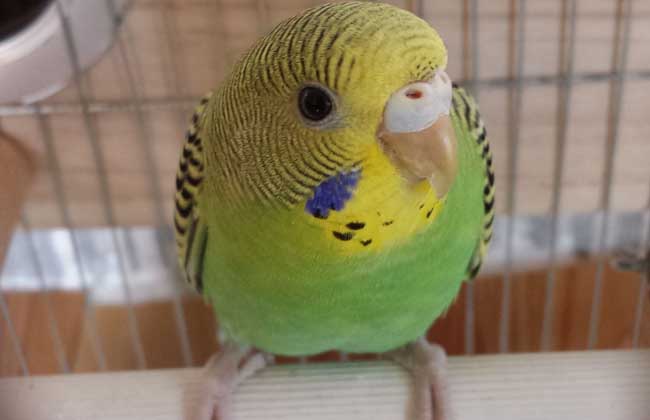
Budgerigars (budgies) originated in eastern Australia. With their many varieties and playful, adorable nature, they are widely loved by the public. They are easy to keep in captivity, simple to manage, tolerant of coarse feed, physically strong, not prone to illness, and easy to breed, and have become a worldwide cage bird. Let's take a look at the breeding methods for budgerigars below!
Budgerigar breeding season
Budgerigars usually reach sexual maturity at 4 months of age and begin to come into season in May and June. Once they are in full season, they can breed. The male will feed the female, and the female may actively solicit mounting, or the male may actively place his foot on the female's back to request mounting. They can breed throughout the year.
Budgerigar breeding methods
1. Budgerigars generally lay 4 to 10 eggs per clutch. The eggs are white, with 1 egg laid every day or every other day. When the third egg is laid, the female begins to sit on the nest and incubate. Incubation is mainly done by the female and lasts 18 days. Both male and female parent birds raise the chicks together, and the brooding period is about 30 days. During incubation, the female is fairly sensitive to outside disturbances, so keep the environment as quiet as possible to avoid the parent birds being startled and abandoning the nest, which would affect incubation and chick rearing.
2. For breeding in winter, the room temperature should be kept above 20°C, with relative humidity of 45% to 50%, and indoor air circulation should be maintained. The peak breeding period can last 3 to 4 years, after which the breeding rate gradually declines. In order to purify and rejuvenate the breeding flock, breeding birds should be constantly replaced. The average lifespan is 7 to 10 years.
How to tell male and female budgerigars apart
1. Young budgerigars: the male's cere is basically pink, which applies to young birds after they leave the nest at one month old (because in very young birds the nasal membrane is congested, making it hard to judge). The female has white around the nostrils, and occasionally pink as well, but very pale.
2. Subadult birds: depending on the variety, the male's cere is generally blue; recessive pied males and double-factor dominant pied males are pink, peach-red for life, with a hint of purple. The female has white around the nostrils, with a very pale blue outer edge, or the cere is white.
3. Adult budgerigars: depending on the variety, the male's cere is generally blue; recessive pied males and double-factor dominant pied males are pink, peach-red for life, with a hint of purple. Some females have a white cere (possibly during the recession phase of the breeding season, while some females simply have not yet reached the breeding season), and some have a wrinkled, brownish cere (which indicates the female is in the breeding season).