How to build a meat dog farm? A detailed practical construction plan
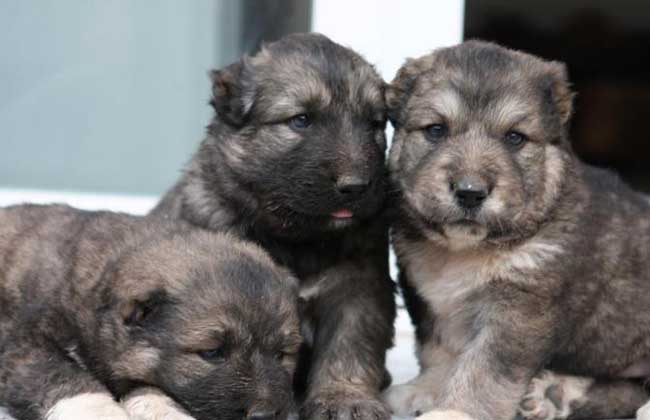
Now the trend of raising meat dogs has taken shape in our country, but no truly dedicated meat dog breed has yet been developed. The relatively good meat-type dogs, such as the Tibetan Mastiff, shepherd dogs, Guangdong Yellow Dog, and Sichuan Yellow Dog, are only local dual-purpose breeds. The so-called improved meat dog breeds raised in various places are all offspring of crosses between local improved dogs and native dogs. Let us take a look together at the construction plan for a meat dog farm below!
Site selection for meat dog farming
A dog farm requires a relatively quiet environment, abundant water, good water quality, convenient transportation, easy access to electricity, and a certain distance from residential areas, main traffic roads, livestock and poultry farms, sewage pits, and chemical plants. The site must be dry, ventilated, and sunny, with trees planted around the pens for shade and cooling, warm in winter and cool in summer.
Dog house design for meat dog farming
The drainage ditches around the meat dog farm and the activity yard must be unobstructed, and the ground should be level, which is conducive to clearing manure. The dog house should be built facing south or southeast, and it must be sturdy and durable and must conform to the living habits and sanitary conditions of dogs. Each dog house should have a separate activity yard. The dog house should be made of brick, tile, and cement structure, and doors and windows can be made of steel and wood structure. The activity yard is best made of cement ground or lime-sand-soil mixture, with a slight slope to facilitate drainage. The partition walls should be enclosed with angle iron, steel pipes, and wire mesh, which is sturdy and durable, prevents biting and tearing, and is also easy to clean, wash, and disinfect.
Points to note when building a meat dog farm
1. Lighting and ventilation: Sunlight and air exchange are important conditions for dog house hygiene. The lighting window should be 1/8-1/5 of the dog bed area, with glass windows installed, and in summer ventilate to prevent mosquitoes. For natural air exchange in the dog house, install special artificial ventilation devices.
2. Moisture prevention and drainage: Dogs dislike dampness, so the construction of the dog house must pay attention to moisture prevention and damp proofing. The dog bed should be 20-30 cm above the ground. The sewer is best a large-diameter covered ditch; if it is an open ditch, then the various dog yards must not be interconnected, to prevent infectious diseases and parasitic diseases.
3. Heat prevention and insulation: Dogs fear heat and tolerate cold. The standard temperature of the dog house is 17-20°C in summer and 13-15°C in winter. Therefore, raising dogs in the south mainly involves doing a good job of heat prevention and cooling. Trees should be planted around the dog house for shade, or shade equipment should be installed, in preparation for summer heat prevention.