Is joining a meat dog farming franchise really a scam? Read this before you decide
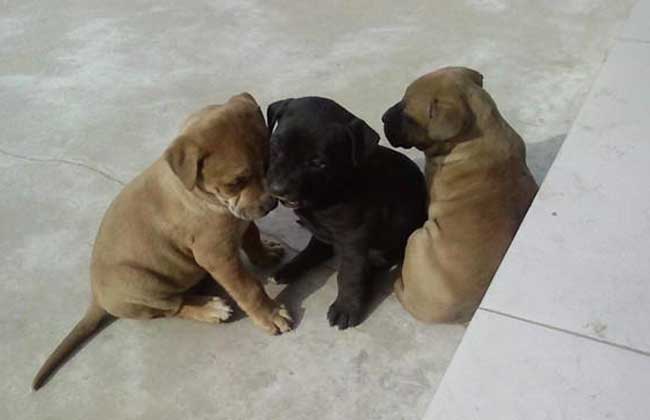
Meat dogs are dogs raised specifically for slaughter for human consumption, so is joining a meat dog farming franchise a scam? Overall, the market consumption outlook for dog meat is still fairly objective, but in recent years dog meat consumption has met with a certain degree of resistance. Although the prospects for large-scale meat dog breeding look good, a single misstep can also cause economic losses, so meat dog farming requires caution. Let us take a look together below!
Is joining a meat dog farming franchise a scam?
In the market, especially among breeding stock sellers, profits are described as very large when introducing the business to customers, but if calculated according to commercial production and the continual spread of meat dogs, whether each group of meat dogs will still yield several thousand yuan in profit is something farmers should quietly think over before raising meat dogs on a large scale. Under normal circumstances, after meat dogs are produced on a large scale, prices will decline somewhat, and the profits currently expected will be difficult to achieve. As an emerging special breeding industry, the meat dog industry has a certain market potential and will continue to develop, but due to restrictions in various aspects such as meat dog breeds, feed, breeding technology and market demand, the meat dog industry cannot be entered blindly, so as to avoid unnecessary economic losses.
Breed selection for meat dog farming
Meat dogs must gain weight quickly, be large in size, produce more meat and have good meat quality in order to achieve good economic returns. Most of those currently used for meat dog production are two-way or three-way crossbred dogs produced by mating local large yellow dogs and large black dogs as the dam with large breeds such as shepherd dogs, Japanese wolfdogs, black backs and Great Danes as the sire, which can only be regarded as the use of heterosis. Therefore, when introducing breeding stock, first look at the records and pedigree records, second look at the size and production performance of the parents, and third look at the development status and body conformation characteristics of the puppies.
Dog house construction for meat dog farming
The temperature of the dog house should generally be controlled below 35°C in summer and kept above 12°C in winter, with a relative humidity of 50%-60% being appropriate. The dog yard should be cleaned once a day at a fixed time, and meat dogs should be trained to defecate at fixed spots. Puppies should be vaccinated 3 times with the five-in-one vaccine in their first year, and then boosted once each year afterward. On average, about every 1 month, allicin and similar substances should be added to the feed to prevent common diseases of meat dogs such as enteritis and colds, and one should observe frequently, check often, watch appetite and examine feces.
Seasonal selection for meat dog farming
Dog meat sales are greatly affected by season, with strong seasonal consumption, and market demand also differs among different regions. On the one hand, because the habit of eating dog meat in winter for “heat supplementation” is popular in most parts of our country, while sales in spring, summer and autumn are small, causing large stockpiles of meat dogs and increasing feeding costs. On the other hand, influenced by ethnic customs, many places do not have the habit of eating dog meat, consumer demand is limited, and the dog meat market still needs further guidance and development.
Environment for meat dog farming. The dog yard should be quiet and dry, with good drainage, ventilated and sunny, warm in winter and cool in summer. Generally, building walls in orchards and mulberry fields to make a dog yard is best (empty houses, pig pens, sheep pens, etc. can also be used for confinement rearing). Generally, each pen has an area of 10-12 sq m and a height of no less than 1.5 m. The dog yard should be equipped with facilities such as a disinfection pool and sewage drainage ditches, as well as a place for meat dogs to exercise and bask in the sun.