What are the precautions for meat dog farming? These points you must master
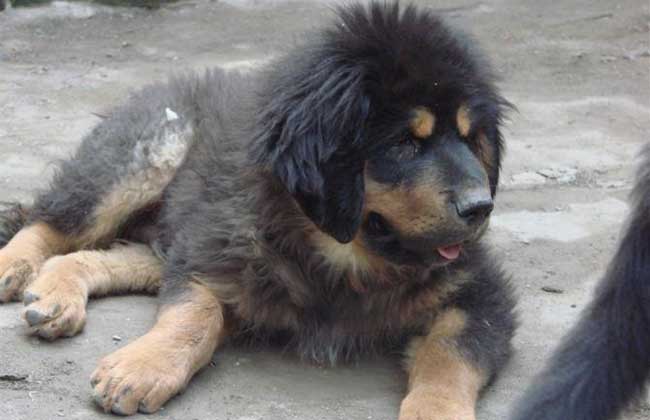
Meat dogs are dogs raised specifically for slaughter for human consumption, mainly for meat, with advantages such as small investment, quick returns, and high efficiency. During the farming process, the daily ration should be reasonably matched according to digestive characteristics and living habits to ensure comprehensive nutrition, good palatability, and high digestibility. Let's take a look below at what issues should be noted in meat dog farming!
Raise according to consumption habits
Dog meat sales are greatly affected by season, with strong seasonal consumption, and market demand also differs across regions. On one hand, because most of China has the habit of eating dog meat in winter for "heat tonification," while sales in spring, summer, and autumn are small, causing large stockpiles of meat dogs and increasing feeding costs. On the other hand, affected by ethnic customs, many places do not have the habit of eating dog meat, limiting consumer demand, and the dog meat market still needs further guidance.
Think thrice before introducing breeding stock
The profits stated by sellers of breeding stock are calculated based on breeding dogs; if calculated based on commercial production and with the increasing popularity of meat dogs, whether each group of meat dogs will still generate thousands of yuan in profit is something farmers should calmly consider before large-scale meat dog farming. Under normal circumstances, after large-scale production of meat dogs, prices will decline somewhat, and the currently expected profits will be difficult to achieve. As an emerging specialty breeding industry, the meat dog industry has certain market potential and will continue to develop, but due to limitations in meat dog breeds, feed, farming technology, market demand, and other aspects, the meat dog industry cannot be entered blindly, so as to avoid unnecessary economic losses.
The dog farm environment must be excellent
The dog farm should be quiet and dry, with good drainage, ventilation and sunlight, warm in winter and cool in summer. Generally, building walls in orchards or mulberry fields to make a dog farm is best (empty houses, pig pens, sheep pens, etc. can also be used for confined rearing). Generally, each pen has an area of 10-12 sq m, with a height of no less than 1.5 m. The dog farm should be equipped with facilities such as disinfection pools and sewage drainage ditches, as well as areas for meat dogs to exercise and sunbathe.
Investigate from multiple sources when introducing breeding stock
Because dog farming heated up too quickly, the phenomenon of "dog speculation" inevitably appeared, causing uneven quality of dog seedlings and great losses. Therefore, after arriving at the source area for introducing breeding stock, one should not fear trouble and should investigate from multiple sources. First, go to several large, formal meat dog farms or bases for on-site inspection to see the farm scale, number of basic breeding dogs, whether there is a business license, technical strength, archival records of dog-raising materials, and whether the base has product recovery capacity, etc. Then, according to one's own financial resources, material resources, and technical level, decide the farming scale and the quantity of breeding stock to introduce.
Choose excellent breeds
Meat dogs must gain weight quickly, be large in size, produce more meat, and have good meat quality to achieve good economic benefits. Currently, most dogs used for meat dog production are two-way or three-way crossbred dogs produced by mating local large yellow dogs and large black dogs as dams with large breeds such as shepherd dogs, Japanese wolfdogs, Black Backs, Great Danes, etc. as sires, which can only be regarded as the use of heterosis. Therefore, when introducing breeding stock, first look at archival materials and pedigree records, second look at the size and production performance of the parents, and third look at the development status and physical characteristics of the puppies.