What are the common misconceptions about meat dog farming? These mistakes should be avoided
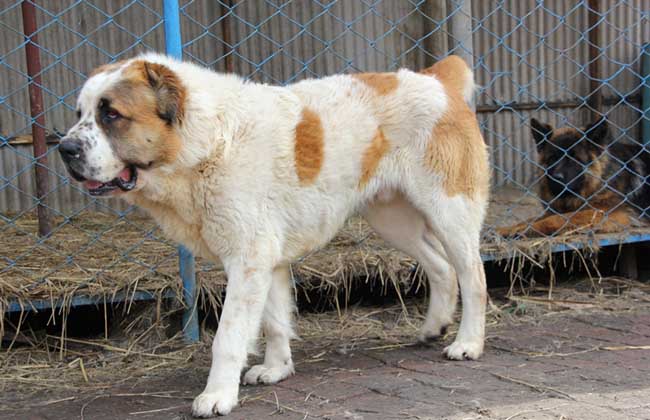
Meat dog farming in China started in 1956, and its major development occurred in the 1980s and 1990s. Dog meat dishes are loved by the general public as a delicious delicacy. Although the prospects for large-scale meat dog breeding look promising, a single careless step can also cause economic losses. Below, let us take a look at what the common misconceptions about meat dog farming are!
Mixed breeds, uneven sizes
As soon as some rural specialized households hear that raising dogs earns more money than raising pigs, they go from village to village buying puppies, and start raising them in an old house, paying no attention to the dogs' age or individual size. After buying them, they shut them together, and before long, big dogs bite small ones and strong ones bully weak ones, causing injuries and deaths and resulting in a loss. Therefore, when selecting puppies to raise, care should be taken that the age difference at birth generally does not exceed 15 days, that the coat colors are basically consistent, and especially that puppies that have not yet been weaned are not purchased.
Single feed, lacking nutrition
Dogs are omnivorous animals, and feed nutrition should contain protein, fat, carbohydrates, fiber, etc. In addition, rich minerals and various vitamins are also needed. When meat dog feed is unavailable on the market, specialized dog-raising households should prepare nutritionally complete, highly palatable feed according to the dogs' different growth stages, and must never feed only a single type of feed.
Abuse of drugs, reckless use of sedatives
After meat dogs enter the fattening period, hypnotic and anesthetic drugs can be reasonably used to make them sleep as soon as they eat, which helps with weight gain, but during the puppy stage and the young dog stage, hypnotic and anesthetic drugs should not be used; growth should rely on feed conversion. Some specialized households even spend large sums of money to mail-order hypnotic and anesthetic drugs, and because of improper dosage and incorrect methods of use, this often leads to dogs refusing to eat or dying of poisoning after eating.
Lack of exercise, poorer meat quality
Most specialized dog-raising households use existing houses or pens to confine and raise meat dogs. When the dogs grow to 10-15 kg, they are eager to feed them more fatty feed to fatten them. Because the dogs exercise little, after slaughter there is a lot of subcutaneous fat, and when eaten it no longer tastes like dog meat, making it hard to sell. Therefore, when raising meat dogs, they must be given more exercise, and feeding must be appropriately restricted, especially giving less feed containing a lot of fat, so as to help increase lean meat and improve dog meat quality.