How do you grow snake plant so it produces side shoots? A few care tips for you
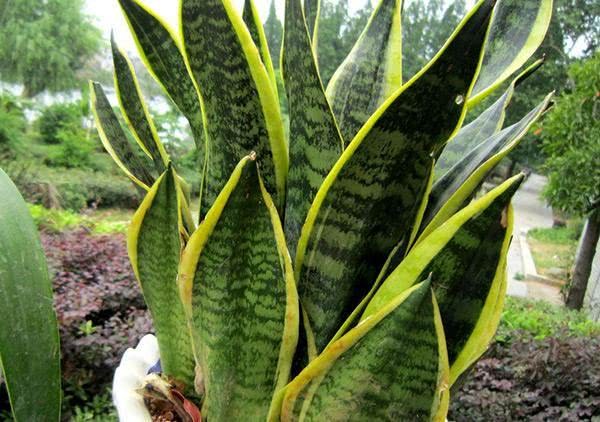
As a type of desert plant, the snake plant's adaptability to the environment can well be imagined, and it has a good effect on air purification, especially since it can absorb the vast majority of harmful gases very well, which is why the snake plant is also one of the common household plants. When cultivating snake plants, how to make it grow more side shoots is often quite important, so next I will teach you how to make snake plants grow more side shoots.
1. Soil and repotting
If the snake plant can grow more side shoots, this also shows that its growth is very good and that it will not become short and stunted, so soil and repotting are especially important for the growth of snake plant side shoots. First is the soil. Although snake plant cultivation does not have high requirements for soil, there is one point that absolutely must not be forgotten, which is that the looseness of the soil must be good.
Whether the potting soil is relatively poor or fertile, the quality of its looseness directly affects the growth of side shoots. If you choose soil with poor looseness to cultivate snake plants, it will strongly inhibit the emergence of side shoots, which will cause the plant not to grow large and prevent it from growing into a full, pot-bursting snake plant. Second is regular repotting. The reason for changing the potting soil is that the nutrients in the soil are limited. The minerals and so on contained in it will become scarce after being absorbed by the plant for a certain period of time. At this point, the nutrients in the soil are not enough to support the plant's growth, so it will also cause the snake plant to grow relatively few side shoots.
Therefore, repotting every 1-2 years is a key factor in ensuring that the snake plant's side shoots are growing, and repotting should preferably be done in spring, and after repotting an appropriate amount of fertilizer needs to be added.
2. Control of fertilizing
The snake plant's demand for fertilizer is actually not high. Usually, fertilizing about once every 20-30 days is appropriate. Because of the influence of fertilizer, the plant's growth condition will be relatively better, and at this time it will also grow more side shoots. However, it should be noted that if it enters the autumn and winter seasons, the snake plant enters a dormant period at this time, so the amount of fertilizer needs to be slowly reduced, and when necessary fertilizing can even be stopped to protect the plant. The choice of fertilizer should not be only a single chemical fertilizer. An appropriate amount of phosphorus and potassium fertilizer can be added to the plant instead of the commonly added nitrogen fertilizer. Doing this can also promote the snake plant's flowering and make it appear a bit more special. In addition, when fertilizing, be sure not to let the fertilizer touch the body of the snake plant, because this will not only burn the plant, but also affect the sprouting of its side shoots.
3. Appropriate watering
The most critical factor for the growth of snake plant side shoots is watering. Many friends worry that the snake plant will not grow large or will grow relatively slowly, and then water the plant frequently. Doing this is not good for its growth, and it is also not good for the growth of side shoots. It also easily causes water accumulation in the soil and induces root and stem rot, leading to yellowing of its leaves.
The snake plant's drought tolerance determines that it does not need that much water, so watering as little as possible is beneficial for the growth of its side shoots. Generally speaking, watering about once every half a month to a month is fine, and at the same time watering until the potting soil is thoroughly soaked is enough. If it is winter, watering should be even less; during the whole winter you can water only once or twice, or even not water the plant at all.