How to Grow a Buddha Belly Bamboo Bonsai: Full of Charm, Not to Be Missed
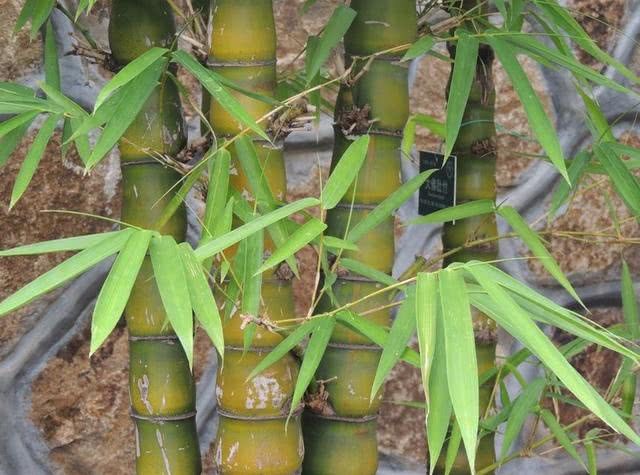
I recently just got a plant called Buddha Belly Bamboo bonsai, and it feels especially like the shape of bamboo. It also looks very fresh and refreshing, and it fits perfectly with growing it quietly at home, as if I were standing in a bamboo forest, with very high ornamental value. So for this kind of plant, the editor highly recommends it for everyone to grow, especially as a gift for your relatives and elders. Moreover, this kind of plant has very high application value, and its greatest value is clearing heat and relieving restlessness, so giving this kind of plant to your elders is also a very good gift. So next, let's talk about how to grow this kind of plant.
Let's start with five aspects. The first is the environment. As for the environmental requirements, it is actually the environment in which it grows. Right after we plant the Buddha Belly Bamboo bonsai, we should water it first. The degree of watering is that the soil is completely soaked through, and every inch of soil contains a certain amount of moisture. Then do not put it in the sunlight, because its roots are in a very shallow place, and under the hot summer sun, it may damage its roots. So right after we plant it and finish watering, we should put it in a dark place for care, for about ten days.
Then put it in a place with half shade and half sun for five days, and then it can be put in the sunlight. But in summer, it still cannot be exposed to strong ultraviolet rays for a long time, because this will also cause harm to its growth and scorch its roots. It is best in autumn and winter, when the nighttime air is too cold, to move it indoors for growing, because the environment it lives in is best kept at a room temperature of around 8 degrees. But in winter, this temperature seems to become very low, so this kind of plant must be moved indoors for growing in winter.
Next, let's talk about watering. Buddha Belly Bamboo plants especially like moisture, so they must be watered frequently, and the soil must be kept moist. But there must be no standing water in the container, because standing water will cause its roots to rot, may be harmful to its growth, and may even cause its death. If it reaches summer, it is in its vigorous growth period, so the demand for water is also greater. If the temperature rises further, then it should be watered once in the morning and once in the evening, so that even in summer it can absorb enough water and continue to grow fully. Besides summer, in winter, autumn, and spring, it can also be watered appropriately, as long as the soil is kept moist.
Next, let's talk about fertilizing. For Buddha Belly Bamboo bonsai plants, too much is very harmful, because if there is too much, the leaves will grow larger and the branches will also become especially thick, which greatly affects the appearance and is not good for us to grow it as a potted plant. So from March to September, fertilizing only once a month is enough, but the amount of fertilizer must also be controlled to a certain extent.
Next, let's talk about how we should prune it to grow it into the shape we like. For Buddha Belly Bamboo plants, growth is very fast, so prune it in time to avoid consuming excess nutrients and preventing it from growing fully. Moreover, for new shoots of this kind, you can decide whether to keep them according to their form. So this kind of plant has very strong plasticity, so it can meet your needs for any shape. So what reason do you still have not to like this kind of plant? As for the prevention and control of pests and diseases of this kind of plant, its pests and diseases are also relatively few, so if you encounter this kind of insect, remove it in time, but under normal circumstances you will not easily encounter these insects.