Detailed Explanation of Key Technical Points for the Prevention and Control of Parasitic Diseases in Meat Dogs
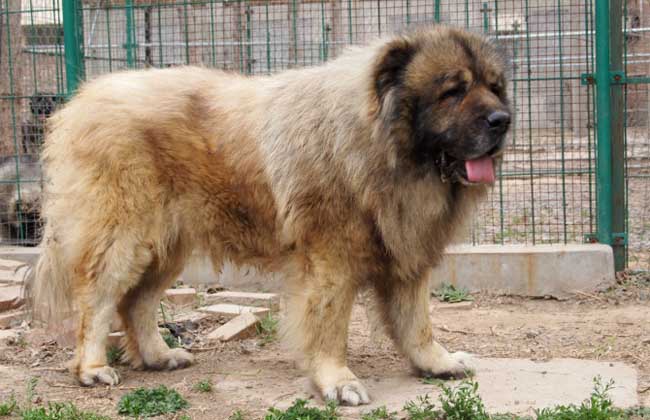
Meat dogs are dogs specially slaughtered for human consumption. Although meat dogs have strong resistance to trauma and strong self-healing ability, and a low rate of viral infection, and generally do not get sick easily, they are very prone to parasitic diseases. Common ones include canine roundworm disease, canine hookworm disease, canine tapeworm disease, dog lice, canine sarcoptic mange, etc. Below let us take a look at the prevention and control techniques for parasitic diseases in meat dogs!
Canine Roundworm Disease
[Harmful Characteristics] Canine roundworm disease mainly harms puppies aged 1-3 months. Sick dogs show poor development and slow growth, and severe cases can lead to death. Clinical symptoms include emaciation, anemia, pale visible mucous membranes, loss of appetite, vomiting, pica, digestive disorders, and abdominal distension. A small number of affected dogs show neurological symptoms -- epileptic spasms.
[Preventive Measures] Pay attention to environmental hygiene, deworm regularly, and remove feces promptly.
[Treatment Methods] ① Levamisole 10 mg per kg of body weight, administered orally once. ② Piperazine 100 mg per kg of body weight, administered orally once. ③ Tetramisole 10 mg per kg of body weight, administered orally once.
Canine Hookworm Disease
[Harmful Characteristics] Canine hookworm disease is distributed throughout the country, and is more common in the warm southern regions. Clinical symptoms include emaciation, weakness, greatly reduced appetite, coarse and hard hair that easily falls off, vomiting, pica, alternating diarrhea and constipation, and feces containing blood or being black and tarry with an extremely foul odor.
[Preventive Measures] Because this disease mostly occurs in summer, and is especially common in small, damp dog kennels, dog kennels should be kept dry and well ventilated in summer, clean and hygienic, and the floor and utensils should be disinfected regularly.
[Treatment Methods] ① Disophenol, 0.22 ml per kg of body weight, administered by subcutaneous injection once. ② Mebendazole, 10 mg per kg of body weight, taken twice a day for 2 consecutive days. ③ Other drugs can be the same as those for treating roundworms.
Canine Tapeworm Disease
[Harmful Characteristics] Dogs are the definitive hosts of tapeworms, while humans and many other animals are intermediate hosts. Various animals can infect each other, and the harm is relatively great. Clinical symptoms are as follows: in mild infections, there are generally no obvious clinical symptoms, so it is not easy to notice, and only mature proglottid segments are occasionally passed. In severe infections, sick dogs vomit, show pica, progressively lose weight, have indigestion, sometimes alternate between constipation and diarrhea, experience anal itching, and develop neurological symptoms, intense excitement, spasms, and paralysis of the limbs.
[Preventive Measures] ① Deworm regularly, 4 times a year, once per quarter, and pile feces centrally for fermentation. ② Keep dog kennels clean and dry, and disinfect regularly. ③ Do not let dogs roam everywhere. ④ Do not feed uncooked meat (raw fish, livestock and poultry offal, etc.). ⑤ Isolate newly purchased dogs and conduct fecal examinations, and only add them to the group after confirming they are disease-free.
[Treatment Methods] ① Niclosamide (Yomesan), 100-150 mg per kg of body weight, taken orally once. Withhold food for 12 hours before administration. ② Praziquantel, 2.5-5 mg per kg of body weight, taken orally once. ③ Albendazole, 10-15 mg per kg of body weight, taken orally once. ④ Bunamidine hydrochloride, 25-50 mg per kg of body weight, taken orally once, and must not be reused within 2 weeks. ⑤ Arecoline hydrobromide, 1-2 mg per kg of body weight, taken orally once.
Dog Lice
[Harmful Characteristics] Lice on dogs include two types: dog biting lice, which feed on hair and epidermal scales, and dog sucking lice, which suck blood. When sucking blood, they secrete toxic saliva that causes itching. They parasitize on the outside of the dog's body. After the skin is irritated, the dog scratches, rubs everywhere, and bites the affected area, causing the affected dog to be restless while lying down and eating, resulting in skin damage and hair loss, with coarse and messy coat. In severe cases, dermatitis occurs, and even wound infection. Diagnosis can be confirmed by finding dog lice at the sites where they parasitize and finding yellow-white louse eggs on the dog's hair.
[Preventive Measures] Do a good job of keeping pens clean and hygienic, and prevent dogs carrying parasitic lice from entering the pens and spreading them to the dog group.
[Treatment Methods] If dog lice are found on a dog, 1% rotenone phenol or 3% carbaryl can be sprinkled on the skin, and repeated 1-2 times after an interval of 1 week.