What are the nutritional value and edible benefits of asparagus?
Nutritional value of asparagus
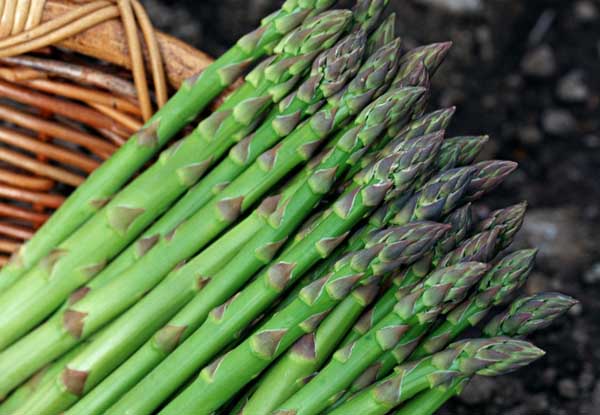
Asparagus is the young stem of Asparagus officinalis, a plant in the Liliaceae family. It is a premium and precious vegetable, known as one of the "world's top ten famous dishes," and nutrition scholars and vegetarians in Europe and America regard it as a health food.
Table of nutrient content per 100 grams of asparagus:
Nutrient content Nutrient content Nutrient content Energy 75 kJ Water 93 g Protein 1.4 g Fat 0.1 g Dietary fiber 1.9 g Carbohydrates 3 g Carotene 100 mcg Retinol equivalent 17 mcg Thiamine 0.04 mg Riboflavin 0.05 mg Niacin 0.7 mg Vitamin C 45 mg Potassium 213 mg Sodium 3.1 mg Calcium 10 mg Magnesium 10 mg Iron 1.4 mg Manganese 0.17 mg Zinc 0.4 mg Copper 0.07 mg Phosphorus 42 mg Selenium 0.21 mcg Rutin trace Quercetin traceBecause the young stems eaten are shaped like reed shoots and bamboo shoots, many people in China customarily call Asparagus officinalis "lusun" (asparagus). The leaves and branches of asparagus are tendril-like, so people in Beijing call it "dragon-whisker vegetable," "pig tail," "ant pole," and "wolf tail root"; wild asparagus grows in Northeast China, North China and other places, and people in the Northeast call it "medicine chicken bean"; people in Gansu call it "false gastrodia," "pig tail," "false asparagus fern," and so on.
The young stems of asparagus are rich in protein, vitamins, minerals and trace elements needed by the human body. In addition, asparagus contains the unique substance asparagine, which is effective against cardiovascular disease, edema, cystitis and leukemia, and also has anti-cancer effects. Therefore, long-term consumption of asparagus benefits the spleen and stomach and has good therapeutic effects on many human diseases.
Asparagus is eaten for its young stems; the texture is fresh and tender, the flavor is delicious, and it is soft and tasty. When cooking, cut it into thin slices; it can be stir-fried, boiled, stewed, or served cold. For refrigeration and preservation, first boil it in water for one minute, let it dry, then put it into a plastic wrap bag, tie the opening, and place it in the freezer; take it out when eating. Famous asparagus dishes include "fresh mushroom dragon whiskers," "plain stir-fried asparagus," "shrimp with asparagus," "sauteed asparagus with sliced pork," "asparagus omelette," "sweet and sour asparagus slices," "braised asparagus with scallops," and "asparagus and abalone soup."