Can Pregnant Women Eat Asparagus? Precautions for Eating During Pregnancy
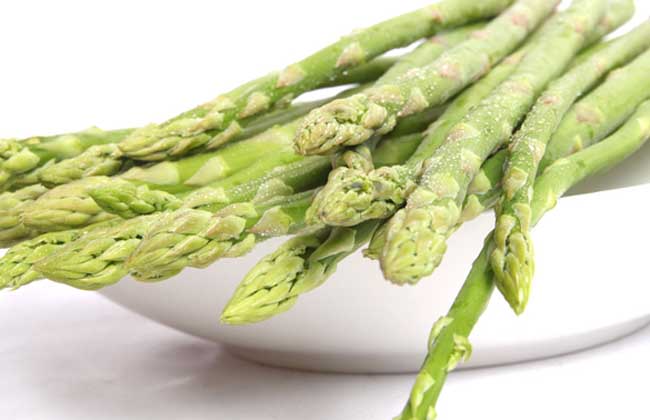
Because asparagus has a delicious flavor, people in many parts of the world enjoy eating it. Chinese people also love asparagus, not only because it tastes good, but also because it is rich in nutrients. In particular, many people who know something about health preservation regard asparagus as especially precious.
Can Pregnant Women Eat Asparagus?
Relatively speaking, pregnant women's bodies are quite sensitive, so when faced with foods they commonly eat, they should first consider whether they can eat them. Can pregnant women eat asparagus? The answer is that pregnant women can eat asparagus. Although asparagus is a vegetable with a somewhat cold nature, which makes many pregnant women feel it is unsuitable to eat, such concerns are actually unnecessary. Compared with the disadvantages of asparagus, the benefits it brings to pregnant women are far greater. On the contrary, traditional Chinese medicine health experts suggest that pregnant women can appropriately eat more asparagus in daily life.
What Are the Benefits of Pregnant Women Eating Asparagus?
1. Pregnant women gain weight, so they generally feel varying degrees of fatigue, especially when their belly is big and heavy, when the body is prone to some adverse symptoms. For example, decreased digestive function, or becoming picky about food and not wanting to eat, and so on. These situations not only affect the pregnant woman's health, but also affect the growth and development of the fetus. If during this period they can eat more asparagus, it can effectively prevent these situations from occurring. Asparagus can promote gastrointestinal digestion and improve a pregnant woman's appetite.
2. During pregnancy, because the endocrine system may become somewhat imbalanced, a woman's entire body becomes unstable, and she is prone to some vascular diseases. For example, many pregnant women may experience symptoms of dizziness, and some pregnant women may even experience rising blood pressure or anemia, among various adverse physical symptoms during pregnancy. Eating more asparagus can promote blood circulation and has the effect of preventing vascular diseases.
3. A pregnant woman's body is unstable, so her immunity is also affected to a certain extent and declines. This is one of the reasons why many women are prone to getting sick after becoming pregnant. Asparagus contains a variety of nutrients. Eating an appropriate amount of asparagus in daily life can effectively promote nutritional balance in a pregnant woman's body, thereby helping to improve the body's immune capacity.
Precautions for Pregnant Women Eating Asparagus
Asparagus has a fresh, fragrant flavor, and its soft, pleasant dietary fiber can increase appetite and help digestion. Pregnant women can eat it too, but this does not mean asparagus is safe for all pregnant women. There are also points to note when pregnant women eat it.
1. Choose fresh, high-quality asparagus. Dishes made with fresh ingredients have good flavor and high nutritional value, so many people like to eat them. When buying fresh asparagus, it is best to choose ones whose whole stalks are straight in shape, whose tips and buds (scales) are tight, which have not opened or grown axillary buds, which have no water damage or rotten odor, and whose skin is bright and not shriveled, and which are tender and thick. In addition, although asparagus is good, those stored for more than 1 week are not suitable for consumption, and it should be stored at low temperature away from light.
2. Pregnant women with gout, diabetes, abnormal uric acid metabolism, or a cold and deficient spleen and stomach should not eat it. This is because the purine content in asparagus is relatively high, which can worsen uric acid metabolism disorders.
3. Use healthy cooking methods. During pregnancy, the diet should not be too strongly flavored. When pregnant women eat asparagus, they should try to avoid methods using high oil and high heat for too long, so as to avoid excessive internal heat and uncomfortable indigestion. In addition, the folic acid in asparagus is easily destroyed, so if it is used to supplement folic acid, high-temperature cooking should be avoided.
4. People allergic to asparagus should not eat it. Asparagus can also potentially be an allergen. If someone is allergic to asparagus, eating it may cause allergic symptoms such as red and swollen skin, frequent diarrhea, indigestion, headache, sore throat, and asthma, so this group of people should also avoid eating asparagus.
The Nutritional Value of Asparagus
1. Nature, flavor, and meridian tropism: sweet in flavor, cold in nature, and enters the lung and stomach meridians.
2. Effects and actions: clears heat and promotes fluid production, promotes urination and treats strangury, tonifies deficiency, fights cancer, and aids weight loss. It mainly treats thirst and restlessness due to heat disease, lung abscess, lung atrophy, strangury, and difficult urination. It has a certain therapeutic effect on conditions such as high blood pressure, fatigue, edema, cystitis, and difficulty urinating.
3. Contraindicated groups: people with gout should eat it with caution, and those with a cold and deficient spleen and stomach should take it with caution.
4. Suitable groups: generally everyone can eat it.