How do you peel asparagus quickly and cleanly?
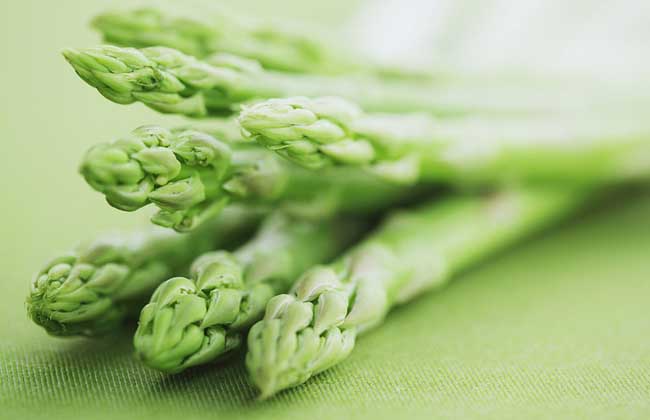
Asparagus is a common summer vegetable and one of the world's top ten famous dishes, and its nutritional value is higher than that of ordinary fruits and vegetables. When eating asparagus, many people struggle over whether to peel it, so does asparagus need to be peeled? How do you peel asparagus? Below, the editor will introduce to you how to peel asparagus!
Does asparagus need to be peeled?
Everyone knows that wild asparagus is meant to grow into reeds, just as bamboo shoots grow into bamboo, and the outer skin becomes hard in texture. To ensure taste and economic value, asparagus for eating is generally brought into the kitchen only after it has grown to the point where the outer skin of half the shoot is hard in texture, so before stir-frying asparagus, it is generally peeled.
Half of the asparagus has skin, and half is relatively tender; the tender half can be used directly, but if the hard-textured half is stir-fried with the skin on, the outer skin cannot be stir-fried soft, and when eaten it has to be peeled off by mouth, which affects the texture and also affects the mood.
How do you peel asparagus?
1. Method one
However, asparagus is so thin that an ordinary peeler finds it hard to get a grip. If you peel too thickly, the inner flesh is removed, which is very wasteful; if too thinly, it is not peeled cleanly; whether the pressure is too light or too heavy, neither works, so the demands on technique are very high. Restaurants generally have peeling machines, and if not, they also have knives specially for peeling asparagus.
But in an ordinary home, a special asparagus-peeling knife is rarely kept; when using an ordinary knife to peel asparagus, the method becomes very important. China Eating Network reminds that you must not hold both the asparagus and the knife in your hands, otherwise one cut will split the shoot into two pieces. The best way is to put the shoot on a cutting board and move the knife parallel to it. It is best not to cut off the tender part first and then peel; you can start the knife directly from the middle and move it toward the root. Never put your fingers in front of the knife, so as to avoid cutting yourself.
2. Method two
① First hold the green asparagus with both hands in a left-right direction, and with both hands gently bend it downward at the same time; the asparagus will naturally break at the junction of the older and more tender parts (note that the key to this step is to bend gently).
② Then place the green asparagus on a cutting board or tabletop, and use a peeler to gently pull downward starting from about 5cm below the asparagus tip, peeling off the skin of the green asparagus (because the asparagus is lying flat on the table, during the peeling process you need to hold it with your left hand so that the green asparagus will not move around, and then you can peel quickly; in the picture the left hand was holding the camera, so it does not appear in the photo). Tip: peeling asparagus when it is laid flat is much faster than peeling it when held straight; if you do not believe it, you can try.
③ Then take the peeled green asparagus, align the tips, press down and cut, and you can cut it into whatever length you want. Peeling and cutting green asparagus into sections is just this simple and quick.
In short, eating asparagus requires removing the hard skin, and because of its slender, long characteristics, peeling requires attention to proportion and technique; perfect peeling is the prerequisite for making a good asparagus dish.
The nutritional value of asparagus
The tender stems of asparagus are rich in protein, vitamins, minerals and trace elements needed by the human body, etc. In addition, asparagus contains the unique asparagine, and substances that have therapeutic effects on cardiovascular disease, edema, cystitis and leukemia, and also have anti-cancer effects. Therefore, long-term consumption of asparagus is beneficial to the spleen and stomach, and has a very good therapeutic effect on many human diseases.
Every 100 grams contains 75 kJ of energy, 93 g of water, 1.4 g of protein, 0.1 g of fat, 1.9 g of dietary fiber, 3 g of carbohydrates, 100 micrograms of carotene, 17 micrograms of retinol equivalent, 0.04 mg of thiamine, 0.05 mg of riboflavin, 0.7 mg of nicotinic acid; vitamin C 45 mg; potassium 213 mg, sodium 3.1 mg, calcium 10 mg, magnesium 10 mg, iron 1.4 mg, manganese 0.17 mg, zinc 0.4 mg, copper 0.07 mg, phosphorus 42 mg, selenium 0.21 micrograms. The stems and leaves also contain substances such as rutin and quercetin that protect blood vessel elasticity.