How to Cook Asparagus Deliciously? A Detailed Guide to Cultivation Techniques and Nutritional Value
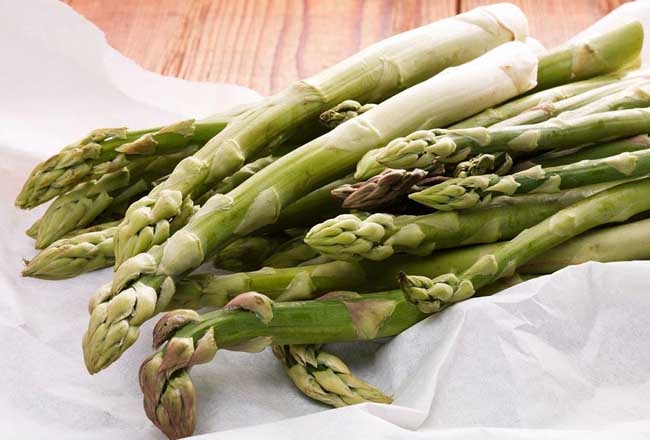
The Nutritional Value of Asparagus
Asparagus is rich in various amino acids, proteins and vitamins, all at higher levels than ordinary fruits and vegetables. In particular, the asparagine and trace elements such as selenium, molybdenum, chromium and manganese in asparagus have the effect of regulating body metabolism and boosting immunity, and have a strong inhibitory effect and pharmacological action in the prevention and treatment of hypertension, heart disease, leukemia, blood cancer, edema, cystitis and others. Every 100 grams contains 75 kJ of energy, 93 g of water, 1.4 g of protein, 0.1 g of fat, 1.9 g of dietary fiber, 3 g of carbohydrates, 100 micrograms of carotene, 17 micrograms of retinol equivalent, 0.04 mg of thiamine, 0.05 mg of riboflavin, 0.7 mg of nicotinic acid, 45 mg of vitamin C, 213 mg of potassium, 3.1 mg of sodium, 10 mg of calcium, 10 mg of magnesium, 1.4 mg of iron, 0.17 mg of manganese, 0.4 mg of zinc, 0.07 mg of copper, 42 mg of phosphorus, and 0.21 micrograms of selenium. The stems and leaves also contain rutin, quercetin and other substances that protect the elasticity of blood vessels.
The Growth Habits of Asparagus
1. Temperature: Asparagus is highly adaptable to temperature, being both cold-tolerant and heat-tolerant. It can be cultivated from the subarctic zone to the subtropical zone, but it is best suited to temperate zones with four distinct seasons and a pleasant climate. In high-cold regions, where the temperature reaches -33°C and the frozen soil layer is 1 m thick, it can still overwinter safely; the yield is low, but the quality is relatively good. The starting temperature for asparagus seed germination is 5°C, the optimum temperature is 25-30°C, and above 30°C the germination rate and germination vigor decline markedly.
2. Soil: Asparagus is suited to sandy loam rich in organic matter, and grows well in fertile soil that is loose, deep, retains fertilizer and water, and has good aeration. Asparagus can tolerate mild salinity and alkalinity, but when the soil salt content exceeds 0.2%, plant development is noticeably affected: the absorbing roots shrink, the stems and leaves become thin and weak, and the plant gradually dies. Asparagus has strong adaptability to soil pH; it can be cultivated in any soil with a pH between 5.5 and 7.8, with pH 6-6.7 being most suitable.
3. Water: Asparagus has a low transpiration rate and a well-developed root system, making it relatively drought-tolerant. However, excessive drought during the spear-harvesting period will inevitably lead to thin, weak tender spears and shrinkage of the growing buds, causing severe yield reduction. Asparagus is extremely intolerant of waterlogging; standing water causes root rot and death, so planting plots should be high and dry, and drainage should be attended to during the rainy season.
The Effects and Benefits of Asparagus
1. Refreshing the palate and cutting greasiness: Every Spring Festival, when relatives visit or banquets are frequent, and after eating large amounts of meat, fish and all kinds of seafood until one feels greasy, a plate of bright green asparagus will absolutely stand out on the table. Green asparagus is brightly colored and rich in vitamins and fiber, and can cut greasiness and promote bowel movements.
2. Lowering fat and aiding weight loss: Asparagus has the characteristics of low sugar, low fat and high fiber. It is also rich in trace elements; although its protein content is not high, the proportion of amino acids is appropriate, so eating it for weight loss has the effect of lowering blood lipids and promoting weight loss.
3. Preventing and treating diseases: The asparagine contained in asparagus has many special physiological effects on the human body. It hydrolyzes to produce aspartic acid, which can improve body metabolism, eliminate fatigue, enhance physical strength, and has a certain preventive and therapeutic effect on hypertension, heart disease, edema, nephritis, anemia, arthritis and others. In addition, the manganese in asparagus can improve fat metabolism and lower cholesterol, chromium can prevent and treat atherosclerosis, and molybdenum can block the synthesis of nitrite, which is harmful to the human body.
4. Lowering blood lipids: Experiments have shown that feeding Kunming mice a high-fat diet to induce hyperlipidemia, while also feeding them a fixed amount of commercially available canned asparagus, allows observation of the effect of asparagus on experimental hyperlipidemia in animals. The results show that asparagus can inhibit the rise of blood lipids and liver lipids, and has a certain therapeutic effect on animals with hyperlipidemia.
5. Preventing and fighting cancer: Asparagus has therapeutic effects on many types of cancer. This is mainly because the abundant histones it contains can promote normal cell growth and have the function of preventing the spread of cancer cells, and the selenium it contains can eliminate various harmful free radicals produced in the body and inhibit the activity of carcinogens. Asparaginase has been widely recognized as having the function of preventing and treating cancer and leukemia.
Common Ways to Cook Asparagus
1. Cold-dressed Asparagus
[Ingredients] 10 asparagus spears, 1 tablespoon peanut oil, 1 teaspoon sesame oil, 1 tablespoon light soy sauce, 1 teaspoon white sugar, 1 teaspoon salt, 2 cloves garlic, chopped
[Method] ① Wash the asparagus, remove the root ends, blanch in boiling water for one minute, then pour a teaspoon of salt into the boiling water. ② After one minute, remove the asparagus and immediately place it in cold water to soak for one minute. Remove, cut into two sections, and place on a plate. ③ In a small bowl, mix the light soy sauce, white sugar and sesame oil. ④ Put the peanut oil in a pan; after heating (do not let the oil get too hot), add the chopped garlic and fry for one second (do not burn it), then immediately pour the oil into the mixture in the small bowl, give it a stir, and pour it over the asparagus.
2. Bacon Asparagus Rolls
[Ingredients] 500 g Western-style cream bacon, 200 g minced river shrimp, 250 g asparagus, 200 g refined oil, an appropriate amount of cornstarch.
[Method] ① Cut the Western-style cream bacon into 12 cm lengths, lay flat on a cutting board, sprinkle with a little dry cornstarch, and spread the minced shrimp evenly on top. ② Wrap the bacon around 8 cm lengths of asparagus into rolls, deep-fry in oil at 50% heat until cooked, pour into a slotted spoon to drain off the oil, then put the asparagus rolls into the pan with the sauce and stir-fry quickly before plating.
3. White Asparagus Seafood Puff Pastry Cream Soup
[Ingredients] White asparagus tips, 1 chicken bone, 1 slice bacon, 2 potatoes, 100 g fresh cream, 2 egg yolks, an appropriate amount of salt, an appropriate amount of pepper, an appropriate amount of parsley, various seafood blanched in water.
[Method] ① Blanch the chicken bone briefly in boiling water, then prepare a pot of water; after the water boils, simmer the chicken bone and white asparagus tips together to make stock. ② Heat butter in a pan, add the chopped bacon and stir-fry until fragrant, then pour in the stock from ① and add the potato chunks, simmering together over low heat for 30 minutes. ③ Remove the solids and part of the broth from the pan, put them in a blender and blend into a puree; beat the egg yolks with the fresh cream into an egg mixture, then pour it into the soup and stir until evenly mixed. ④ Add the already blanched seafood, season with a little salt and pepper, and bring to a boil again. ⑤ Ladle the soup into Western-style soup bowls, sprinkle with parsley, brush the rim of the bowl with water, cover with frozen puff pastry and press firmly, brush the pastry with egg wash and sprinkle with a few black sesame seeds, then place in the oven and bake at 180 degrees until the pastry is golden and puffed up.
Asparagus Cultivation Techniques
1. Seedling-raising time: For open-field seedling raising, asparagus can be sown from early April to early August; for low-tunnel seedling raising, it can be done earlier in early March. The asparagus seedling plot should be sandy soil that is fertile, well aerated and has good drainage and irrigation conditions, and a plot with few weeds, especially few perennial weeds, should be chosen.
2. Seed treatment: Asparagus seeds have a thick coat with a fairly thick waxy layer, so they do not absorb water easily; they must be soaked to promote germination and treated with chemicals before sowing. Before sowing, soak them in warm water at 25-30°C for 3-5 days, changing the water 1-2 times a day. Once the seeds have absorbed enough water, remove them, mix with fine sand, place in a container, cover with a wet towel, and keep at 25-30°C to promote germination, turning them twice a day. After 5-8 days, once they have sprouted white, they can be sown.
3. Sowing the seeds: Raising asparagus seedlings for transplanting is the most commonly used method in production; it facilitates careful management during the seedling stage, gives a high emergence rate and uses less seed, and can shorten the root-stock growing period in the field, helping to improve land utilization. Usually, sowing can begin when about 10% of the seeds have sprouted. Before sowing, apply sufficient base fertilizer to the seedling plot, make flat beds 1.1 m wide, and sow by the single-seed method. The sowing depth depends on the temperature conditions, and the sowing density is 10×10 cm.
4. Transplanting technique: Before transplanting asparagus, first deep-plow and level the land, then open north-south trenches at a row spacing of 1.5 m, with a trench width of 40 cm and a depth of 40 cm. In the trenches, apply 5000 kg of high-quality organic fertilizer and 50 kg of nitrogen-phosphorus-potassium compound fertilizer per mu, mix with soil, and water the transplanting trenches to settle them. The transplanting time is generally early May; when the asparagus seedlings are 60-70 days old, have 4-5 strong shoots and a plant height of 15-20 cm, they can be transplanted. At transplanting, the row spacing is 150-160 cm and the plant spacing is 35-40 cm.
5. Replanting and watering: One month after transplanting asparagus, check the plants and fill in gaps. When replanting, water thoroughly at the base to ensure survival, and the replanted seedlings should still be planted in the oriented manner. Asparagus is relatively drought-tolerant, but timely watering is also a necessary condition for high asparagus yields. After transplanting, water promptly to help the seedlings recover, then cover with soil after the water has seeped in; afterward, water as appropriate according to weather conditions and changes in soil moisture. In summer and autumn, temperatures are high and water consumption is great, so the soil must be kept sufficiently moist to ensure normal plant growth. Before the winter freeze, water with overwintering water to help asparagus overwinter safely.
6. Reasonable topdressing: In the early stage after transplanting asparagus, light fertilizer should be applied frequently to promote early seedling growth. Fertilization is generally carried out once after each loosening of the soil and weeding and once before new stems emerge. Well-rotted light manure water is best, or apply 5 kg of compound fertilizer per mu. After autumn begins, apply one autumn-growth fertilizer, with 250-1000 kg of organic biological fertilizer per mu, or 10-15 kg of compound fertilizer, or a corresponding amount of urea and phosphorus-potassium fertilizer, and finish fertilizing by late October. After entering the spear-harvesting period, increase the number and amount of topdressing, and apply fertilizer in trenches along with water as conditions permit.
7. Disease control: The main diseases of asparagus are stem blight and brown spot. Control methods are mainly agricultural: thoroughly clean the garden in winter and spring, apply more organic fertilizer and potassium fertilizer to promote vigorous plants and enhance disease resistance, promptly clear standing water in the field, reduce the groundwater level and field humidity, and control the conditions for disease development. For chemical control, use 75% chlorothalonil at 600 times, 70% thiophanate-methyl at 800 times, or apply Bordeaux mixture, carbendazim and other agents to the stems to control stem blight.
8. Pest control: The main pests of asparagus are cutworms, mole crickets, wireworms and white grubs. Clean up the garden and fields well, remove weeds, and strictly prohibit the use of unrotted farmyard manure. If pests are found, dissolve 50 g of 90% trichlorfon crystals and mix evenly with 5 kg of roasted cornmeal to make poison bait, then scatter it in the affected area, about 25 g per small pile; or drench the roots with phoxim at 1000 times.