Giant onion planting tips: master these and the blooms will be rounder than a hydrangea's
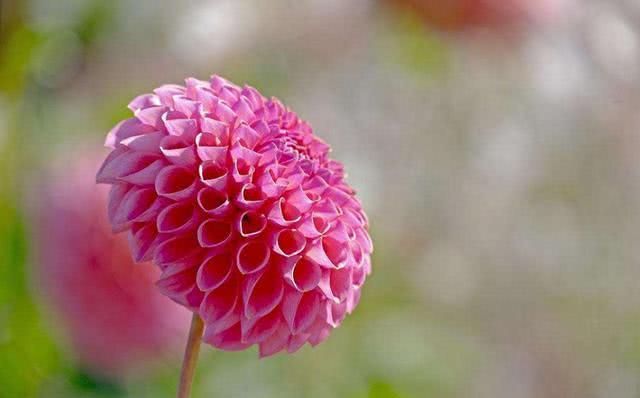
Giant onion is an Allium plant, it is edible and has very high ornamental value. Gardeners all know that hydrangeas are beautiful, but in fact giant onion is even better suited to courtyard planting, with blooms rounder than a hydrangea's, more like a ball. There are quite a few gardeners who admire this flower too. So how do you plant giant onion?
Planting time for giant onion
Giant onion is basically planted at the same time as onions, generally in September-October of the first year, so that it can sprout in the spring of the second year.
Planting giant onion by dividing the bulbs
Giant onion can also be planted by dividing the bulbs in summer and autumn, and generally it will bloom the following year. For planting, you need to choose fertile soil with good drainage, so as to avoid poor drainage causing the entire flower plant to rot.
Keep giant onion in sunlight
Giant onion likes sunlight, so it can be planted in a spot with good sunlight; do not plant it in a semi-shaded environment. You can maintain a temperature of 15-25°C, which is most suitable for giant onion growth.
Be careful to control water and fertilizer
The growth of giant onion needs water and fertility. When caring for giant onion, pay attention to watering and fertilizing, and also remember to loosen the soil for giant onion. Fertilizing about once every 2-3 weeks is enough; be careful to apply light fertilizer frequently.
Although the weather in winter is relatively cold, giant onion is basically not afraid of the cold, but it can be placed indoors for care. During the high temperatures of summer, it is necessary to shade it and spray water in time, which can reduce the plant's discomfort. Avoid high temperatures scorching the plant and causing it to wither and die. I hope this is helpful to gardeners.