What are the nutritional benefits of winter jujube? A detailed analysis in one article
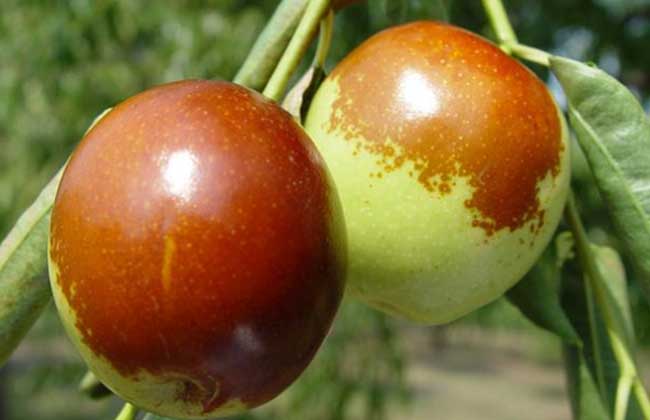
Since ancient times, winter jujube has been a royal tribute, produced in Huanghua, Hebei and other areas, with a history of a thousand years so far. It is a rare tree species at home and abroad, with a pure strain, enjoying the reputation of the king of white jujubes, and has won gold awards at home and abroad many times. It is rich in calcium, iron, zinc and other minerals, with a vitamin C content of 408 mg per 100 grams, ranking first among all fruits. Let us take a look at the nutritional value of winter jujube together!
The nutritional components of winter jujube
The nutritional components of winter jujube are very rich. The nutritional content per 100 grams of winter jujube is 105 kcal of calories, 1.8 g of protein, 0.2 g of fat, 27.8 g of carbohydrates, 3.8 g of dietary fiber, 0.17 mg of vitamin B, 0.51 mg of niacin, 29.9 mcg of folic acid, 243 mg of vitamin C, 0.19 mg of vitamin E, 16 mg of calcium, 29 mg of phosphorus, 195 mg of potassium, 33 mg of sodium, 17 mg of magnesium, 0.2 mg of iron, 0.19 mg of zinc, 6.7 mcg of iodine, 0.14 mcg of selenium, 0.08 mg of copper, 0.13 mg of manganese, and 69.5 g of water.
The nutritional value of winter jujube
1. Winter jujube contains rich vitamin C and vitamin P, and contains relatively high amounts of vitamin A, vitamin E, as well as potassium, sodium, iron, copper and other trace elements. It is very beneficial for strengthening capillaries, maintaining the elasticity of blood vessel walls, and resisting atherosclerosis.
2. Winter jujube contains rutin, and rutin is an effective drug for treating hypertension.
3. The cyclic adenosine monophosphate rich in winter jujube is an important physiologically active substance that participates in many physiological activities in the human body. It can regulate the immune system and has the effects of enhancing myocardial contractility, protecting the coronary arteries, lowering cholesterol, and inhibiting cancer cell proliferation.
4. Winter jujube contains rich sugars, vitamin C, cyclic adenosine monophosphate and so on, which can reduce the damage of various chemical drugs to the liver, promote the liver's synthesis of protein, increase serum albumin content, adjust the ratio of albumin to globulin, and lower serum alanine aminotransferase levels.
Dietary contraindications of winter jujube
1. Frequently eating winter jujube on an empty stomach may lead to gastric stones.
2. Winter jujube should not be eaten at the same time as animal liver.
3. Winter jujube is not suitable to be eaten at the same time as vitamins.
4. Winter jujube is not suitable to be eaten together with cucumber or radish.
5. Winter jujube is best not to be boiled in water.
6. Do not eat high-protein foods immediately after eating winter jujube.
7. Eating winter jujube is contraindicated when taking antipyretic drugs.
8. Winter jujube should not be eaten when taking bitter stomachic drugs and carminative stomachic drugs.