How Big Can Miniature Pigs Grow? A Full Breakdown of Adult Weight and Body Size
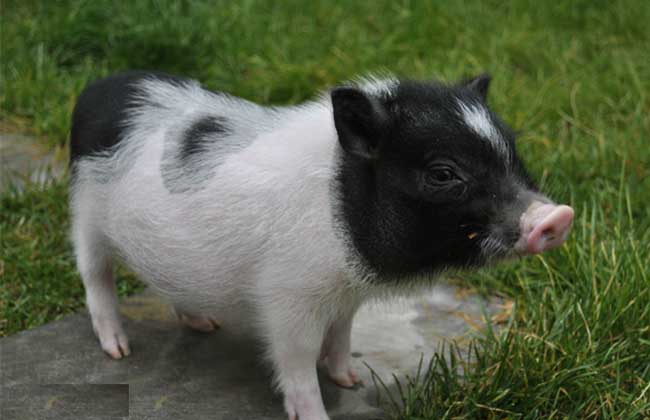
Miniature pigs are a micro pig breed, known for thick lean meat, fine fibers, small fat granules, a rich aroma, early maturity and easy breeding, and they rarely exceed 30 kg in weight. Pet miniature pigs generally do not exceed 20 kg. They are found only in our country worldwide, and there are many breeds, among which the most popular is undoubtedly the Bama miniature pig. Let's take a look below at how big miniature pigs can grow!
How big can miniature pigs grow?
Because the miniature pig breeds on the market are quite mixed, their size fluctuates considerably, but many miniature pigs can indeed be guaranteed to weigh only 5-10 kg at one year of age. A pet pig currently popular under the nickname “teacup pig” originated in the United Kingdom and is a breed produced by crossbreeding many meat-type pigs. At birth it weighs only about 255 grams and can even fit into a teacup. However, even the slower-growing “mini pig” ultimately does not have a body size as reliable as advertised. A large pot-bellied pig may grow to about 90-200 jin as an adult, while our country's Bama miniature pig can reach as little as 70-90 jin.
How much do miniature pigs sell for?
Generally speaking, the price of a male miniature pig is around 300-400, and the price of a female miniature pig is around 500-600. The editor reminds everyone not to be greedy for cheap prices, otherwise it is easy to buy fake miniature pigs. At the same time, according to the pricing of different merchants, French and Japanese miniature pig breeds should be a bit more expensive if they are purebred, but particularly cheap ones are certainly not purebred enough.
Food combinations for miniature pigs
1. Bran and husk feed: Bran and husk feed includes rice bran, wheat bran, sweet potato vine bran, peanut vine bran, broad bean leaf bran, soybean stalk bran, etc. The amount used for pigs is 10-15% of the total feed, and no more than 20% at most.
2. Cake and meal feed: Cake and meal feed mainly includes rapeseed cake, peanut cake, cottonseed cake, soybean cake, sesame cake, etc. The proportion of cake feed used for pigs is 10-25% of the total feed. Soybean cake and peanut cake are nutritious and can be included at 25%. Rapeseed cake and cottonseed cake should be below 10%. Rapeseed cake and cottonseed cake must be detoxified before use as feed, while other cakes only need to be steamed or stir-fried before being mixed and fed. Cake and meal feed should not be added to piglet feed.
3. Distiller's grains and residue feed: Distiller's grains and residue feed includes distiller's grains, bran residue, vinegar residue, starch residue, soybean residue, bagasse, etc. The amount used for pigs is 5-10% of the total feed. Pregnant sows and pigs in the late fattening stage should not be fed distiller's grains. All kinds of grains and residues must be cooked thoroughly before feeding.
4. Grain feed: Grain feed includes corn, barley, wheat, sorghum, broad beans, peas, etc. The amount used for pigs is 50% of the total feed, and no more than 60% at most.
5. Animal-based feed: Animal-based feed includes silkworm pupae, fish meal, bone meal, blood meal, feather meal, etc. The amount used for pigs is 4-8% of the total feed, and piglets should not be fed blood meal. In fattening pig feed, fish meal can be included at 10%; if silkworm pupae are included, fish meal can only be included at 5-6%. When using this type of feed, pay attention to getting the calcium-to-phosphorus ratio right.
6. Mineral feed: Mineral feed includes shell powder, eggshell powder, calcium carbonate, calcium phosphate and salt, etc. The amount used for pigs is 1-2% of the total feed, the amount of salt used should not exceed 0.5%, and if trace elements are added, they must be used strictly according to regulations.
7. Green and succulent feed: Green and succulent feed includes aquatic duckweed, water lettuce, water hyacinth, water peanut and the leaves and vines of crops, as well as alfalfa, vetch, etc. This type of feed is green, succulent, nutritious and easy to digest, and generally accounts for 40% of the total feed.