What are the prevention and treatment methods for porcine rotavirus disease?
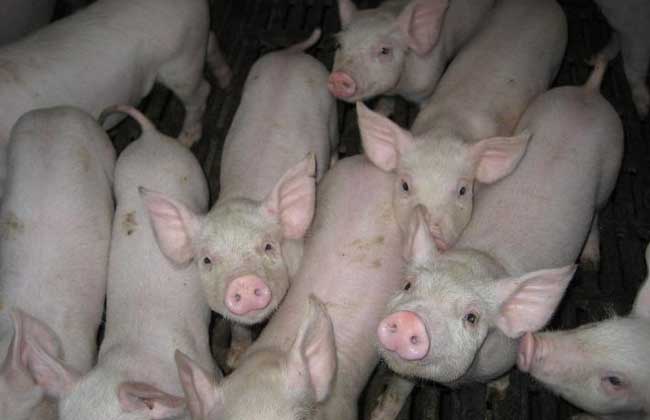
Porcine rotavirus disease is an acute intestinal infectious disease caused by porcine rotavirus. The main symptoms are anorexia, vomiting and diarrhea. In growing pigs and adult pigs it is a subclinical infection with no symptoms. Besides porcine rotavirus, rotaviruses isolated from children, calves, lambs and foals can also infect piglets and cause symptoms of varying severity. Let us take a look below at the prevention and treatment methods for porcine rotavirus disease.
Epidemiological characteristics of porcine rotavirus disease
Rotavirus mainly exists in the digestive tract of sick pigs and virus-carrying pigs. After being excreted into the external environment with feces, it contaminates feed, drinking water, bedding straw and soil, and infects susceptible pigs through the digestive tract route. Virus shedding can last for several days and can severely contaminate the environment. In addition, the virus has strong resistance to the external environment, causing rotavirus to circulate repeatedly among adult pigs and growing pigs and to become established in pig farms for the long term. In addition, humans and other animals can also spread the infection. It occurs mostly in late autumn, winter and early spring. Pigs of all ages can be infected, and in epidemic areas most adult pigs have already been infected and acquired immunity. Therefore, affected pigs are mostly piglets under 8 weeks of age. The younger the piglet, the higher the incidence rate. The incidence rate is generally 50-80%, and the case fatality rate is generally within 10%.
Clinical symptoms of porcine rotavirus disease
The incubation period of porcine rotavirus disease is generally 12-24 hours. It is often enzootic. Initially there is listlessness, poor appetite and unwillingness to move. Some piglets vomit after suckling, followed by diarrhea, with feces that are yellow, gray or black and watery or pasty. The severity of symptoms depends on the age at onset, immune status and environmental conditions. Piglets a few days old that lack maternal antibody protection have the most severe symptoms. When the environmental temperature drops or Escherichia coli disease occurs secondarily, symptoms are often aggravated and the case fatality rate increases. Usually piglets 10-21 days old have milder symptoms and recover after several days of diarrhea, piglets 3-8 weeks old have even milder symptoms, and adult pigs have subclinical infection.
Prevention and treatment measures for porcine rotavirus disease
1. Treatment: There is currently no specific therapeutic drug for porcine rotavirus disease. Once it is detected, stop milk feeding immediately and give the sick pigs free access to glucose saline or compound glucose solution (dissolve 43.20 g glucose, 9.20 g sodium chloride, 6.60 g glycine, 0.52 g citric acid, 0.13 g potassium citrate and 4.35 g anhydrous potassium phosphate in 2 L of water). At the same time, carry out symptomatic treatment, such as administering astringent antidiarrheal agents and using antibacterial drugs to prevent secondary bacterial infection. Generally good results can be obtained.
2. Prevention: Prevention of porcine rotavirus disease mainly relies on strengthening feeding management, conscientiously implementing general veterinary epidemic prevention measures, and enhancing resistance. In epidemic areas, rotavirus oil-adjuvant inactivated vaccine or porcine rotavirus attenuated bivalent vaccine can be used to vaccinate sows or piglets. The oil-adjuvant vaccine is injected intramuscularly at 2 mL into pregnant sows 30 days before farrowing. Piglets are injected once each at 7 days and 21 days of age, with the injection site subcutaneously at the Houhai acupoint (the depression between the tail base and the anus), 0.5 mL per pig each time. The attenuated vaccine is injected intramuscularly once each at 5 weeks and 2 weeks before farrowing, 1 mL per pig each time. At the same time, newborn piglets should be allowed to consume colostrum early to receive the protection of maternal antibodies, so as to reduce the incidence of disease and lessen the symptoms.