What categories are pig feeds divided into? A detailed introduction to common types
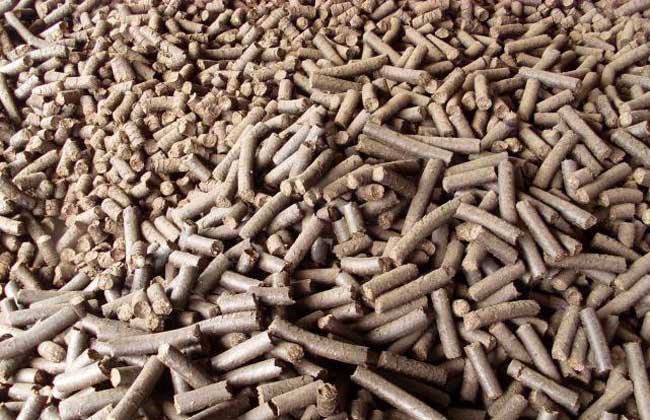
Pig feed is usually composed of 8 types, including protein feed, energy feed, roughage, green feed, silage, mineral feed and feed additives. By category, it is divided into complete feed, concentrated feed and premix, etc. Let's take a look together below!
Complete feed
Complete feed is a compounded feed composed of four parts: protein feed, energy feed, roughage and additives. The complete feed sold on the market is mainly granular feed processed and pelletized by machine, and part of it is extruded pellet feed. It can be directly used to feed the animals being raised and can fully meet the nutritional needs of the animals being fed.
Concentrated feed
Concentrated feed is premixed from protein raw materials and additives. When feeding, energy feed needs to be added. It has the advantage of being convenient to use and is suitable for large-scale farmers, especially those who have their own corn and other energy feed. There are currently at least 50 kinds of concentrated feed on the market.
Premix
Premix is the abbreviation of additive premixed feed. It is an intermediate compounded feed product made by mixing one or more trace components (including various trace mineral elements, various vitamins, synthetic amino acids, certain drugs and other additives) with diluents or carriers according to the required ratio and mixing them evenly. It is an important component of complete compound feed.
Nutritional classification
1. Roughage: refers to a type of feed in which the crude fiber content in dry matter is above 18%, mainly including hay, straw, agricultural and sideline products, as well as distiller's grains, leaves and others with a crude fiber content of 18% or above in dry matter.
2. Green feed: refers to a type of feed with a natural moisture content above 60%, including pasture, leafy vegetables, non-starchy roots, tubers, melons and fruits, aquatic plants, etc. The crude protein and crude fiber content after drying are not considered.
3. Silage: silage made from fresh natural plant-based feed, and silage with an appropriate amount of bran or other additives added, including semi-dry silage with a moisture content of 45%-55%.
4. Energy feed: refers to a type of feed in which the crude fiber content in dry matter is below 18% and the crude protein content is below 20%, mainly including cereals, bran, starchy roots, tubers, melons and fruits, oils and fats, grass seeds and tree fruits, etc.
5. Protein supplement feed: refers to a type of feed in which the crude fiber content in dry matter is below 18% and the crude protein content is above 20%, mainly including plant protein feed, animal protein feed, single-cell protein feed, etc.
6. Mineral feed: includes industrially synthesized or natural single mineral feed, mineral feed mixed with multiple minerals, and mineral additive premix with carriers or diluents added.
7. Vitamin feed: refers to artificially synthesized or purified single vitamins or compound vitamins, but does not include natural feeds with a relatively high content of a certain vitamin.
8. Additives: refers to various non-nutritive additive raw materials and their formulated products used to strengthen feeding effects and facilitate the production and storage of compound feed. Such as various antibiotics, antioxidants, mildew inhibitors, binders, colorants, flavor enhancers, and health and metabolism regulating drugs, etc.