What is the best time to breed a sow?
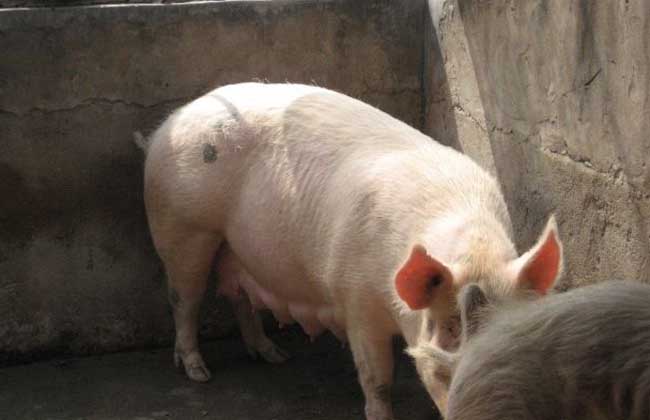
Characteristics of the sow estrous cycle: because the signs shown differ at different stages of estrus, within the sow's average 21-day estrous cycle (19-23 days), observing the symptoms of estrus in sows and seizing the best breeding time for sows in estrus is the key to improving the conception rate of sows and the productivity of the pig farm. Let's take a look below at the best time to breed a sow!
Characteristics of the sow estrous cycle
1. Proestrus: the sow behaves restlessly, the vulva swells and changes from pale yellow to red, and this change is more obvious in gilts; there is mucus secretion from the vagina, and its viscosity gradually increases. During this period the sow does not allow a person to ride on her back; it lasts an average of 2.7 days, and it is not suitable for insemination or breeding.
2. Estrus: lasts an average of about 2.5 days, characterized by the sow's vulval swelling and redness beginning to subside, and the secretions also becoming thicker with increased viscosity. At this time the sow allows back pressure without moving; during back pressure, the sow's ears stand up and point backward, and her hind legs are tense.
3. Metestrus: 1-2 days; the vulva of the sow in estrus returns completely to normal, and she does not allow the boar to mount.
4. Diestrus: 13-14 days; she returns completely to normal. Only during estrus does the sow allow the boar to mount, or what is called the standing response; this sexual behavior can serve as an indicator for timely insemination of the sow.
Best time to breed a sow
1. Sows that come into estrus within 4 days after weaning (early-estrus sows) generally begin ovulating 60-72 hours after the standing response appears, reach the site of fertilization in 30-45 minutes, and the ovulation period lasts 4-6 hours.
2. Sows that come into estrus 5-6 days after weaning (normal-estrus sows) generally begin ovulating 40-56 hours after the standing response appears, reach the site of fertilization in 30-45 minutes, and the ovulation period lasts 4-6 hours.
3. Sows that come into estrus more than 7 days after weaning (late-estrus sows) and gilts generally begin ovulating 16-28 hours after the standing response appears, reach the site of fertilization in 30-45 minutes, and the ovulation period lasts 4-6 hours.
4. The back-pressure reflex is the peak period of estrus in the sow, meaning that the sow's ovulation time is about to arrive; breeding during this period can improve the sow's conception rate and litter size.
What to do if a sow does not come into estrus
1. Mix levamisole into the feed to deworm the sow, 16 tablets per head, once a day, for 5 consecutive days.
2. For fat sows (which is the situation of most farmers raising sows), reduce the feed by half, and feed more green fodder to all sows on the farm.
3. For relatively thin and weak sows, feed a little more feed to increase nutrition and improve body condition.
4. Drive sows that do not come into estrus into the boar pen and let the boar mount and tease them, to promote estrus.
5. Use estrus-inducing litter-boosting agent (compound Epimedium injection), 10 ml per head by intramuscular injection, to induce estrus.
6. During estrus, inject Ovulation No. 3 injection intramuscularly to increase litter size.
7. Drive the sows to the exercise yard every day for more than 4 hours of exercise.
8. Add red soil or yellow soil and coal cinders to the corners of the pig pen or the exercise yard, to increase the sow's absorption of iron and other trace elements.
9. Provide supplementary light at night; light can stimulate the activity of ovarian function.