What are the main symptoms of swine flu? Farmers can understand it in one article
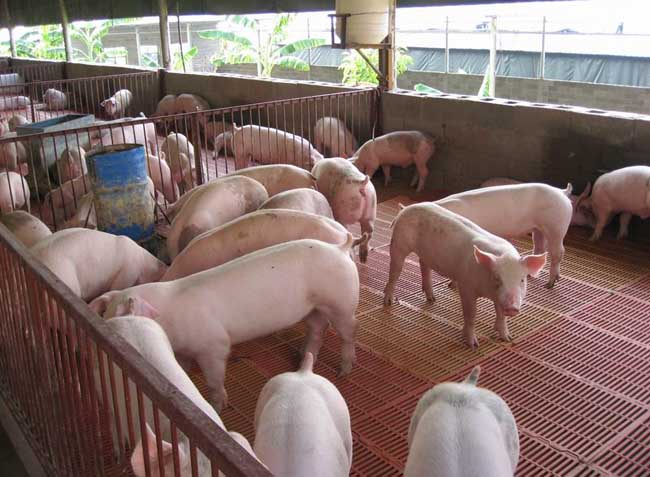
Swine flu has a high incidence rate, with an incubation period of 2 to 7 days and a disease course of about 1 week. In the early stage of the disease, sick pigs suddenly develop a fever, are listless, and have reduced or completely lost appetite. They often lie side by side together, are unwilling to move, have difficulty breathing, cough violently, and discharge mucus from the eyes and nose. If treatment is not timely during the onset period, it is prone to complicate with bronchitis, pneumonia, pleurisy, etc., increasing the mortality rate of pigs.
The body temperature of sick pigs rises to 40°C to 41.5°C. They are depressed, have reduced appetite or stop eating, have muscle pain, and are unwilling to stand. Viscous fluid flows from the eyes and nose, and the conjunctiva is congested. Some sick pigs have difficulty breathing, panting, coughing, abdominal breathing, and a sitting-like posture. At night, wheezing sounds from sick pigs can be heard. Some sick pigs have joint pain, especially pigs in better body condition are more severely affected.
Necropsy shows that the larynx, trachea, and bronchi are filled with mucus containing bubbles, the mucosa is congested and swollen, sometimes mixed with blood, the pulmonary interstitium is widened, the lymph nodes are enlarged and congested, the spleen is enlarged, the gastrointestinal mucosa has catarrhal hemorrhagic inflammation, and the thoracic cavity, abdominal cavity, and pericardial cavity accumulate fluid containing fibrinous material.
Pigs of all ages, sexes, and breeds are susceptible to swine flu virus. The prevalence of swine flu has obvious seasonality, and it is prone to occur in late autumn with changeable weather, early spring, and cold winter. Swine flu spreads rapidly and often occurs as an endemic or pandemic. Swine flu has a high incidence rate and low mortality rate (4% to 10%). Sick pigs and virus-carrying pigs are the sources of infection for swine flu. After recovery, pigs carry the virus for 6 to 8 weeks.
The incubation period of swine flu is very short, from a few hours to several days, with an average of 4 days when naturally occurring. In the early stage of the disease, the body temperature of sick pigs suddenly rises to 40.3 to 41.5°C, they are anorexic or completely lose appetite, extremely weak or even exhausted, and often lie on the ground. Breathing is rapid, abdominal breathing, and paroxysmal coughing occur. Mucus flows from the eyes and nose, and nasal secretions are sometimes bloody. Sick pigs lie crowded together and are difficult to move. The muscles feel stiff and painful when touched, diaphragmatic spasms occur, and breathing is interrupted, commonly called hiccups. If there is secondary infection, the condition worsens, and fibrinous hemorrhagic pneumonia or enteritis occurs. If sows are infected during pregnancy, the piglets born develop severe disease 2 to 5 days after birth, and some die during lactation and before or after weaning.