How to prevent and control swine enzootic pneumonia? A detailed explanation of practical technical points
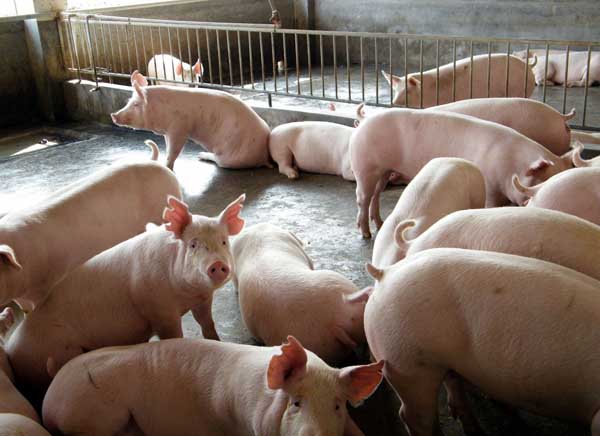
Swine enzootic pneumonia, also known as Mycoplasma hyopneumoniae infection, is a chronic respiratory infectious disease of pigs. The main clinical symptoms of this disease are coughing and panting, and the pathological changes are mainly located within the thoracic cavity. The lungs are the main organ affected. Acute cases are mainly characterized by pulmonary edema and emphysema; subacute and chronic cases show "shrimp flesh"-like consolidation of the lungs. Affected pigs grow slowly, have low feed conversion efficiency, and the fattening period is prolonged.
Epidemiology of swine enzootic pneumonia
Swine enzootic pneumonia occurs only in pigs. Pigs of different breeds, ages, and sexes can all be infected, among which suckling pigs and young pigs are most susceptible, with higher morbidity and mortality. Next are sows in late gestation and lactating sows, while fattening pigs are less affected. Sows and adult pigs mostly show chronic and subclinical infections.
Diseased pigs and carrier pigs are the source of infection of this disease. The pathogen exists in the respiratory tract and secretions of diseased pigs and carrier pigs, and persists in the pig body for a very long time; diseased pigs can still shed the bacterium from half a year to more than a year after symptoms disappear. Outbreaks on pig farms are mainly caused by purchasing subclinically infected pigs from outside, and suckling piglets are often infected from affected sows. The respiratory tract is the route of transmission of this disease. The pathogen is expelled from the body with the secretions from coughing, panting, and sneezing of diseased pigs, forming droplets, and infects healthy pigs through the respiratory tract. This disease has an obvious seasonality, occurring more commonly in winter and spring. In new epidemic areas, it often presents as an explosive epidemic, with severe symptoms, and both morbidity and mortality are relatively high, mostly with an acute course; in old epidemic areas, it often presents as a chronic course, with inconspicuous symptoms and low mortality. Sudden climate changes, cold and damp conditions, poor feeding management and sanitation conditions, and secondary infections can worsen the condition and increase mortality. With the rise of large-scale pig farming, swine enzootic pneumonia has shown new epidemiological characteristics, which are introduced as follows:
1. The morbidity of piglets has increased, and adult pigs mostly show subclinical infections. In the past, pigs of different ages could all be infected and develop the disease, and subclinical infections in fattening pigs were relatively few. The morbidity of piglets has shown an increasing trend, especially during the weaning period of piglets at 25-45 days of age, when stress responses caused by grouping, feed changes, and changes in the rearing environment lead to a decline in disease resistance of piglets, making them prone to this disease, and both morbidity and mortality are higher than in other periods. The pathogen of swine enzootic pneumonia is widely distributed on some pig farms, and most adult pigs show subclinical infections.
2. The morbidity on large-scale farms has increased, and the affected area has expanded. With the development of large-scale pig farming, long-distance introduction of breeding stock and circulation are frequent, but during the process of introduction and circulation transactions, due to lax quarantine control and failure to strictly implement origin quarantine and laboratory testing in accordance with quarantine procedures, "diseased pigs" cannot be accurately identified, causing many subclinically infected pigs carrying pathogenic microorganisms to spread the pathogen across regions, leading to large-scale prevalence of this disease on some pig farms; at the same time, because large-scale farms have relatively high stocking densities and poor feeding management, the incidence is far higher than that of backyard raisers.
3. The onset season is obvious, and mixed infections are predominant. In winter and spring, due to lower temperatures, many farms neglect ventilation in order to ensure the temperature of the pig house, resulting in decreased air quality, which most easily induces this disease. Epidemiological surveys show that this disease is most likely to occur on pig farms with poor feeding management and sanitation conditions. For example, some pig farms do not carry out strict epidemic prevention and disinfection, resulting in severe environmental pollution on the farm, with multiple pathogens persisting for a long time, and the pig herd being in a subclinically infected state; once the body's resistance declines, mixed infections can be caused, resulting in the simultaneous occurrence of multiple diseases, thereby increasing the difficulty of prevention and control.
This disease is more common in the cold seasons of winter and spring, and can occur in all four seasons. Poor ventilation in pig houses, overcrowding of pigs, sudden climate changes, damp and cold conditions, and poor feeding management and sanitation conditions can promote the occurrence of this disease and worsen the condition; if there is secondary infection, the condition is even more severe. Common secondary pathogens include Pasteurella, pneumococcus, and others. When this disease first occurs on a pig farm, it often presents as an explosive epidemic, mostly with an acute course, severe symptoms, and high mortality. On pig farms in old epidemic areas, it is mostly a chronic or subclinical course, with inconspicuous symptoms and low mortality.
Prevention and control measures for swine enzootic pneumonia
1. Adhere to self-breeding and self-rearing, and strictly prevent the introduction of diseased pigs from outside. If introduction is necessary, strict isolation and quarantine must be enforced (observation period of at least two months), and corresponding disinfection management must be done well at the same time.
2. Ensure reasonable nutrition for the pig herd at all stages, and avoid feed spoilage and deterioration: control the micro-environment in accordance with seasonal changes, strictly control stocking density, implement an all-in-all-out system, and regularly alternate the use of various chemical disinfectants for disinfection.
3. Vaccine immunization: The vaccine must be injected into the thoracic cavity; intramuscular injection is ineffective; note that within 15 days before vaccination and within two months after vaccination, do not feed or inject drugs that inhibit the vaccine, such as oxytetracycline and kanamycin.
4. Because Mycoplasma hyopneumoniae can alter surface antigens and cause immune escape, leading to weakened immunity, pig farms need to combine drug prevention and control. One treatment course is generally 3-5 days, especially for the medicated feed purification of pregnant sows; the piglets they produce should be raised separately and not retained for breeding. Farms with the necessary conditions should implement early isolation weaning to reduce the contact time between sows and piglets as much as possible.
5. Drug prevention and purification: For producing sows, water-soluble amoxicillin 250 micrograms + tiamulin 100 micrograms + doxycycline 100 micrograms, mixed into feed and fed for one week before and one week after farrowing. Piglets: inject long-acting oxytetracycline 0.2 milliliters per kilogram of body weight on days 3, 7, and 21 after birth. Nursery pigs: during the transfer stage, compound tilmicosin premix, each bag (40 grams) mixed into 80 kilograms of feed, fed continuously for 15 days. Replacement gilts: water-soluble amoxicillin 250 micrograms + tiamulin 100 micrograms + doxycycline 100 micrograms, fed for one week each month until mating. Finishing pigs: administer preventive medication for 1 week at 13 and 18 weeks of age respectively. For affected pigs, tylosin + Houttuynia cordata injection (0.2 milliliters per kilogram of body weight), intramuscular injection. When secondary infection occurs, combine with antiviral No. I intramuscular injection, and compound tilmicosin premix (40 grams mixed into 40 kilograms of feed for 1 week).
Folk remedies for swine enzootic pneumonia
In early summer, the temperature alternates between hot and cold, and the temperature difference between morning and evening is relatively large, making it easy for bacteria and viruses to grow and reproduce. If pig farmers do not manage properly, it can very easily cause the occurrence of swine enzootic pneumonia. Swine enzootic pneumonia is a contact infectious disease of pigs caused by Mycoplasma hyopneumoniae, and its main characteristics are coughing, panting, and difficulty breathing. Although the mortality of this disease is not high, it has a great impact on the growth and development of affected pigs. Under poor feeding management conditions, in the early stage of an explosive epidemic, and when there is secondary infection by other pathogens, it can also cause serious death. In long-term production practice, people have achieved good results in treating swine enzootic pneumonia with Chinese herbal medicines, which are introduced as follows for the reference of pig farmers.
1. Two toads, roasted and ground into powder, 5 grams each time mixed into feed and fed, continuously for 15 days.
2. Houttuynia cordata 25 grams, decocted in water, administered orally when warm, once daily, 3 times as one treatment course.
3. Turtle shell 30 grams, roasted until scorched and ground into powder, taken with warm water. Descurainia sophia seeds 30 grams, ground into powder and mixed into feed for oral feeding.
4. Whole Trichosanthes fruit 3 pieces, honey and mulberry bark 120 grams each, decocted in water for oral administration.
5. Rock sugar and fried bitter apricot seed 30 grams each, ground into powder, divided into 2 doses and mixed into feed for oral administration.