Why do suckling piglets need creep feed?
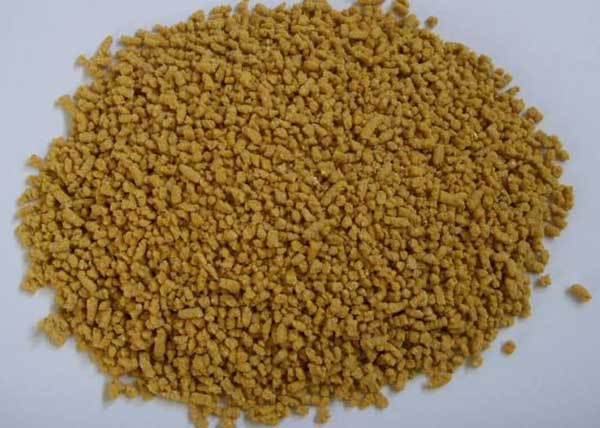
Creep feed is a feed product for the suckling piglet stage, and it is also a special feed product with high nutritional content for the period from birth to 4 weeks of age of suckling piglets. It is also called artificial milk, starter feed, and so on. Creep feed for suckling piglets is the first feed in a pig's life.
The role of creep feed
1. Shortening the suckling period of piglets: weaning time is reduced from the traditional 45-60 days to 21-28 days. In traditional weaning, using creep feed can overcome the problem of insufficient sow milk and the drop in weaning weight of piglets. But today, with the rapid development of breeding, reproduction and feed technology, many farms often wean at 3-4 weeks of age, and at this time creep feed can not only increase the weaning weight of piglets, but also avoid weaning stress in piglets and create a stable growing environment.
2. Improving the reproductive efficiency of sows: because the suckling period of piglets is shortened, foundation sows can shorten the reproductive interval, increasing from the original two litters per year to six litters every two years.
3. Increasing growth speed and reducing the time to market
4. Reducing the chance of disease infection
5. Improving the utilization rate of pig-raising facilities and labor productivity
Types of creep feed for suckling piglets
The main types of creep feed used in suckling piglet production are pellets, crumbles, powder and liquid, 4 forms. In actual production, the first 3 are used the most, and only a few large pig farms use liquid creep feed.
Advantages of creep feed for suckling piglets
Shortening the suckling period of piglets: weaning time is reduced from the traditional 45-50 days to 21-28 days; improving sow reproductive efficiency, from the original fewer than 2 litters per year to 2.4-2.6 litters; increasing the growth speed of piglets (especially 7 days after weaning) and reducing weaning stress; reducing the contact time between piglets and sows and the chance of disease infection; improving the utilization rate of pig-raising facilities and labor productivity.
How to feed creep feed
1. Timing. The timing for using creep feed runs from 7 days after piglet birth to about 14 days after weaning at about weight IO; from 7-14 days after birth, feed a small amount each day to induce eating, and from 14 days to before weaning feed an appropriate amount 4-5 times per day. Through these two stages, ensure successful creep feeding of piglets, and 10-14D after weaning gradually transition to nursery feed.
2. Methods
The following two methods are mainly used for creep feed: free-choice feeding and meal feeding. Free-choice feeding means adding enough feed at regular times, and each time feed is added, promptly remove residual contaminated feed.
Meal feeding is 4-6 meals a day, with small amounts fed frequently. When feeding creep feed early, you can drench a few pellets when giving health injections or vaccination injections; mix into a paste and smear it on the sow's teats so that piglets eat the feed while nursing; mix with water and feed at a 4:1 ratio into a paste for drenching; first give piglets a small amount of pellets, and after a short pause let them nurse. Pig farms can choose suitable methods according to their own management conditions, and must go from less to more, gradually increasing the amount; during the supplemental feeding period, provide sufficient clean drinking water. In actual production, liquid feeding is better than wet mash feeding, and wet mash feeding is better than pellets.
Precautions
After opening a bag of feed and taking out feed, promptly tie the bag opening tightly, and the shelf life is generally 45-60 days, to prevent deterioration from moisture absorption. Keep the trough and environment clean to prevent feed contamination. When feeding, ensure piglets can drink clean water. Feed small amounts frequently and gradually transition the feed. Pay attention to keeping piglets warm.