What Are the Prospects for Fragrant Pig Farming? Market Benefits and Potential Analysis
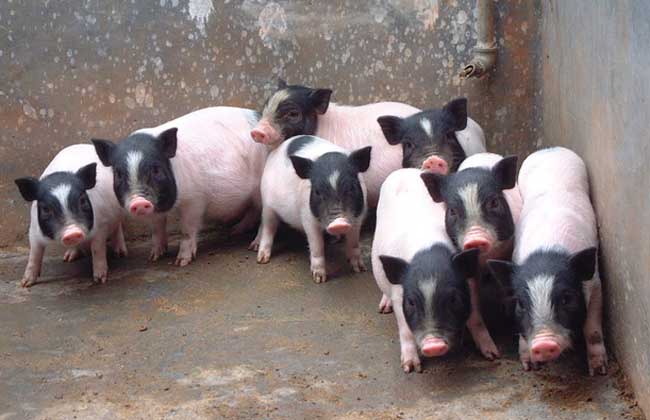
The fragrant pig, also known as the mini pig, is most famous in the forms of the Congjiang fragrant pig and Jianbai fragrant pig from the Qiandongnan region of Guizhou, which was awarded the title "Hometown of Chinese Fragrant Pigs" by the national agriculture department, and the Bama fragrant pig from Guangxi. Because fragrant pig farming has low costs and high prices, and market prices have been climbing steadily over the past two years, fragrant pig farming has become a wealth-building project unanimously favored by the breeding industry, and its prospects are highly regarded.
Farming Prospects for Fragrant Pigs
1. Green food: In recent years, issues such as veterinary drug residues in meat and clenbuterol have become a major problem for food safety, and people are paying more attention to green meat products. Fragrant pig meat is high in protein and low in energy, nutritionally comprehensive, and rich in essential amino acids and trace elements, which fits well with the modern lifestyle concept, so it is highly favored by consumers.
2. New pet star: Through selective breeding of the Bama fragrant pig, it can be developed into a family pet. It can also be trained and conditioned as a customs animal.
3. Medicinal value: Fragrant pigs that have not been crossbred have stable genes and breeds and good disease resistance, laying the foundation for medical use. The placenta and skin of fragrant pigs are used to develop anti-aging placenta extract, medical cotton, face masks, and more. It is understood that in the future it may even be possible to use fragrant pig blood to produce human blood, or even for organ transplantation. Once these technologies mature, the value of fragrant pigs will increase dozens of times over.
Farming Benefits of Fragrant Pigs
1. Tolerant of coarse feed: Fragrant pigs are mainly raised by grazing and often eat wild grass, fragrant rice grain, and other green forage, which gives the suckling pig meat a special aroma. Each replacement sow (2 to 4 months old) consumes an average of 0.2 kg of concentrated feed and 1 kg of green forage per day. Pregnant and lactating sows consume an average of 0.4 kg of concentrated feed and 2 kg of green forage per day, so feed consumption is low.
2. Strong adaptability: Fragrant pigs have strong adaptability to climate and rarely get sick, but they are timid and easily startled, and prone to running away, so the pens must be relatively high, the environment quiet during rearing, and the exercise area fairly large.
3. Easy to manage: Fragrant pigs reach sexual maturity early, tolerate inbreeding, and have stable heredity. Boars at 2 months old and 8 kg in weight already show mounting behavior, and mating is carried out at 3 months old. Sows come into estrus at 3 months old and can be mated at 4 months old, with an average of 7 to 10 piglets per litter. The best ratio of males to females is 1:8 (10).
4. Slow growth: Fragrant pigs have the characteristics of rapid early growth and putting on fat while growing. Birth weight is 0.3 to 0.5 kg, average weight at 60 days weaning is about 5 kg per pig, and adult pigs weigh only 15 to 38 kg. Generally, suckling pigs raised to 5 to 7 weeks of age are the most suitable for slaughter.
Key Points for Farming
1. Pig breed selection: When introducing breeding stock, strictly examine the appearance, growth and development, bloodline, and presence of genetic defects, requiring clear breed characteristics and strong reproductive function, and bring back the pig breed pedigree cards for keeping on file.
2. Local environment: The fragrant pigs introduced must match the local people's living and consumption level and the needs of economic development. At the same time, understand the characteristics of the breed, climate, and feeding management, so as to determine the acclimatization measures after introduction and create the necessary feeding and management conditions; only then can the farming benefits of fragrant pigs be guaranteed.
3. Timing of introduction: It is best to introduce fragrant pigs in late spring, so that after a warm summer they pass through autumn and winter as temperatures gradually drop. Cold protection work should be done after the onset of winter so they gradually adapt to the local natural conditions.
4. Pig age: It is best to introduce young pigs around 4 months old or slightly older. At the young stage, pigs have strong adaptability and readily accept changed external living conditions. Newly introduced breeding stock should not be fed in scattered groups; they should be concentrated in 1 or several pig farms, raised under good feeding and management conditions, with observation records kept, and breeding and selection work done well, then gradually spread once they have adapted.
5. Epidemic prevention and disinfection: When introduced from other places, they must be kept in centralized isolation for 1 to 2 months, with strengthened epidemic prevention and disinfection, and attention to eliminating and preventing the threat of local parasitic diseases and infectious diseases, to ensure the safety of the introduced breeding stock.