2016 Beef Cattle Farming Prospect Analysis: Is Raising Cattle Profitable?
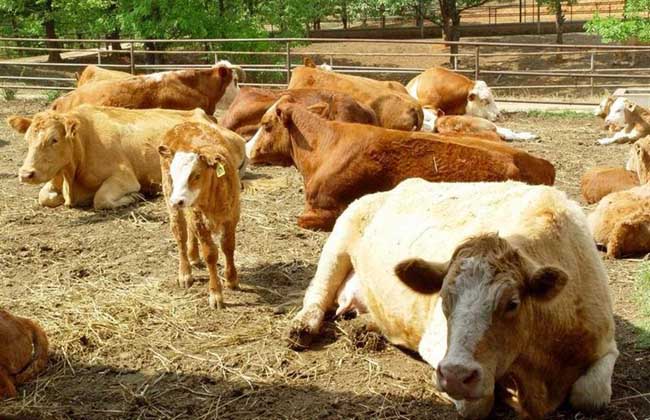
What are the prospects for beef cattle farming in 2016? Currently, the market prices of pigs and chickens fluctuate wildly and are the most unstable, while beef prices have been soaring all the way. In recent years, there have never been very abnormal price fluctuations of rising and falling. At present, cattle farming is being vigorously promoted across the country, and the prospects for beef cattle farming in 2016 are very promising.
Abundant Profits
Beef cattle farming differs from other farming projects. Because cattle have very robust constitutions and relatively strong natural resistance, the work of disease prevention is also relatively easy. Cattle are also simpler to feed. Cattle are herbivores, and they eat a lot of fresh grass every day, which saves a great deal on costs, allowing many farmers to achieve the effect of small input and big returns.
Policy Support
With the further strengthening of national fiscal investment, beef cattle farming is receiving more and more attention. At present, beef cattle farming includes the following aspects: the scaling-up of farming sites and the rationalization of farming feed. Beef cattle farming is now no longer just a matter for one household; the government has joined in and is actively promoting the scaling-up of local beef cattle farming, and continues to increase its support.
Market Prospects
China currently has 138 million head of cattle on hand, and beef output has reached 6.759 million tons, making it the world's fourth-largest beef producer. However, per capita beef output is only 4.3 kg, lower than the world average of 9.8 kg, and even lower than the per capita output levels of some major beef-producing countries. Therefore, the consumption potential is still very large. Data shows that over the past 15 years, national beef consumption has been growing rapidly, while cattle inventory has basically not changed in 15 years, and the beef gap is growing larger and larger. In the coming years, beef prices will remain very firm, because the problem of production efficiency is difficult to solve in a short time. This is a rigid increase, and this shortage will become a norm in the future, so fierce competition in the beef market is not hard to foresee. As things stand now, because the domestic supply-demand gap is relatively large, domestic farming enterprises simply cannot swallow this big cake, nor can they meet market demand, and the state may increase import volumes given the overall situation. Even with large imports of beef and mutton from abroad, related domestic enterprises are currently still unaffected. At present, raising beef cattle in China requires no worry about sales channels, let alone price issues, especially for large-scale farming; many slaughterhouses or meat processing plants will come to your door on their own initiative!
Risk Warnings
Although the prospects for beef cattle farming are quite good, at present, in domestic beef cattle farming, the selection of cattle breeds and the quality control of introduced calves are very worrying! At present, a portion of the cattle on the market were introduced from the Northeast and are being concentratedly pushed onto the market. They are not local cattle, so the breeds are not very pure. When introducing breeding stock, you must choose a good enterprise. After going through several rounds of hardship, the cattle are relatively seriously injured and sick, but when choosing, it is generally very difficult for you to tell. Therefore, the current domestic farming industry needs strict control over breeds and cattle quality in order to ensure the ultimate benefit of farmers!
Suggestions: Cattle purchasing is risky, so raise them carefully, select superior breeds, and prevent disease! In the long run, China's beef cattle industry faces a rare development opportunity and severe challenges. But the opportunities are potential, while the challenges are real. To seize opportunities and meet challenges, the key lies in relying on scientific and technological progress in the beef cattle industry, using high and new technology to transform the traditional beef cattle industry, improving product quality and efficiency, promoting the development of beef cattle industrialization, and comprehensively enhancing the international competitiveness of the beef cattle industry. Compared with developed countries, China's beef cattle industry is actually still at a primary-stage level, with still great room for development. In the not-too-distant future, the beef cattle industry will certainly, like today's dairy cattle industry, hold a pivotal position in the national economy.