How to prevent and treat ketosis in dairy cows? A detailed guide to practical methods
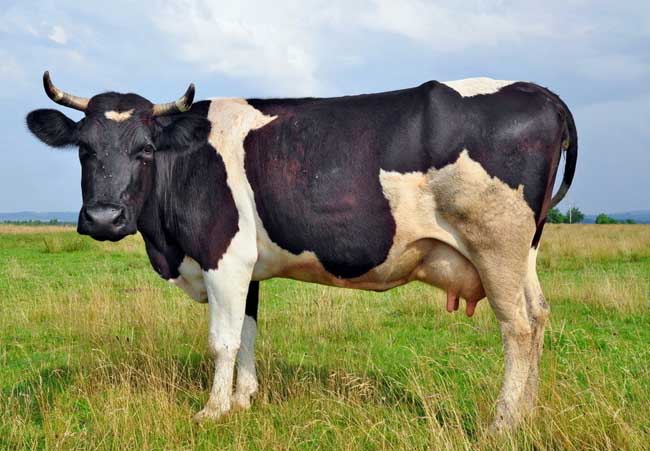
Ketosis in dairy cows is mostly caused by improper feeding, with excess protein and fat in the feed and insufficient carbohydrates and vitamins, which lowers blood sugar, enhances hepatic gluconeogenesis, and produces large amounts of ketone bodies, leading to disease. Insufficient exercise in high-yielding dairy cows, as well as liver disease or insufficient insulin production, also often cause this disease.
Symptoms of ketosis in dairy cows
1. Indigestion type: At the beginning of the disease, the dairy cow shows poor appetite, followed by reduced rumination, weakened rumen motility sounds, and dry hard feces or diarrhea that is small in amount and foul-smelling. Most dairy cows show a drop in milk yield, with no obvious changes in the udder; the milk easily forms foam, resembles colostrum, and has a peculiar acetone odor. In the later stage, the area of liver dullness expands, and body temperature is normal or slightly low. The respiratory rate decreases, with abdominal breathing.
2. Nervous type: In the early stage, there is restlessness and agitation, hyperacusis, a fierce gaze or nystagmus, and masseter muscle spasms; sometimes the cow keeps chewing without eating and drools. Some charge about wildly and are violently restless. After these symptoms last one or two days, they turn into a depressed state, with the head held low, dull reflexes, listlessness, and a staggering gait. In some cases, the later stage closely resembles postpartum paralysis, and a comatose state often occurs.
3. Clinical type: Only elevated blood ketones are seen, with mild loss of appetite, low milk yield or low milk fat, and no other obvious symptoms, making it the most easily overlooked.
Prevention and treatment methods for ketosis in dairy cows
1. Improve feeding and adjust the ration. Stop feeding or feed less legume concentrate, give easily digestible carbohydrate feed, appropriately reduce the amount of silage fed, provide more green hay, and drive the dairy cow to increase exercise.
2. Supplement blood sugar and raise blood glucose levels. Intravenously inject 500-1000 ml of 25%-50% glucose solution, or intraperitoneally inject 20% glucose solution.
3. Neutralize blood acidity. A 5% sodium bicarbonate solution (soda solution) 300-500 ml and 20% Annaca injection 10-20 ml can be mixed and given by intravenous drip once daily; or 20-30 g of sodium bicarbonate can be given orally 2-3 times daily.
4. When the affected cow is comatose, insulin 80-100 units can be injected subcutaneously, and a large dose of 5% glucose solution (approximately more than 2000 ml) can be given by intravenous drip.
5. For the nervous type, 100-200 ml of 8% chloral hydrate magnesium sulfate solution can be given by intravenous drip.
6. Take 200 g each of brown sugar and white sugar, 50 g of ginger, and 10 jujubes, decoct into a soup and drench, once each in the morning and evening, and use continuously for 10 days.