What are the prevention and treatment methods for colibacillosis in calves?
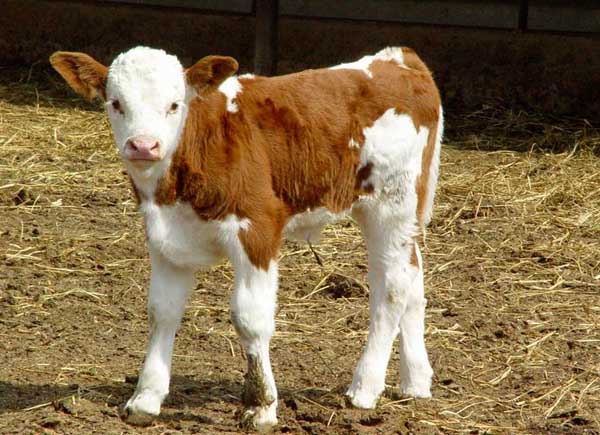
Colibacillosis in calves, also known as calf white scours, is an acute infectious disease caused by certain serotypes of Escherichia coli. E. coli is widely distributed in nature; shortly after birth, animals acquire it from milk or other food into the gastrointestinal tract, where it becomes part of the normal flora. In newborn calves, the disease can be triggered when resistance is lowered or digestive disorders occur. The main route of transmission is through the digestive tract, though intrauterine infection and umbilical infection can also occur. This disease mostly affects newborn calves within two weeks of age.
Causes of colibacillosis in calves
1. Calves are not fed colostrum after birth, or the amount of colostrum fed is insufficient. The cow is weak, malnourished, with insufficient or deficient minerals and vitamins.
2. The calf shed is cramped, with excessive animal density; the shed is dark and damp, with insufficient sunlight, poor cold protection, calves catch cold, and umbilical disinfection is not strict, etc.
Diagnostic techniques for colibacillosis in calves
A comprehensive analysis and judgment can be made based on clinical symptoms, epidemiological situation, feeding conditions and necropsy changes. Clinical manifestations can be divided into three types:
1. Septicemic type: also called pyemic type. The incubation period is very short, only a few hours. It mainly occurs in calves within 3 days after birth; E. coli enters the bloodstream through the digestive tract, causing acute septicemia. Onset is rapid and the course is short. Manifestations include elevated body temperature, listlessness, refusal to suckle, and most have diarrhea, with feces resembling egg-drop soup, pale grayish-white. The limbs are weak and the calf lies down unable to stand. It mostly occurs in calves that cannot get colostrum. The septicemic type progresses rapidly and often causes death within 1 day after onset.
2. Toxic type: also called enterotoxemic type, this type is relatively rare. It is mainly caused by massive proliferation of E. coli in the small intestine and production of toxins. In acute cases, the calf dies suddenly without showing symptoms. In those with a slightly longer course, typical toxic neurological symptoms can be seen: first restlessness and excitement, then depression, progressing to coma and then death.
3. Enteritis type: also called intestinal type, with a slight rise in body temperature, mainly manifesting as diarrhea. Initially the feces are pale yellow, porridge-like, and foul-smelling, then become watery, pale grayish-white, mixed with blood clots, blood streaks and gas bubbles. In severe cases, dehydration occurs, the calf lies down unable to stand, and the whole body becomes weak. If not treated in time, death often results from prostration or secondary pneumonia. A few cases may recover spontaneously, but later growth is retarded. Necropsy mainly shows gastroenteritis changes.
Treatment methods for colibacillosis in calves
The treatment principles for this disease are antibacterial therapy, fluid replacement, regulation of gastrointestinal function and adjustment of intestinal microecological balance.
1. Antibacterial: chloramphenicol, oxytetracycline, streptomycin or neomycin can be used. The initial oral dose is 30-50 mg per kg body weight. After 12 hours the dose can be halved, continued for 3-5 days. Or inject intramuscularly at a dose of 10-30 mg per kg body weight, twice a day.
2. Fluid replacement: warm the rehydration solution so that it approaches body temperature. The amount of fluid replacement depends on the degree of dehydration; in principle, replace as much water as has been lost. When there is appetite or the calf can suckle on its own, oral rehydration salts can be used. Oral rehydration salt formula: sodium chloride 1.5 g, potassium chloride 1.5 g, sodium bicarbonate 2.5 g, glucose powder 20 g, warm water 1000 mL. When the calf cannot suckle on its own, 5% glucose saline or compound sodium chloride solution 1000-1500 mL can be injected intravenously. When acidosis occurs, 5% sodium bicarbonate solution 80-100 mL can be used. The injection speed should be slow. If an appropriate amount of cow blood can be added, so much the better; subcutaneous or intravenous injection, 150-200 mL at a time, can enhance disease resistance.
3. Regulation of gastrointestinal function: mix 2 g lactic acid, 20 g ichthammol, and 90 mL water evenly, administer 5 mL each time, 2-3 times a day. Protective agents and adsorbents can also be given orally, such as bismuth subnitrate 5-10 g, kaolin 50-100 g, activated carbon 10-20 g, etc., to protect the intestinal mucosa, reduce toxin absorption, and promote early recovery. Some use compound sulfamethoxazole, 0.06 g per kg body weight, lactobacillus tablets 5-10 tablets, dried yeast 5-10 tablets, mixed and given orally at one time, twice a day, for 2-3 consecutive days, with good efficacy.
4. Adjustment of intestinal microecological balance: when the condition has improved somewhat, antibacterial drugs can be stopped, and ecological preparations that regulate intestinal microecological balance can be given orally. For example, Cuijunsheng 6-12 tablets, combined with lactasin 5-10 tablets, twice a day; or Jianfusheng 1-2 packets, twice a day; or other Lactobacillus preparations. This allows the normal intestinal flora to restore its ecological balance as soon as possible, which is conducive to early recovery.
Preventive measures for colibacillosis in calves
1. Raise pregnant cows well: improve the feeding and management of pregnant cows·, ensure normal fetal development, and ensure good milk secretion after calving to meet the physiological needs of newborn calves.
2. Feed colostrum in time: to enable calves to obtain disease-resistant maternal antibodies as early as possible, feed colostrum within 30 minutes after birth (at least no later than 1 hour), and the first feeding amount should be somewhat larger. On farms where the disease commonly occurs, for every newborn calf, before feeding colostrum, inject cow blood 30-50 mL subcutaneously, and feed colostrum early; this is an important part of preventing colibacillosis in calves.
3. Maintain cleanliness and hygiene: the maternity pen must be thoroughly disinfected. At delivery, the external genitalia of the dam and the arms of the birth attendant should be cleaned and disinfected with 1-2% Lysol solution. Strictly handle the umbilical cord: it should be cut 5 cm from the abdominal wall, and the cut end should be soaked in 10% iodine-phenol for 1 minute or instilled, to prevent septicemia caused by umbilical infection. The cow's teats should be washed frequently.