Pine needle soil and leaf mold are no match for this all-purpose soil for growing flowers; whatever you grow with it thrives.
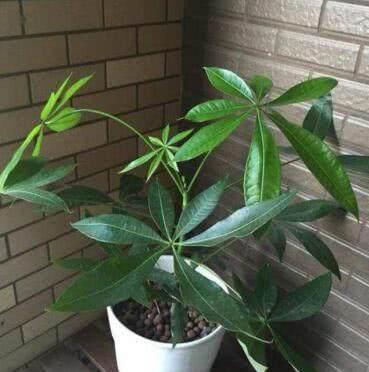
As people's living standards improve, more and more people have fallen in love with growing flowers, and along with that, all kinds of little flower-growing tips, methods, and tricks have been popping up online endlessly, such as pine needle soil, leaf mold and so on. It feels like these soils do have some effect on growing flowers, but none of them compare to this soil. It is the all-purpose soil for growing flowers; whatever you grow with it thrives! What soil is this?
It is actually a kind of bone-residue soil. This soil is an all-purpose nutrient composite soil; whatever you grow with it thrives, and it is not hard to make, and it has no foul smell.
The method is as follows:
Flower lovers can collect bones. This stuff is easy to find. When your family eats all kinds of pork ribs and fish, you can keep the bones. After collecting them, you can put them in the sun to bake for about 10 days, then soak them in clean water for about 20 hours. After removing the remaining salt and seasonings on them, put them in a pressure cooker and simmer for about 30 minutes. Let them sit for a while, take them out and let them cool, then bake them in the sun again. At this point the bones will become especially crisp and brittle, and they will break apart with one tap of a small hammer. Flower lovers can figure out their own way to make the bones as crushed as possible.
At this point, flower lovers can find an unused flower pot, first line the bottom with a layer of fresh leaves or rotten vegetable leaves, then add garden soil, then put in a layer of bone residue, then more garden soil, then bone residue... and so on. Water it thoroughly, finish with garden soil, then seal the opening with a plastic bag, and put it in the sun to bake for about 30 days (during this period, there is no need to worry about wind, sun or rain), and then it is ready to use. When using it, you can mix this soil with a bit of coarse sand and use it directly to grow flowers.
It guarantees that whatever you grow thrives; even without fertilizing for 10 years, it can still make your potted plants lush with branches and leaves and produce big, brightly colored flowers.
Plants like clivia (Clivia miniata), kalanchoe (Kalanchoe blossfeldiana), money tree (Pachira aquatica), asparagus fern (Asparagus setaceus), pothos (Epipremnum aureum), rose (Rosa spp.), gardenia (Gardenia jasminoides), jasmine (Jasminum sambac), camellia (Camellia japonica)... can all use this all-purpose soil. To grow flowers well, being attentive is key. Besides nutrients, we also need to be extra attentive with watering, because a recent survey by Xiaohua found that many flower lovers' potted plants died from improper watering, which really is heartbreaking. Based on this, let's now share the watering methods for 5 common potted plants. I hope you like it!
1. How do you water clivia?
Clivia has broad leaves with a tender texture, and it requires relatively high soil moisture content and relatively high air humidity. Clivia cannot be short of water, otherwise its fleshy roots will shrink, the leaf shape will become thin and weak, and it will lose its luster. When watering, stick to the principle of watering once the soil is half dry, and water thoroughly when you do water.
But the clivia pot must not have standing water, and when watering, be careful not to pour water into the center of its leaves, to avoid rot in the heart of the plant, which leads to "beheading." Under normal circumstances, watering clivia about once every 7 days is enough. In high summer temperatures, you can frequently wipe its leaf surfaces with a damp cloth and often spray water around the plant to improve the temperature and humidity environment for the clivia.
2. How do you water camellia?
Generally, camellias like to grow in a humid environment, so the main thing is to water the camellia, but be careful to keep the soil from being too dry or too wet.
Generally, water more in spring and summer, which also helps the camellia grow. In winter, be careful to water less; watering once every two to three days is best.
3. How do you water kalanchoe?
Kalanchoe, like other succulent flowers, contains a lot of water in its body and has a relatively strong drought tolerance, so it does not need a lot of watering. During the growing period, just water thoroughly once every 4 to 5 days and keep the potting soil slightly moist.
In summer, because water is lost quickly, you can water once every evening. In cold winter, kalanchoe enters its dormant period, so watering should be controlled.
4. How do you water the money tree?
The money tree has strong adaptability to moisture. Generally, whether it is watered heavily outdoors or not watered for more than ten days indoors, it will not show signs of drought. The first principle for watering the money tree is to prefer wet over dry. Water more in the high-temperature summer season and less in winter; water more during the vigorous growth period, and water less for small plants that were newly planted. Under normal circumstances, watering once every 15 to 20 days is enough.
That is all for today's sharing.