6 key points for watering flowers in summer to avoid killing a pot with every watering
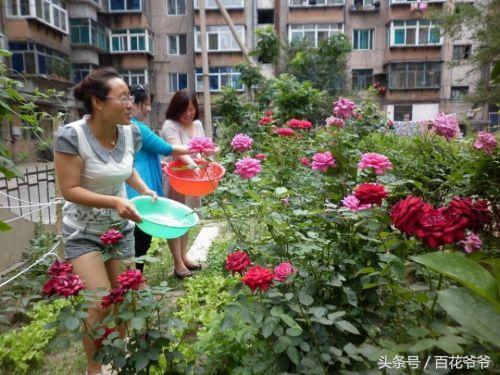
As the hot summer arrives, many flower enthusiasts find that their plants easily run short of water, so they keep watering, only to find that the plants die even faster; water a little less, and they easily dry out. So how should you water your flowers better in summer? Let's take a look at these smart summer watering tips.
1. Summer watering times for flowers
Never water at noon: the high temperature easily suffocates plants. It is best to water in the morning and evening. If you find a plant already wilting from lack of water, first move it to a cool, ventilated place and wait until the soil temperature in the pot drops before watering.
2. Different flower varieties need different watering methods
Flowers grown in different environments and of different varieties need different watering methods. Plants that like moisture, plants that like dry conditions, and plants in a dormant state all differ in how they should be watered. Some flowers that grow vigorously in summer not only need more frequent watering but also need regular misting of the leaves to raise air humidity, such as Aspidistra (cast iron plant), Spathiphyllum (peace lily), pomegranate, and so on.
Flowers that enter dormancy in summer and grow slowly need controlled watering and less frequent watering to avoid waterlogging and root rot, such as Fuchsia, Clivia, and Kalanchoe. When caring for them, pay attention to shade and ventilation.
For succulents, even more so, you should control water and provide shade and ventilation. Especially for succulents in a dormant state, you should cut off water entirely, such as Greenovia aurea (mountain rose).
3. How to tell when the potting soil is on the dry side
Some flowers need watering as soon as the surface of the potting soil dries, while others should be watered only after both the surface and the center of the pot are dry. How do you tell? Generally, when the surface of the potting soil turns pale, the top layer is already dry. If the soil 2CM below the surface is already dry, then the whole pot of soil has reached a state of extreme water shortage and needs watering quickly. Or simply lift the flower pot: if it is much lighter than usual, that also means it is fairly dry.
4. What kind of water is better for watering flowers?
For summer watering, it is generally not recommended to use fertiliser water on flowers, to avoid burning the roots, but you can use diluted rice-washing water or fish tank water, once every 2 weeks or so. Also, when watering, it is best to use room-temperature water, not water that is too cold.
5. Different flower pots need different watering frequencies
Different flower pots also hold water for different lengths of time. Even for the same variety, some pots have good air permeability and some have poor air permeability. For example, clay pots have good air permeability and water evaporates easily, so watering frequency should be increased relatively; plastic pots and ceramic pots have poor air permeability, so watering frequency should be reduced appropriately.
6. Other watering precautions
No matter which variety it is, when watering you must water thoroughly.
For flowers whose leaves have thick down, try not to let water touch the leaves when watering, as they rot very easily.
When a plant is severely short of water and its leaves are wilting, it needs appropriate pruning, and you should use the soaking method to water it, which can help the plant recover faster.
Well, that is all for today's tips on watering plants in summer. Flower friends, you are welcome to leave comments and discuss.