How Do You Grow Figs Yourself? Detailed Guide to Cutting Propagation Techniques and Yield-Boosting Tips
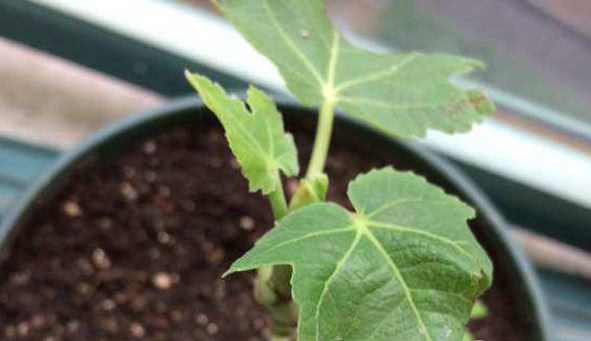
Figs taste sweet and delicious, and they can help strengthen the spleen and stomach. They also contain a variety of amino acids and vitamins that the human body needs, especially being very rich in selenium. If you want to grow a fig tree yourself, just break off a branch and root it as a cutting to grow one; it would be a pity not to grow one. Let's look at the specific steps below.
Fig Cutting Propagation Techniques
1. For the thickness of the cutting branch, choose one about as thick as a little finger. One-year-old branches are the most suitable; do not choose overly vigorous leggy branches. Choose ones with relatively high maturity, with at least two plump buds, from the middle-upper part of the branch, about 20 cm long. Branches like this will sprout and root relatively smoothly and quickly.
2. The cutting medium can be pure sand, nutrient soil, sand mixed with garden soil, or vermiculite. The requirements are not strict; some people even stick the cuttings directly into the ground and they sprout and grow roots successfully.
3. First soak the branch in clean water for two to three hours, then insert it into the soil, press the soil firmly around the branch, and then place it in a ventilated, shaded spot.
4. After about two to three weeks, roots will grow. It is best to use a transparent cup or plastic bottle so you can see the roots filling it.
5. If the fig branch has grown roots, and they are white roots, do not disturb it for now and do not rush to transplant it. Wait until the roots have grown more, small leaves have emerged, and brown roots have appeared before transplanting.
6. When transplanting a rooted fig seedling, be sure to keep the original soil ball and transplant it into a flower pot. Water it in time, but do not overwater and cause waterlogging; keep it in sunlight.
Secrets to Getting Lots of Figs
1. If you want figs to bear a lot and grow fast, soil and fertilizer are especially important. You can use leaf mold dug from mountain forests, which is both fertile and airy. You will hardly need to fertilize at all.
2. Using this soil to grow figs produced quite a lot of fruit, and the fruits were especially large. When ripe, the flesh was sweet and sticky, full of juice, delicious and nearly perfect; everyone likes them.
3. If you do not have leaf mold, you can apply some phosphorus and potassium fertilizer during the growing season, and the fruit will increase more and more, and the figs will be sweet and tasty.
4. Figs grow very quickly. A small cutting-grown seedling can grow into a small tree in two years and can bear a lot of fruit.
Figs are a nutrient-rich fruit, and if you grow them yourself, they are even more natural and healthy. If your balcony is spacious, you can consider growing them. As long as you follow the above steps and management for fig cultivation, bearing fruit is certain.