What are the treatment methods for cow infertility?
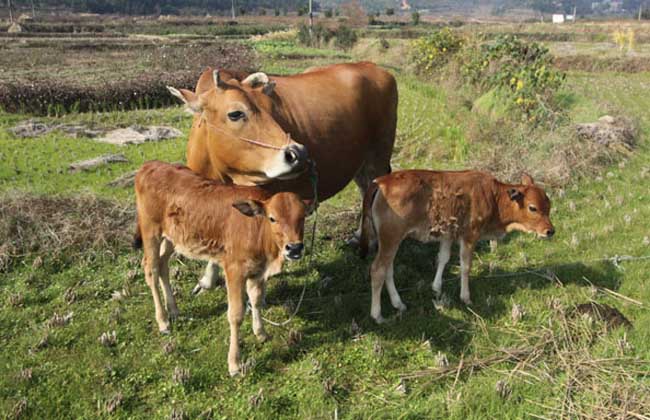
The reproductive process of a cow includes a series of stages, starting from estrus and ovulation, going through mating, fertilization, attachment and implantation, and pregnancy, all the way to calving and lactation. If any of these stages is disrupted, infertility can result. The causes of cow infertility are many-sided. Generally, it is customary to call a cow infertile if it fails to conceive after being bred past the initial breeding age or after three postpartum estrous cycles. Let's take a look below at the causes and treatment methods of cow infertility!
Causes of cow infertility
1. Physiological infertility: mainly refers to abnormalities of the reproductive organs. Common ones include fallopian tube obstruction and uterine atresia, which prevent sperm from reaching the site of fertilization, thereby causing infertility. It mainly occurs in first-calf cows, whose estrous cycles and ovulation are both normal, and abnormalities of the reproductive organs can be seen on rectal examination.
2. Pathological infertility: generally more common in multiparous cows, with ovarian cysts, oophoritis and metritis, and abnormal estrous cycles being relatively common. The main causes of the above are inadequate disinfection during artificial insemination, or improper assistance during calving or removal of the afterbirth.
Symptoms of cow infertility
1. Hidden endometritis: the estrous cycle is mostly normal, mucus increases during estrus, and on rectal examination the uterine horns are slightly thickened, with elasticity and softness basically normal.
2. Purulent endometritis: the estrous cycle is irregular, and a "sour-serum-like" or "milky" discharge can be seen flowing from the vagina, with an abnormal, foul odor, and especially abundant discharge during estrus. On rectal examination, the uterine wall can be felt to be thickened with reduced elasticity; in severe cases the uterine horns are enlarged and thickened, with the lumen filled with fluid.
Treatment of cow infertility
1. Follicular cysts: ① Use lidocaine, 20-30 milliliters, once a day, for 5 consecutive days. ② Dexamethasone 30 milligrams by intramuscular injection, once a day, for 5 consecutive days.
2. Hidden endometritis: during estrus, flush the uterus with about 500 milliliters of warm normal saline, drain the fluid completely after washing, then inject 30 milliliters of lidocaine into the uterus, once a day, for 3 consecutive days.
3. Purulent endometritis: first use 0.1% potassium permanganate to flush repeatedly 2-3 times, once every other day; when the purulent secretion decreases, inject 1 vial of cefoxillin, once a day; generally about 3 days are needed for a cure.
4. Abnormal estrous cycle: use 3 boxes of Bazhen Yimu Pills and 2 bags of Angelica sinensis tablets, starting 7 days before estrus, once a day, taken orally 3 times in a row.
Summary: In fact, as long as cow infertility is diagnosed and treated promptly and correctly, the cure rate can reach about 85%. By taking corresponding measures according to the pathological characteristics, the expected results can be achieved.