How to prevent and treat bovine omasum impaction? A full breakdown of practical methods
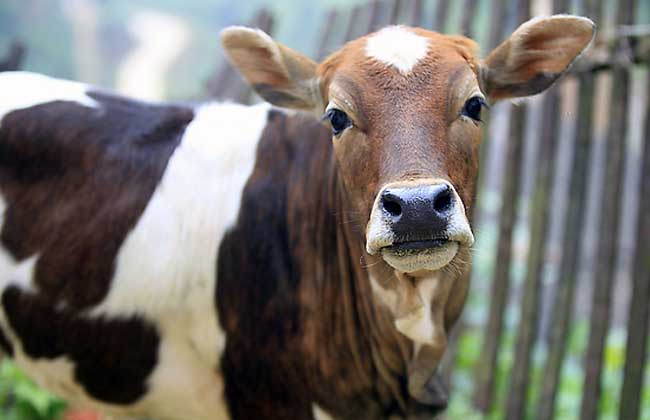
Bovine omasum impaction, also called omasum blockage disease, refers to the contents of the omasum drying out and being unable to be pushed onward, causing omasal dilation and pain; the hard contents press on and paralyze the stomach wall, the omasal leaves necrose, leading to severe indigestion and systemic changes, with no characteristic symptoms, a long disease course, and gradual onset lasting about 1-2 weeks. Let's take a look below at the prevention and treatment methods for bovine omasum impaction!
Causes of bovine omasum impaction
The causes of bovine omasum impaction are mainly improper feeding and management, excessive work or insufficient exercise, or long-term large-scale feeding of dry, hard feed containing much crude fiber, or feeding bran, distillers' grains and feed with large amounts of sand attached, plus insufficient drinking water causing excessive internal heat in the cow, so that the feed staying in the omasum lacks water and remains in the omasal leaflets, making it hard to pass down, ultimately forming omasal blockage, which in turn causes the omasum to lose normal digestive function and leads to omasum impaction.
Symptoms of bovine omasum impaction
1. Early stage: the sick cow has little and dry feces, dark in color and ball-shaped, with mucus on the surface, and the feces contain undigested feed; afterward the feces are scanty and resemble abacus beads, and the urine is short and cloudy. On palpation, especially percussion of the omasum area (right side between the 7th and 9th ribs, above and below the shoulder joint horizontal line), the sick cow shows pain and restlessness, and may even resist examination; puncture of the omasum reveals relatively hard contents.
2. Late stage: the sick cow passes black, small and hard feces, lies down more and stands less, has complete loss of appetite, stops ruminating, frequently chews at nothing, grinds its teeth, has elevated body temperature, accelerated breathing, a strengthened pulse, scanty yellow urine, and a dry nasal speculum that may even crack. If necrosis of the omasal leaflets occurs, it may be secondary to septicemia, with elevated body temperature, labored breathing, constant groaning, and finally death from exhaustion.
Prevention and treatment of bovine omasum impaction
1. Drench with 500 ml of soybean oil or paraffin oil to lubricate the omasum.
2. For cows already affected, at the early stage of disease use 500-800 g of sodium sulfate or magnesium sulfate, 1000-2000 ml of liquid paraffin, and 5000-10000 ml of water, drenched at one time, to promote expulsion of the stomach contents.
3. For those with a long disease course and severe condition, a long needle can be used at the intersection of the front edge of the 10th rib on the right side and the horizontal line of the shoulder end, or slightly below it, to inject 1000-3000 ml of 100% sodium sulfate or magnesium sulfate solution into the omasum; if about 500 ml of liquid paraffin or vegetable oil is injected at the same time, the effect is better. To restore omasal function, vitamin B1 and Anbromide mixture can be used in combination. In the late stage of disease, when necessary, cardiotonic, fluid replacement and gastric lavage therapies can be used in combination, and 20 ml of 5% sodium chloride solution can be injected intravenously for cardiotonic and diuretic effects.
4. For sick cows whose condition is not very severe, traditional Chinese medicine treatment can also be chosen. Take 120 g of mirabilite, 30 g each of talc, knoxia root, angelica, white atractylodes and Pharbitis nil seed, 60 g of rhubarb, and 6 g of licorice, mix evenly and grind finely, add 500 g of lard, and administer mixed with warm water. Taken in several consecutive doses, the effect is also very good.