A Detailed Explanation of Yak Breeding Techniques and Feeding Management Methods
The level and methods of yak feeding management are restricted and influenced by factors such as the ecological and environmental conditions of the yak distribution areas, production methods, the scientific and cultural level of producers, and religious beliefs, and there are differences between different regions and even between different yak herds in the same region. In the vast majority of areas, yaks rely solely on natural grassland forage to obtain the nutrients needed to maintain life, growth, development, and reproduction. Even in the cold season of winter and spring, when natural grassland forage withers and feed is scarce, except for a small number of weak young yaks and female yaks that have difficulty surviving the spring, which are given a small amount of hay or silage forage as supplementation, no supplementary feeding is provided at all. The management of yak herds is determined by climate and season.
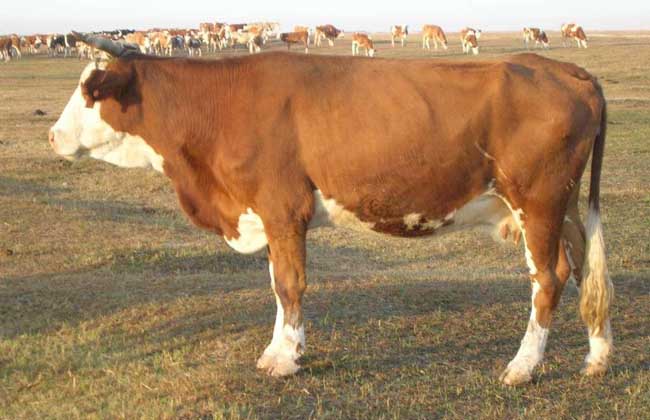
I. Grazing of Yaks
In most areas, yak grazing adopts the method of dividing grazing grasslands according to different seasons and then grazing by groups; a small number of areas practice fenced group grazing.
1. Division of Pastures
The climatic conditions of the yak distribution areas belong to the alpine grassland climate, with only cold and warm seasons and no obvious distinction of the four seasons. Therefore, pastures are generally divided into summer-autumn and winter-spring seasons, namely summer-autumn (warm season) and winter-spring (cold season) pastures. The basis for division is mainly the altitude of the pasture, topography and terrain, distance from settlements, and transportation conditions. Summer-autumn pastures are selected in shady slope hilltop areas far from settlements, with higher altitude, cool ventilation, fewer mosquitoes and horseflies, and sufficient water sources; winter-spring pastures are selected near settlements, with lower altitude, convenient transportation, and sunny slope lowlands that shelter from wind and snow.
In some areas where yaks are distributed, the terrain belongs to alpine narrow valley landforms. Although the total grassland area available to yaks is vast, it is separated by deep valleys into relatively “scattered” grasslands. Often the grassland used by a village, group, or household is dispersed across several mountain ridges, and each yak herd only uses the grassland of one or two ridges. Therefore, some places also divide pastures into four seasonal pastures: spring, summer, autumn, and winter. The spring and autumn pastures are only used for a short time and a smaller area, resembling transitional pastures from winter pasture to summer pasture, or from summer pasture back to winter pasture. In this area, mountain gully and forest-edge grasslands are mostly used as winter pastures, ridge-top meadows as summer pastures, and hillside areas as spring and autumn pastures.
2. Organization of Yak Herds
In order to manage grazing and rationally utilize grasslands, and to improve yak production performance, yaks should be divided into groups according to sex, age, and physiological condition, avoiding mixed-group grazing, so that the herd is relatively quiet, feed intake and nutritional status are relatively uniform, and grazing difficulties are reduced. Yak herds are generally divided into:
① Lactating yak herd, also called dairy herd. This refers to a herd composed of yaks that are currently lactating. About 100 head per group. Lactating yak herds should be allocated the best pastures, and in areas with conditions, appropriate supplementary feeding can also be provided to make them produce more milk and come into estrus and be bred earlier. In lactating yak herds, a considerable portion are female yaks that did not calve that year but continue to be milked; when their number is large, they can be grouped separately.
② Dry yak herd, also called dry female yak herd. This herd refers to a herd composed of female yaks that are not nursing calves and have dried off, as well as female yaks that have reached the age of first breeding, 150 to 200 head per group.
③ Calf herd. This refers to a herd composed of cattle from weaning to within one year of age. Young yaks are relatively lively in temperament and poor in herd cohesion, and mixed grazing with adult cattle causes great mutual disturbance. Therefore, they are generally grouped separately, and the group should be relatively small, preferably about 50 head.
④ Young cattle herd. This refers to a herd composed of cattle from over one year of age to before the age of first breeding. 150 to 200 head per group. Cattle at this age stage already have reproductive capacity; therefore, apart from castrated young bulls, males and females are best grouped separately and grazed in isolation to prevent early mating.
⑤ Fattening herd. This refers to a herd composed of various types of cattle to be culled at the end of that year, to be used for meat after fattening. 150 to 200 head per group; when the number of cattle is small, breeding bulls can also be incorporated into this group. This portion of yaks can be grazed on relatively remote pastures to keep them quiet, move less, and gain fat quickly. In areas with conditions, appropriate supplementary feeding can also be provided to accelerate the fattening speed.
However, the above organization and division of yak herds, as well as the size of the groups, are not absolute. Each region should reasonably group and graze according to local conditions based on terrain, grassland area, management level, and the number of yaks, so as to improve the economic benefits of yak production.
3. Rational Utilization of Pastures
The utilization time of summer-autumn and winter-spring pastures is mainly determined by forage growth conditions and climate, generally half a year each. In early summer each year (April to May), after the whole herd is divided into groups, grazing begins, moving from winter-spring pastures to summer-autumn pastures; before winter each year (November to December), after counting the livestock on hand, they are moved to winter-spring pastures. However, due to the influence of grassland area and climate, summer-autumn pastures are often underutilized while winter-spring pastures are overutilized. The result reflects a large contradiction between forage supply and livestock demand, resulting in seasonal imbalance. In winter and spring, yaks are basically in a semi-starved state and lose condition severely. People's demand for yak milk and meat products has grown rapidly, market prices have risen, and the price ratios between these and sheep wool and meat have become unbalanced. Raising yaks is more economically beneficial and generates more income than raising other livestock; coupled with the influence of the traditional concept that “cattle” are wealth, the inventory of yaks has continued to grow, while the number of sheep and goats raised has declined somewhat. This has led to an imbalance in the proportion of yaks in the grassland livestock species structure, making the already somewhat unreasonable cattle-to-sheep ratio even more unreasonable; it has further expanded the forage-livestock contradiction in winter-spring pastures, resulting in serious overloading and overgrazing. Therefore, in actual production, the yak population structure should be optimized and the growth in yak numbers should be controlled or reduced, so that grassland resources can be rationally utilized and the output of yak milk, meat, and other products as well as economic benefits can be improved.
When yak herds are on summer-autumn pastures, depending on forage growth conditions and herd size, the grazing site is moved once every 10 to 40 days. The direction and route of the move should be basically fixed, the same year after year. The distance between the two grazing sites should preferably not exceed 20 km. There are two moving methods: one is that people, livestock, tent facilities, and so on move at the same time, and the yak herd basically does not graze along the way, only grazing after reaching the new pasture. The other is that people, tent facilities, and so on move to the new pasture, while the yak herd grazes as usual and does not move together with the people and objects. The herd simply heads in the direction of the new pasture when going out to graze and gradually draws closer to the new pasture, and is gathered at the new pasture in the evening.
For movement of grazing sites on winter-spring pastures, the interval can be longer; generally, during one winter-spring cold season, the site is moved 2 to 5 times. If the yak herd is small and conditions allow a certain amount of supplementary feeding, it is also possible not to move at all during one cold season.
4. Sheds and Pens
On grasslands where yaks graze, apart from sheds and pens and some simple breeding racks and alleyways for preventive vaccination, there are generally very few pasture facilities.
Yak sheds and pens are only built on winter-spring pastures and are used by the herd only at night. Most are built from local materials and include several types: permanent, semi-permanent, and temporary.
① Mud pen. A mud pen is a relatively permanent pasture facility and should generally be built at a settlement or on winter-spring pastures not far from a settlement. One pen per household or several pens per household. It is mainly used by lactating yak herds and calf herds.
The mud pen wall is 1 to 1.2 m high, and the size is preferably 200 to 600 sq m. On one side of the pen, a shed frame can be built using wooden boards or woven willow branches covered with clay, with the shed back facing the wind and facing the sun.
A mud pen can be built as a single pen, or two, three, or four or five pens can be connected. Pens are separated by earthen walls or wooden fences, with passages between them. In the pen at the end, a wooden-fenced alleyway can be built for preventive vaccination, drenching, inspection, and so on.
② Dung pen. This is a temporary pasture facility built by piling up cattle dung. When the yak herd enters the winter-spring cold-season pasture, piling begins around the pasture. The method is to pile a layer of fresh cattle dung 15 to 500 px high each day; after a day and night, the cattle dung freezes and becomes firm, and the next day another layer is piled on top; after several consecutive days, a pen is formed. There are two types of dung pens: one is a roofless pen, like four enclosing walls, used to confine adult yaks; it has a relatively large area and can protect against wind and snow. The other is a roofed pen, used to confine yak calves; its shape is like an inverted tile jar, with a horseshoe-shaped base, a diameter of about 1 m, piled layer by layer and gradually narrowing until the top is closed, about 1 m high, just enough to confine 1 calf. The opening of the pen faces opposite to the prevailing wind direction, and a wooden stake is nailed outside; the yak calf is tied to the stake and can freely enter and leave the pen gate. Some dry grass can be spread inside the pen for warmth.
③ Sod pen. This is a semi-permanent pasture facility that can still be used the following year after repair. A wind-sheltered, sunny spot is selected on the winter-spring pasture, an area is marked out, and the sod within the area is used to pile up the pen. The sod pile is about 60 to 2500 px high and is used to confine male yaks and pack yaks.
④ Wooden fence pen. A pen is enclosed using leftover edge and corner materials from logs, and a roof can be placed on top, used to confine yak calves. A wooden fence pen can be built in one corner of a mud pen to form a pen within a pen, that is, select one corner of the mud pen, enclose it with a small wooden fence, and open a low small gate. Bedding is spread inside the pen so that yak calves can enter and leave freely. At night, the yak calves are confined inside, separated from the female yaks; the female yaks camp and graze at night so that they can be milked the next morning.
5. Management of Grazing Yak Herds
The temperament of yaks belongs to the strong and unbalanced type, appearing rough, wild, timid, and easily startled, but they have strong herd cohesion, and conditioned reflexes established through training are not easily lost, so they are relatively able to follow commands. Therefore, for large-group yak grazing, generally only one herder is needed, and loss is unlikely to occur. Based on the characteristic that yaks are easily startled, after the yak herd enters the grazing area, the herder should not closely follow the herd, so as to avoid the yaks wandering everywhere and not grazing quietly. To prevent cattle from crossing boundaries and being attacked by wolves, the herder may choose a high place at a certain distance from the yak herd, from which the whole herd can be watched over and observed.
The method of controlling the yak herd so that it follows commands is for the herder to use specific calls and verbal commands, accompanied by throwing small stones. To hit stray yaks with small stones, hand throwing is generally used, with a throwing distance of as far as several tens of meters. When the distance is relatively far, a herding whip can also be used to throw. The landing of the stone, its “whoosh” sound as it flies through the air, and the crack of the herding whip are all warnings and signals to the yaks. Yaks will judge the direction they should go based on where the stone lands and the source of the sound. The herder uses the herding whip to drive the yaks forward, to gather or scatter them. Stray yaks that have wandered far from the herd, upon hearing the sound of the whip and flying stones and seeing where the stones land, will quickly rejoin the herd.
The grazing schedule of yak herds differs according to herd type and season. The general principle is: “go out early and return late in summer and autumn, go out late and return early in winter and spring,” so as to facilitate feed intake, condition gain, and the provision of products.
① Grazing in summer and autumn. The main tasks of summer-autumn grazing are to increase milk production, do a good job of condition gain and breeding, send yaks to be slaughtered that year out of the herd before winter, and lay a good foundation for other cattle to overwinter and pass the spring. After entering summer and autumn, strive to move the yak herd out of the winter-spring pasture early; when moving to the summer-autumn pasture, the daily travel distance of the herd should preferably be 10 to 15 km, grazing while advancing toward the destination.
In summer and autumn, grazing should start early and return late, extending grazing time so that yaks consume more forage. When the weather is hot, let the yaks ruminate and lie down to rest in cool places at noon. After going out to graze, move gradually from low areas to cool, ventilated high mountains for grazing; move gradually from pastures with poor forage quality or poor palatability to pastures with good forage quality; on the pasture grazed the previous day, let the yaks graze once more. At this time, because the yaks have just gone out to graze and are hungry, they are not selective about forage and can consume forage with poor palatability, which can reduce forage waste. When grazing on pastures with relatively good forage quality, the herd should be well controlled so that the yaks graze in a horizontal line, ensuring that each animal can fully feed and avoiding running around trampling forage or uneven intake causing waste.
Summer-autumn grazing should, according to the arranged pasture or rotational grazing plan, promptly change pastures and move sites, so that cattle dung is evenly distributed on the pasture and at the same time trampling of the pasture, especially the pasture around the pen area, is reduced. This can improve vegetation status, help increase forage yield, and reduce infection with parasitic diseases.
When the settlement is more than 2 km from the pasture, the site should be moved, to reduce the time spent traveling to and from grazing each day and the consumption of yak physical strength. Lactating yaks with calves should be moved about every 10 d, and the grazing site changed every 3 to 5 d. Grazing should be carried out according to the pasture grazing plan, and one should not drive the herd to good grass or rush to graze good grassland, so as to avoid driving the herd to run every day in search of good grass and causing adverse effects on yak health and the pasture.
② Grazing in winter and spring. The main tasks of winter-spring grazing are to maintain condition and maintain pregnancy. Prevent yaks from becoming weak, enable cattle to overwinter and pass the spring safely, enable pregnant female yaks to give birth safely, and increase the survival rate of calves.
In winter and spring, grazing should start late and return early, and the warm noon period should be fully used for grazing and watering. On sunny days, graze farther hillsides and shady mountains; on windy and snowy days, graze nearby, in wind-sheltered depressions or mountain bays. The grazing herd should move in the downwind direction. Pregnant female yaks should avoid grazing on icy flats and should not be watered in the morning or on an empty stomach. Yaks that have just entered winter-spring pastures are generally strong and fat, so choose as far as possible remote pastures without accumulated snow, high mountains, and slope areas for grazing, and delay grazing on winter-spring pastures near settlements. There is much wind and snow in winter and spring, so attention should be paid to weather forecasts and the herd should be gathered in time.
When grazing on pastures where forage is uneven or of poor quality, scattered grazing should be adopted, allowing cattle to feed relatively dispersed and freely on the pasture so that each animal can consume more forage over a larger area. Winter and spring are the times when yaks are weakest in the whole year, so in addition to herd-following grazing, areas with conditions should also strengthen supplementary feeding. Especially on days of strong wind and snow, when temperature drops sharply, the harm caused by cold to weak cattle is serious; grazing should generally be stopped and supplementary feeding carried out in sheds and pens so that cattle can overwinter and pass the spring safely.
Management of Yaks
The technical level and methods of yak management vary greatly in different regions and different periods. The general situation adopted in most areas is as follows.
1. Milking
Milking is a task with a very large labor load in yak management. Yak milking is divided into two stages: calf suckling and hand milking. In each milking process, suckling and milking are repeated twice, or the milk ejection reflex is divided into two phases. Therefore, it requires a long time and labor efficiency is low.
Because yak teats are thin and short (only 2 to 75 px long), the finger-stripping method is generally used for milking. The length of milking time for the herd affects milk yield and the yak's whole-day grazing time, so milking speed should be fast and the milking duration for each animal should be short, striving to finish milking each animal within 6 minutes. Lactating female yaks are very sensitive to strangers, unusual odors, and so on; therefore, milking should be quiet, and the milker, milking motions, commands, milking order, and related routines should not be changed at will.
Mechanical milking still cannot be used for yak milking. Therefore, milkers must master correct hand-milking techniques in order to increase milking speed and milk yield. When milking, if the strength of both hands is relatively evenly distributed among the muscles of the forearm, fingers, and palm, and combined with the correct sitting milking posture, the energy consumed by muscles during tense work can be replenished, and one can milk without feeling sleepy. Otherwise, when squatting to milk, if the muscles are overly tense and force is unevenly applied, not only will milking speed be slow, but the hands will soon feel weak.
The muscle force required to squeeze the teat during milking is about 15 to 20 kg. If each herd is milked for 2.5 h, at a milking speed of 80 to 140 times per minute, then the tense movements of the hand joints and muscles each day reach 12,000 to 21,000 times; the labor intensity is very great, and attention must be paid to protecting the hands. Soak the hands and arms in warm water (40°C) 1 to 3 times a day, 10 to 15 minutes each time. After soaking, apply a little skin cream, then use one's own hands to massage each other's fingers, joints, and forearm muscles, so as to promote blood circulation, enhance muscle metabolism, and prevent hand disorders.
2. Rearing Calves
Yak calves are generally naturally suckled. To ensure normal growth and development of calves, the amount of milking from yaks must be adjusted according to the forage yield of the pasture, the feed intake of the calf, and its growth, development, and health status. Calves can consume forage after 2 weeks of age, can consume large amounts at about 3 months of age, and the amount of suckling gradually decreases with increasing age.
Compared with adult cattle, yak calves have shorter daily feed intake time and more lying-rest time. Therefore, during grazing, sufficient lying-rest time should be ensured, and excessive driving or wandering should be prevented from affecting growth and development. At the same time, they should not be grazed far away; when the weather turns cold or there is wind and snow, they should be gathered in time, and dry sheds and pens should be available for lying and resting.
After entering winter and spring, when yak calves have been suckled to 6 months of age, they should generally be weaned and raised in separate groups. If they continue to be suckled with the female yak, the young yaks are attached to milk and the female yaks carry calves, so neither can feed well; they may even continue to compete for mother's milk after the next calving. In this case, apart from being weak and dry in winter and spring, the female yak has no dry period, which not only affects the safe overwintering and spring passage of both the female and young cattle, but also affects the growth and development of the fetus in pregnant female yaks. With such a vicious cycle, it is very difficult to improve yak production capacity. For yak calves born late and suckled for less than 6 months, or weak yak calves, the suckling period can be appropriately extended before weaning, but the female yaks must be given supplementary feeding in winter and spring.
3. Breeding and Castration
Breeding and castration are two important links in yak reproduction technology. They not only directly affect yak propagation, yak herd management, and product production, but are also closely related to yak selection and mating, the quality of offspring, and so on. Therefore, sufficient attention should be paid to them in yak management.
Yak breeding generally adopts the method of natural mating. According to the sexual behavior characteristics of male yaks, the competitive mating ability of male yaks in a dominant position is fully utilized to achieve the purpose of selective mating; attention is also paid to promptly culling male yaks that, although in a dominant position, have reduced mating ability. The breeding age of male yaks is 4 to 8 years, with the strongest mating ability at 4.5 to 6.5 years; after 8 years of age, they can rarely mate in a large herd. The first mating age of female yaks is about 3 years. The ratio of male to female yaks is preferably 1:14 to 25.
In areas with conditions, artificial assisted mating can be adopted to increase the conception rate and carry out selective mating. That is, after a female yak in estrus is found, she is tied at the settlement, her two limbs are bound with rope, a loop is placed over her neck, two people on the left and right pull and restrain her, and then more than 3 male yaks are driven over to compete for mating. After the female yak has accurately been mated twice, the male yaks are driven away, and fresh cattle dung is smeared on the rump of the mated female yak to prevent male yaks from mounting and mating again, and the ropes are removed.
Yaks mature late, and the castration age is later than that of ordinary cattle, generally at 2 to 3 years; it should not be too early, otherwise growth and development will be affected. When there are fenced grasslands or management is good, male yaks may not be castrated and can be fattened. Yak castration is best carried out in May to June, when the weather is warm and there are few mosquitoes and flies, so as to facilitate wound healing and lay a foundation for warm-season grazing and fattening. The castration operation should be rapid, and the time for throwing down and restraining the animal should not be too long; after surgery, graze slowly, graze nearby within one week, do not drive them violently, and check the wound every day; if bleeding or infection and suppuration are found, ask a veterinarian to handle it.
Some areas have adopted the non-surgical method of testis-lifting castration and achieved relatively good results. In this method, after the male yak is restrained, the testes are manually squeezed as much as possible toward the upper end of the scrotum so that they press tightly against the abdominal wall, and then a rubber band with good elasticity is placed tightly around the lower end of the scrotum below the testes so that the testes can no longer descend. Because the testes press tightly against the abdominal wall and the temperature rises, sperm cannot survive, thereby achieving the physiological purpose of castration. Because male hormones are still continuously produced, male yaks grow faster than male yaks whose testes have been surgically removed and have higher meat production. Testis-lifted male yaks still have sexual desire and can be used as teaser bulls; when grazed in separate groups, management should be strengthened to avoid restlessness caused by mounting each other, straying from the herd, and so on.
4. Pregnancy Diagnosis
After female yaks are in estrus and mated, they generally all conceive, and abortion and other termination of pregnancy occur relatively rarely. In addition, there are not many cases of estrus after pregnancy in yaks, so pregnancy diagnosis generally need not be carried out for yaks. The criterion by which herders judge whether a yak has conceived is whether it comes into estrus again in the next estrous cycle. If pregnancy diagnosis is to be carried out, Cai Li believes that rectal examination is the simplest and easiest to perform.
Disease Prevention and Control
1. Yak Anthrax
Anthrax is an acute zoonotic disease caused by Bacillus anthracis. This disease occurs sporadically or endemically, and can occur in all four seasons, but occurs more frequently in warm, rainy summer and autumn seasons and in low-lying swampy areas prone to water accumulation.
For many years, yak-producing areas have carried out planned and targeted preventive injection of anthrax spore vaccine and achieved good results. It has changed from past endemic prevalence to sporadic occurrence in local areas. When an outbreak occurs, strict blockade must be implemented, diseased cattle must be controlled and isolated, managed by specially assigned personnel, and the handling of excreta and disinfection work must be strictly carried out. Diseased cattle can be treated with anti-anthrax serum or drugs such as penicillin and tetracycline.
2. Yak Brucellosis
Brucellosis, abbreviated as brucellosis, is a zoonotic disease caused by Brucella.
In terms of immunological prevention of yak brucellosis, Brucella vaccine No. M5, vaccine No. 19, vaccine No. S2, and others have been used successively for aerosol or drinking water immunization; MB32 attenuated vaccine has been used for subcutaneous inoculation and indoor and outdoor aerosol immunization, with an immunization period of more than one year. Pasteurellosis, also called hemorrhagic septicemia, is a septicemic infectious disease caused by Pasteurella multocida and shared by many kinds of animals. The characteristics of this disease are septicemic changes in acute cases, and localized suppurative inflammation of subcutaneous tissue, joints, and various organs in chronic cases. It mostly occurs sporadically or endemically, and can occur in all four seasons, but occurs more frequently in autumn and winter.
In addition to isolation, disinfection, and deep burial of carcasses after early detection of the disease, anti-Pasteurella serum or selected antibiotics and sulfonamide drugs can be used for treatment.
3. Yak Salmonellosis
Salmonellosis, also called paratyphoid, is a general term for a group of diseases of humans and animals caused by one or more serotypes of Salmonella bacteria of the genus Salmonella. It is especially seriously harmful to young livestock.
Calf colibacillosis is an acute infectious disease of calves caused by pathogenic Escherichia coli (Escherichia coli). Clinically, it mainly manifests as severe diarrhea, dehydration, prostration, and acute septicemia. Yak calf colibacillosis is widespread in pastoral areas and mostly occurs in calves 1 to 4 days after birth.
Domestically, there are many methods for treating calf colibacillosis. Yan Zhesheng and others used antibiotics, nitrofuran drugs, and isolated pathogenic strains to prepare high-immune serum; in Ganzi, Sichuan, three-needle liquid was administered orally to prevent and treat yak calf diarrhea; in the Qamdo area of Tibet, compound coptis was used to treat calf “diarrhea disease,” all with high efficacy. Yak contagious pleuropneumonia is a chronic or subacute infectious disease of a contact nature caused by Mycoplasma mycoides, characterized mainly by fibrinous pneumonia and pleuropneumonia symptoms.
In 1958, China developed a rabbit-adapted bovine pleuropneumonia vaccine, which was proved safe and effective in tests, with an immunization period of one and a half years. In order to adapt to the characteristic that the vast pastoral areas of China do not produce rabbits, a sheep-passage vaccine was then developed and promoted and applied in pastoral areas, bringing the occurrence of yak bovine pleuropneumonia under control.
4. Leptospirosis
Yak leptospirosis is an acute zoonotic infectious disease caused by pathogenic Leptospira.
5. Tuberculosis
Tuberculosis is a chronic infectious disease shared by humans and livestock and poultry caused by Mycobacterium tuberculosis.
Intradermal allergic reaction with tuberculin is the main method for diagnosing tuberculosis in yaks (livestock and poultry), but due to factors such as differences among individual yaks and differences in Mycobacterium types, it still cannot detect all diseased yaks, and non-specific reactions may sometimes occur. Therefore, under different circumstances, comprehensive judgment should be made in combination with methods such as epidemiology, clinical symptoms, pathological changes, and etiological diagnosis. Fluorescent antibody technology has been tried for diagnosing tuberculosis.
Regular quarantine should be strengthened, and detected diseased cattle should be strictly isolated or culled. If open tuberculosis cattle are found, they should be killed. In addition to quarantine, disinfection work should be done well to prevent transmission. After birth, calves should undergo body surface disinfection, be raised in isolation from diseased cattle or artificially fed the milk of healthy female yaks; if quarantine at weaning and 3 to 6 months after weaning is negative, they can be incorporated into the healthy herd.
6. Yak Calf Campylobacteriosis
Campylobacteriosis, also called Campylobacter enteritis, is a new zoonotic acute diarrheal disease caused by Campylobacter jejuni, mainly harming young children and young livestock. Clinically, fever, diarrhea, and abdominal pain are the main characteristics.
It has been demonstrated that drugs such as chloramphenicol, tetracycline, and furazolidone all have obvious efficacy, and yogurt and whey have preventive and therapeutic effects on yak calf campylobacteriosis.
7. Yak Dermatophilosis
Dermatophilosis is a zoonotic skin infectious disease caused by Dermatophilus congolensis. Yaks of all ages can develop the disease, mainly manifested by nodules ranging from pea-sized to broad bean-sized appearing on the skin of the lips, head and neck, back, chest, and other areas. After onset, spirit and appetite show no significant changes, the course is chronic, and most cases can heal spontaneously.
8. Yak Dermatomycosis
Dermatomycosis is an infectious disease of the body surface keratinized tissues (skin, hair, nails, claws, hooves, and so on) of livestock and poultry and humans caused by various dermatophytes, and it does not invade deep subcutaneous tissues.
Timely and correct treatment should be adopted, applying a mixture of 5% griseofulvin liquid paraffin oil for rubbing, once daily; generally it heals in 7 days.
9. Yak Botulism
Botulism, abbreviated as botulism, is a zoonotic poisoning disease caused by absorbing Clostridium botulinum toxin. According to observations, yak clostridial poisoning mostly occurs in adult female yaks, especially lactating female yaks.
In terms of prevention and treatment, Qinghai Province once used self-made high-immune serum to treat early-stage diseased cattle. The Clostridium botulinum type C gelatin vaccine produced by the Qinghai Provincial Veterinary Biological Products Factory has been included in the ministry-issued “Regulations for the Manufacture and Inspection of Veterinary Biological Products.” A small-dose Clostridium botulinum type C dry powder vaccine has now also been trial-produced and is convenient to use.
10. Yak Foot-and-Mouth Disease
Foot-and-mouth disease is an acute infectious disease caused by foot-and-mouth disease virus. It mainly attacks cloven-hoofed animals and is highly contagious through contact. Yaks are extremely susceptible to foot-and-mouth disease, and humans can also be infected and become ill. Clinically, the main characteristics are blisters and ulcers on the oral mucosa, hooves, and udder skin.
Foot-and-mouth disease virus has multiple types; the foot-and-mouth disease virus types prevalent in yaks are type O and type A (type A has low mortality, type O has high mortality). Foot-and-mouth disease virus has strong resistance to the external environment, especially tolerance to low temperatures; on summer grasslands it can survive only 7 days, while in winter it can survive 195 days.
11. Yak Mucosal Disease
Bovine mucosal disease, also called bovine viral diarrhea, is an acute or chronic infectious disease of cattle caused by mucosal disease virus of the genus Pestivirus in the family Flaviviridae. Most cases are latent infections. Acute cases show symptoms such as fever, decreased white blood cell count, erosion or ulcers of the oral cavity and other digestive tract mucosa, and diarrhea. Chronic cases often have persistent infection symptoms.
In immunological prevention research, Chen Yong and others developed the bovine viral diarrhea-mucosal disease Oregon C24V freeze-dried attenuated vaccine, which has a very good immune effect for preventing yak mucosal disease. However, this vaccine is relatively expensive and not safe enough for pregnant cows. Southwest Minzu University tried the swine fever rabbit-adapted attenuated vaccine to immunize against yak mucosal disease and achieved satisfactory results.
12. Yak Rinderpest
Rinderpest is commonly known as intestinal pestilence and gallbladder distension pestilence. It is a contagious, febrile, septic infectious disease of cloven-hoofed animals, especially cattle, caused by rinderpest virus. The characteristics of the disease are inflammation, hemorrhage, erosion, and necrosis of various mucosae, especially the digestive tract mucosa.
The government organized large numbers of veterinary personnel to participate in rinderpest prevention and control work and organized special forces to develop a vaccine suitable for yak immunization—sheep-adapted goat-adapted rabbit-adapted rinderpest vaccine (sheep rabbit virus), which controlled the epidemic of yak rinderpest, and by 1955 rinderpest was eliminated nationwide.
13. Yak Infectious Keratoconjunctivitis
Yak infectious keratoconjunctivitis is an endemic epidemic eye disease. It usually has an acute course. The clinical features are obvious inflammation of the iris and cornea, copious tearing, and varying degrees of corneal opacity or milky white appearance.
Domestically, 3% to 5% mild silver protein solution or chloramphenicol eye drops or penicillin solution are all effective when instilled into the eyes.