What are the treatment methods for frostbite in dairy cows in winter?
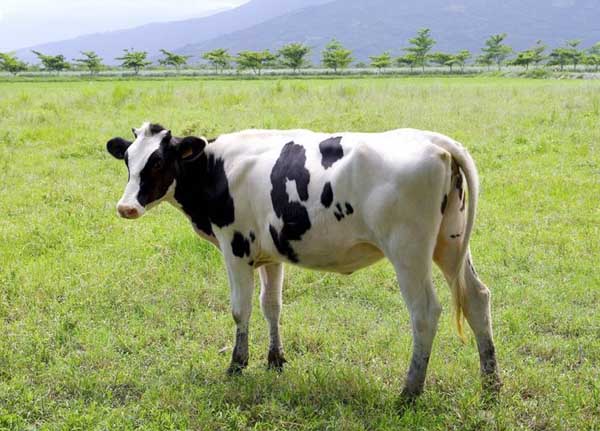
Treatment methods for frostbite in dairy cows in winter
In winter, cold-proof and heat-insulating sheds should be built properly, and cattle should be brought into the shed promptly when the temperature is low, with frequent checks to see whether there are holes, so as to prevent cold wind from blowing in. The cowshed should be kept dry and sanitary, with manure cleaned frequently, and well padded with firewood, straw or dry soil. On cold and windy days, outdoor activity should be minimized, and if necessary, a spot sheltered from the wind and facing the sun should be chosen. If conditions permit, it is recommended to take necessary heating measures.
1. Superficial frostbite in dairy cows (frozen skin)
Do not immediately roast the area over a fire or soak it in hot water. It can be rubbed with baijiu or chili pepper several times a day; or the skin can be massaged with camphor alcohol or boric acid alcohol. If the frostbite occurs on the limbs and hooves, take chili peppers, eggplant stalks, dried ginger, etc., add 10 times the amount of water, bring to a boil, and when the water temperature drops to 45°C, place the frostbitten limbs and hooves of the dairy cow into a bucket to soak, for more than 10 minutes each time, twice a day. If there are blisters at the frostbitten site, the blister fluid can be drawn off with a sterilized syringe, followed by local wet compresses with 30% boric acid; after drying, apply 10% sulfur ichthammol, once a day. If there is an ulcer, apply petroleum jelly or lard, etc., and then bandage with gauze. If the frostbitten area is swollen, apply 1% iodine solution or camphor ointment, iodine glycerin, etc.
2. Deep frostbite in dairy cows (frostbite of the full thickness of skin and subcutaneous tissue, etc.)
Soak the affected limb in an iron bucket filled with warm water, and heat it to 38°C-42°C within 5-10 minutes (it is enough that it does not feel hot to the touch). Raise the frostbitten part slightly to reduce edema. When the frostbite is large and deep, use antibiotics to prevent infection. In severe frostbite, procaine block can be used to promote early shedding of necrotic tissue and early healing of the wound surface. When secondary infection occurs after frostbite, remove the necrotic tissue and carry out disinfection and wound management properly.
3. Frostbite of the udder in dairy cows
For mild frostbite, wash the affected area with 0.1% ethacridine lactate, then apply compound sulfonamide ointment, strengthen care, and if necessary put on teat protective covers; if the frostbite is severe, antibacterial therapy should be used to prevent infection caused by necrosis, and active symptomatic treatment should be given according to the degree of frostbite.