What are the prevention and treatment methods for winter dysentery in dairy cows?
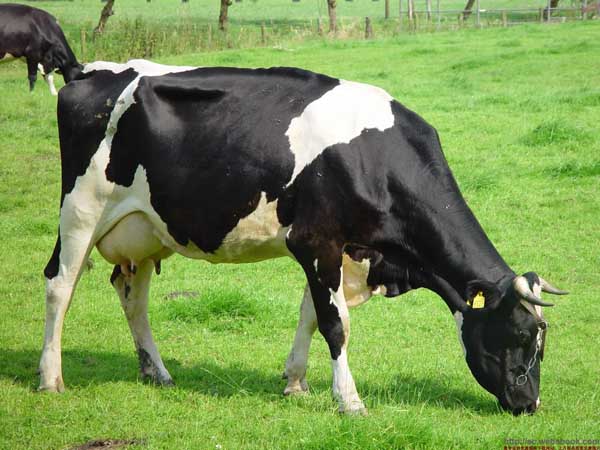
Winter dysentery in dairy cows is a seasonal disease with strong outbreak potential caused by pathogens such as Campylobacter jejuni and coronavirus. Its characteristics are: rapid spread, high incidence, severe diarrhea, and a marked drop in milk production. The main route of transmission is contact infection, through cross-contact with contaminated materials, veterinarians, exercise yards, inseminators, and so on.
Epidemiological Characteristics of Winter Dysentery in Dairy Cows
1. Outbreaks occur once every 2~3 years.
2. Resistance varies with age; cattle infected for the first time show more severe symptoms than those previously infected.
3. High incidence rate, low mortality rate.
Symptoms of Winter Dysentery in Dairy Cows
1. Systemic symptoms are mild, body temperature is normal.
2. Diarrhea, with thin feces that is gray, brown, or red; about 20% have blood in the stool.
3. Milk production drops; after the diarrhea is controlled, milk yield will increase.
Diagnosis of Winter Dysentery in Dairy Cows
1. Feed-related diarrhea: related to feed changes, but cases with blood in the stool are not common.
2. Salmonella: mostly acute, with fever and septicemia, high mortality, and mainly occurs in calves.
3. Coccidiosis: seen mostly in calves and first-lactation cows, rarely infecting adult cattle; coccidian oocysts can be detected by fecal smear and flotation methods.
4. Viral diarrhea: high fever, decreased white blood cells, and ulcers on the nose, palate, esophagus, and hooves.
5. Abomasal ulcer: feces are dark black, pine-tar-like, with blood in the stool, and the blood is mixed fairly evenly with the feces.
Treatment of Winter Dysentery in Dairy Cows
Treatment of winter dysentery in dairy cows focuses mainly on antisepsis, astringency, and anti-inflammation, and the following measures can be used.
1. Administer 50 grams of sulfaguanidine by oral drench;
2. Mix 20 grams of charcoal powder, catechol, and norfloxacin into the feed and administer.
3. Administer 200~300 milliliters of copper sulfate solution by oral drench.
4. For severely affected cows, the following can be used: intravenous injection of glucose-saline and vitamin C, and calcium supplementation can also be used to prevent hypoglycemia.
Prevention of Winter Dysentery in Dairy Cows
1. Strengthen disinfection throughout the farm.
2. Establish a temporary isolation point; keep affected cows together for feeding, treatment, and observation, and return them to the farm only after full recovery.