Feeding and Management Measures and Precautions for Newborn Calves
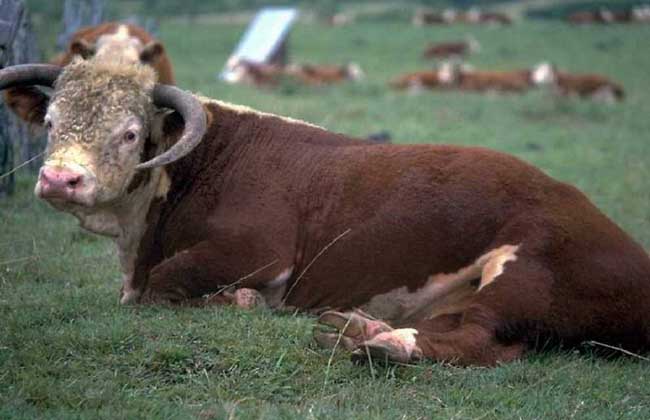
After a newborn calf is born, the first step is to clear the mucus from its mouth and nose. Position the calf's head lower than the rest of its body, or lift it upside down for a few seconds, so the mucus flows naturally out of the mouth and nasal cavity, then use a dry towel to rub and stimulate the calf's nostrils to encourage it to start breathing.
After the calf is born, first cut the umbilical cord at 8-10 cm from the abdomen, squeeze the blood remaining in the umbilical cord dry, then ligate it, and apply 3%-5% iodine tincture to the umbilical cord or soak it in iodine tincture for disinfection to prevent infection.
The most suitable external temperature for newborn calves is 20°C, so the calf pens should be kept warm, and the barn should be kept ventilated, dry, clean, hygienic, well lit, and with fresh air. The cattle pens should be cleaned frequently, the bedding straw changed often, and cleanliness and hygiene maintained.
Groom the calves 1-2 times a day to remove manure and dirt from their bodies, so as to promote skin blood circulation, keep the skin clean, and reduce parasite breeding. Strictly implement epidemic prevention, quarantine, and other veterinary hygiene systems. Wash milking utensils after use, and regularly disinfect calf barns (pens) and feed troughs.
Within 1 week of birth, calves can move freely indoors; after 10 days, they can be allowed short periods of exercise outdoors in the exercise yard 1-2 times, half an hour each time. As the days of age increase, the exercise time can be appropriately increased. In order to help calves develop good feeding habits and achieve human-cattle bonding, the keeper should consciously approach, touch, and groom them. When approaching, approach from the front and do not treat the calves roughly.
Weigh the calves at birth, 3 months of age, 6 months of age, 12 months of age, and at weaning, and keep records so as to understand the calves' growth and development and adjust the ration. Then carry out registration, photography, body measurements, and numbering. Calf numbering commonly uses plastic ear tags fixed to the ear for quarantine and inspection.
Calves should be dehorned within 30 days after birth, using the sodium hydroxide stick method or the electric iron cauterization method. This reduces situations such as miscarriage caused by fighting among dairy cattle, injury to people, and damage to facilities. During the suckling period, they should be raised in individual pens, and after weaning, they can be raised in large pens or tethered.