Key Technical Points for Winter Feeding and Management of Pregnant Cows
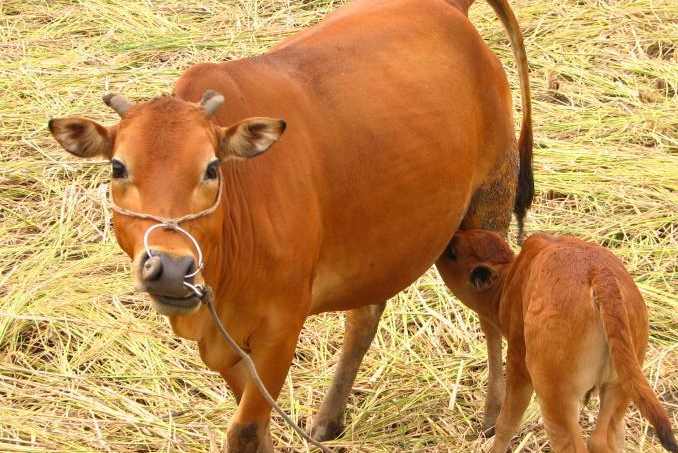
Autumn is the peak season for breeding farm cattle. Once the harsh winter arrives and the pasture withers, pregnant cows must not only endure the cold but also supply all the nutrients needed for fetal growth and development. Under such harsh climatic conditions, improper feeding and management of pregnant cows, especially when sudden temperature drops occur, can easily lead to a decline in the physical condition of pregnant cows amid hunger and cold, and can even result in the death of both the mother and the fetus. For this reason, the following measures should be taken for pregnant cows.
Repair the Sheds and Keep Them Warm
Pregnant cows should have separate sheds to avoid crowding and kicking that could cause miscarriage. Sheds should have all gaps plugged, face the sun and be sheltered from the wind, and be free of rain leaks and dampness. Replace the bedding straw frequently, and on clear midday hours, take the cows outside the shed for activity and sun exposure.
Strengthen Nutrition and Feed with Care
After a cow becomes pregnant, in addition to maintaining the nutrients it needs for itself, it must also supply the nutritional needs for fetal growth and development, while at the same time storing up certain nutrients to ensure milk production. Therefore, 1——2 kilograms of concentrated feed should be supplementally fed daily. If conditions permit, a mixed concentrate can be fed, with the mixing ratio of 30% corn, 20% soybean cake, 15% rice grain, 15% cottonseed cake, 5% rapeseed cake, and 15% rice bran, along with an appropriate addition of some bone meal and salt. Feed at fixed times and in fixed amounts, giving small portions frequently, and do not feed moldy feed. Drinking water should be clean; be careful not to let the cows drink on an empty stomach or drink water with ice bits. It is best to provide warm water. On days without rain, persist in driving the cows up the mountain to graze. Grazing not only allows the cows to eat green forage but also increases their exercise, which is beneficial to their health. When grazing, choose a wind-sheltered, sun-facing shrub area, and do not let pregnant cows eat frost-covered grass. Feed should be diverse, highly palatable, and easy to digest. Since winter barn feeding generally relies mainly on coarse feed such as hay and rice straw, attention should be paid to feed preparation. It is best to make ammoniated feed for the cows, as this can both improve palatability and increase nutrition. If protein feed is lacking during supplementary feeding, urea feed can be used, as it can make up for the protein deficiency. The daily urea dosage should preferably be 40 grams per 100 kilograms of cow body weight.
Prevent Miscarriage and Ensure the Health of Both Mother and Fetus
Improper feeding and management of pregnant cows in winter can easily lead to miscarriage. Its signs are: in the early stage of pregnancy, mucus discharge from the vagina, constantly looking back at the abdomen, and restlessness when standing or lying down; in the late stage of pregnancy, swelling of the mammary glands, arching of the back, repeated postures for urination, obvious abdominal pain, and cessation of fetal movement. For treatment, progesterone can be injected intramuscularly at 0.5——1 gram, once daily for 4——6 consecutive days, which can achieve good results.
Moderate Exercise and Reasonable Work Use
When a pregnant cow reaches the middle stage of pregnancy, the intensity of work should be gradually reduced. During work, it is strictly forbidden to crack a cold whip, rush urgent tasks, or make sharp turns; work should be done slowly. Work should be stopped 1 month before calving to avoid miscarriage. For pregnant cows that are completely barn-fed and not used for work, when the weather is clear and sunny, they should be led outside for moderate exercise to strengthen their physique and prevent difficult labor. For mild difficult labor, posterior pituitary hormone can be used to induce labor, with a single subcutaneous injection of 60——100 units, or diethylstilbestrol can be injected subcutaneously at 10——20 milligrams, which can achieve good results.