What are the treatment methods for bovine foot-and-mouth disease?
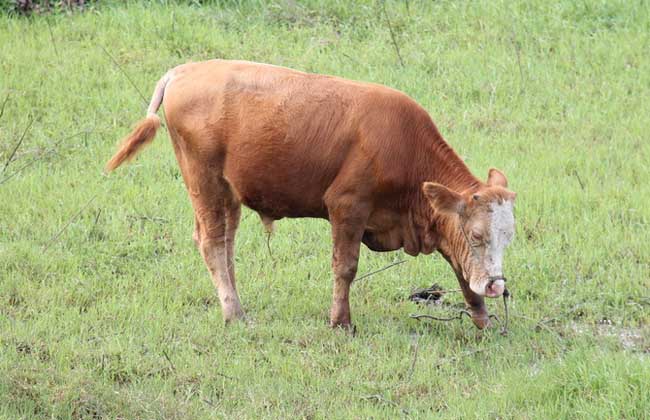
Bovine foot-and-mouth disease is an acute, febrile, contact infectious disease shared by cloven-hoofed animals caused by the foot-and-mouth disease virus. Its clinical features are blisters appearing on the oral mucosa, udder and hooves. It has epidemiological characteristics such as rapid prevalence, wide spread, sudden onset and great harm. The mortality rate of calves is relatively high, while that of others is relatively low. Let us take a look at the treatment methods for bovine foot-and-mouth disease below!
Symptoms of bovine foot-and-mouth disease
The incubation period of bovine foot-and-mouth disease is 2-7 days. An elevated body temperature of 40-41°C and drooling can be seen, and blisters soon appear on the inner lips, gums, tongue surface, buccal mucosa, the soft skin between the hoof toes and on the coronary band, as well as on the skin of the udder. After the blisters rupture, red erosions form, and afterward the erosions gradually heal; ulcers may also occur, and scars form after healing. Sick cattle drool profusely, eat little or refuse to eat, and pain in the hooves causes lameness and even shedding of the hoof capsule. In adult cattle the mortality rate is generally not high, between 1%-3%, but in calves, because myocarditis and hemorrhagic enteritis occur, the mortality rate is very high.
Prevention of bovine foot-and-mouth disease
1. Preventive vaccination: Carefully carry out early preventive vaccination. During immunization, the type of the virus prevalent at the time and place or in nearby areas should first be clarified, and attenuated vaccine or inactivated vaccine should be selected according to the virus type. Convalescent serum or hyperimmune serum can be used for livestock in epidemic areas and threatened areas, especially to control the epidemic and protect young livestock.
2. Emergency eradication: If an epidemic has already occurred, it should be reported immediately to the relevant departments in accordance with the relevant regulations of our country, and emergency eradication measures should be taken. The government at or above the county level where the disease occurs shall issue a “blockade order”, implement a blockade on the epidemic point and epidemic area, and strictly prohibit the movement of people and livestock. Sick livestock and livestock in the same group shall be culled and destroyed to eliminate the source of infection. Disinfection work shall be organized, and disinfection of livestock sheds and contaminated environments shall be carried out at any time, as well as large-scale disinfection to eradicate the epidemic. Virus isolation and identification shall be carried out to determine the virus type, and corresponding vaccines shall be used for emergency immunization of susceptible cattle herds. The blockade may be lifted only after the last sick cow in the blocked area dies, is emergency-slaughtered or recovers, and 14 days later, after comprehensive and thorough disinfection.
3. Disinfection of epidemic areas: For disinfection, 2% sodium hydroxide, 2% formalin, or 20%-30% hot wood ash water, 5%-10% ammonia water, etc. can be used.
Treatment of bovine foot-and-mouth disease
For sick cattle, nursing care should first be strengthened, such as keeping pens clean, dry, ventilated and air-permeable, supplying soft feed (such as green grass, noodle soup, rice, etc.) and clean drinking water, and frequently disinfecting pens. While strengthening nursing care, different treatments should be given according to the different affected parts.
1. Oral treatment: Wash the oral cavity with 0.1%-0.2% potassium permanganate solution, 0.2% formalin, 2%-3% alum or 2%-3% acetic acid or table vinegar, then apply 10%-20% iodine glycerin or 1%-3% copper sulfate to the ulcerated surface. Bingpeng powder, bean flour and various antibacterial ointments can also be scattered on it, all of which can achieve obvious results.
2. Hoof treatment: Soak the hooves in 3% Lysol, 1% formalin or 3%-5% copper sulfate solution. They can also be washed clean with water and then coated with antibacterial ointment or 20% iodine glycerin, then bandaged. Note that it is best not to wash the hooves too much, to prevent moisture from hindering healing.
3. Udder treatment: During milking, routine disinfection should be carried out, the udder should be washed with warm water, and then penicillin ointment or sulfonamide ointment should be applied. During milking, the movements should be gentle.
4. Treatment of complications: When sick cattle have complications or malignant foot-and-mouth disease, in addition to local symptomatic treatment, cardiotonics, nutritional supplements, antibiotics, etc. can be used for treatment. When necessary, glucose or saline plus antibiotics can be used for infusion treatment, or some liquor can be added to the drinking water. Whole blood or serum from cattle more than 20 days after illness can also be used, injected at 2 ml per kg of body weight for treatment.